Mexican Automotive Market Shows Strength in 2025
Sales of new light vehicles ended the year on a strong note in the Mexican automotive market, with 154,395 units sold in December, a volume that exceeds the result for the same month in 2024 by 4.9%.
With this figure, total sales in 2025 reached 1.52 million units, 20,000 vehicles more than the previous year, which translates into a modest increase of 1.3%, according to the latest data from Inegi.
Fierce competition, largely driven by a large group of Chinese players, kept the sector dynamic despite a year of weak economic growth and uncertainty surrounding U.S. tariff policies.
This is the third-best annual result in the last 10 years, behind only the volume achieved in 2017, when sales totaled 1.53 million, and 2016, when 1.6 million cars and trucks were sold, the highest figure on record.
It is worth mentioning that the Administrative Registry of the Light Vehicle Automotive Industry (RAIAVL) ended the year with different participants than it had at the beginning of 2025, as the Chirey and Omoda brands stopped contributing their sales records as of May.
Similarly, Jetour stopped providing data in March, but rejoined the registry in November under the Jetour-Soueast brand, as did Geely. This readjustment led to the figures for the whole year being revised upwards.
In addition to Chirey and Omoda, there are other brands of both Chinese and American origin, such as BYD and Tesla, which do not disclose their sales to Inegi.
The Mexican Association of Automotive Distributors (AMDA), through its president Guillermo Rosales, estimates that between these and other companies, they sold nearly 107,000 units in the country, bringing the actual sales volume of the Mexican market to a record estimated 1.62 million vehicles.
It should be reiterated that this new historic high is not official because it does not appear in the RAIAVL.
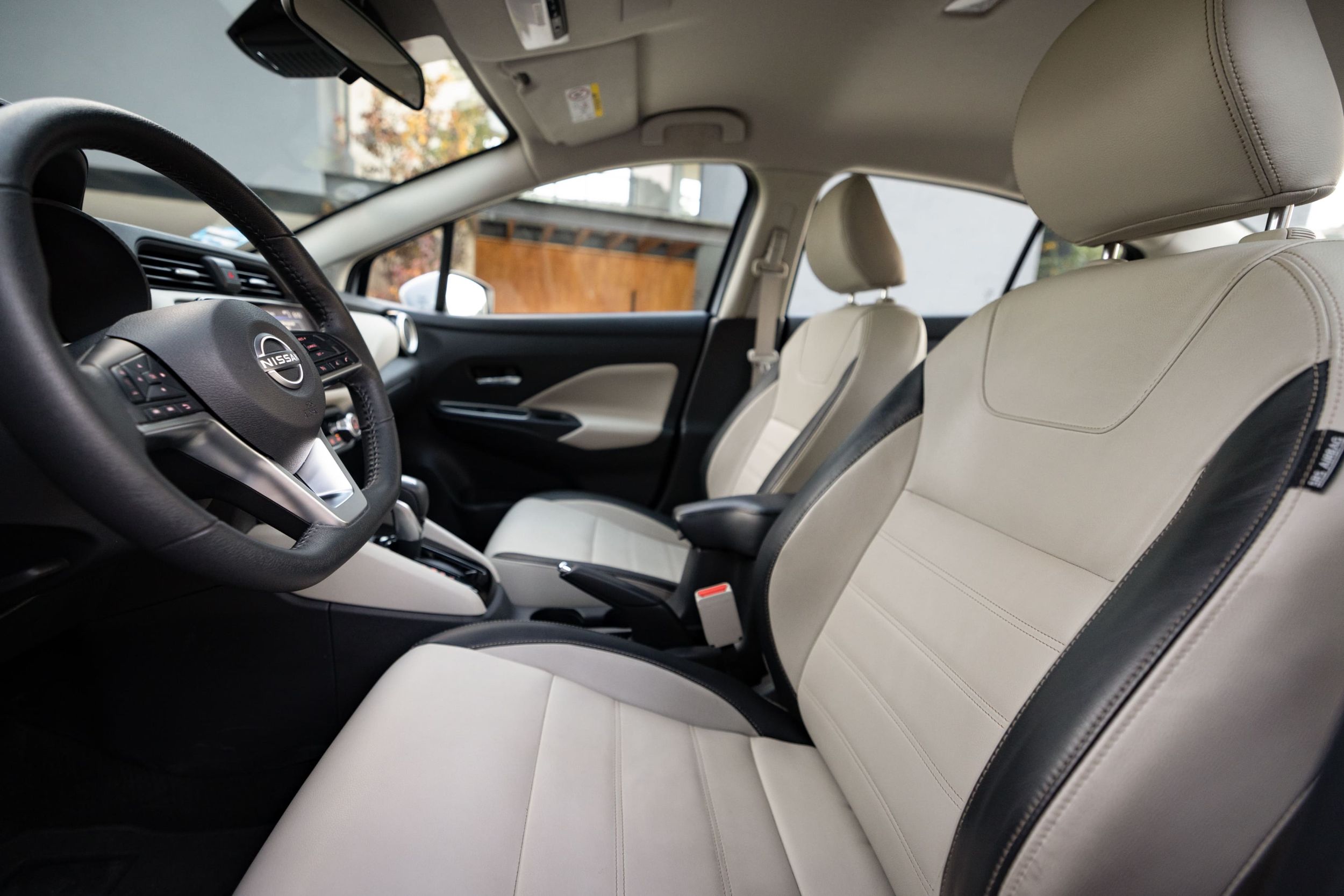
Nissan ended another year as the automaker with the largest market share by volume, with 18% of the total, selling 274,000 units, which translates into solid growth of 7.6% compared to the 2024 result.
General Motors, second in terms of market share with 13% of the total, reported a 3.4% drop in sales of 198,000 units, while Germany's Volkswagen (11.3%) closed the year with a 3% decline in deliveries of 172,000 vehicles, including those of its SEAT, Audi, Porsche, and Bentley brands.
Toyota ended 2025 with a market share of 8.3% and sales of 126,000 vehicles, not including 2,800 units sold by its Lexus division. These volumes represent growth of 3.6% and 4%, respectively.
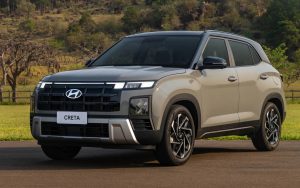
Kia maintained its fifth position with a 7.3% share of sales of 111,000 vehicles, while its subsidiary Hyundai remained in eighth place, with a 3.6% share of deliveries of 54,500 vehicles.
Kia's result was 6.5% higher than the previous year, while Hyundai's gain was 2.2%.
Mazda ended 2025 with solid sales growth of 7.2% on deliveries of 107,000 units. With this volume, the Hiroshima-based automaker claimed a 7% market share.
Stellantis reported a 5.2% increase in sales in December. However, the result for the whole year, with 91,000 vehicles sold, was 2.8% below the volume achieved in 2024. The multinational ranked seventh with a 7% share.
Ford closed the year with a 3.7% decline in December sales, but its total deliveries for 2025 totaled 53,800 units, representing modest growth of 2.8% over the previous year.
In the premium segment, BMW performed best, with sales recording a solid 9.3% rebound in deliveries of nearly 19,000 units, including those of its Mini brand.
Meanwhile, its compatriots Mercedes-Benz and Audi reported sales of 10,600 and 9,200 units, respectively, which translates into double-digit declines of -17.4% and -12.1% in that order.