U.S. Court Upholds Tariffs on Vehicles and Auto Parts
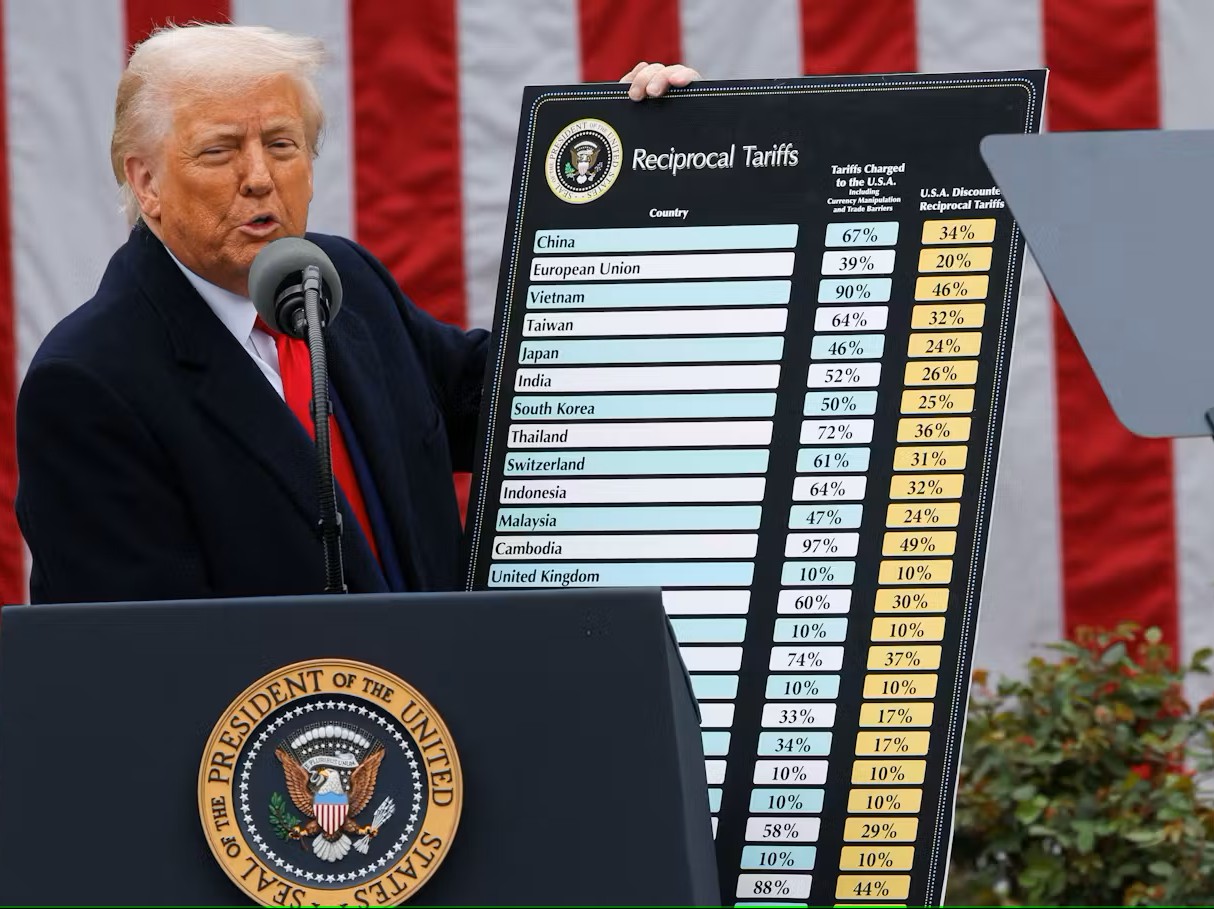
In a divided decision, the U.S. Supreme Court ruled that many of the tariffs imposed by President Donald Trump are illegal, but did not specify whether the federal government must reimburse companies for the tariffs they have paid, or how.
The ruling, backed by six votes in favor (three against), refers only to tariffs issued by Trump under the International Emergency Economic Powers Act of 1977.
These include the “reciprocal” tariffs that the White House imposed on imports, ranging from 10% to 50%, and the import taxes that Trump claimed to have imposed on Canadian, Mexican, and Chinese products in response to fentanyl trafficking.
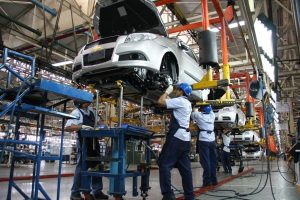
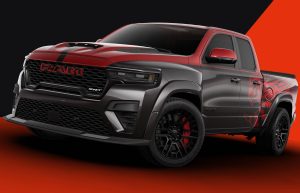
Tariffs issued under other authorities, including tariffs on vehicles, auto parts, steel, aluminum, and copper, remain in effect and are not affected by the ruling.
Even so, the decision will have significant consequences for automakers and their suppliers. A PwC analysis estimates that the sector paid about $8.6 billion through last October in tariffs that are now considered unconstitutional.
During that time, $29 billion has also been collected on industrial and manufactured goods imported under tariffs now considered illegal.
Estimates from Customs and Border Protection (CBP) indicate that the U.S. government has collected $314.4 billion in tariffs, taxes, and fees since the beginning of 2025. Of that amount, nearly half, $133.5 billion, was collected under the emergency powers law.
The ruling does not specify whether the tariffs should be refunded to companies or how they should be disbursed. However, Judge Brett Kavanaugh, one of those who voted against the ruling, said the process is likely to be complicated.
“The Court says nothing today about whether the government should proceed to refund the billions of dollars it has collected from importers, or how,” Kavanaugh wrote, “but that process is likely to be a ‘mess,’ as acknowledged in oral arguments,” he insisted.