Banxico foresees challenging economic outlook for Mexico
CIAL Dun & Bradstreet, a leading provider of data solutions and advanced analytics, presents key insights into the economic dynamics of Mexico and the region.
In February, total bank credit grew by a mere 0.3% in real annual terms—its slowest pace since 2022—extending the slowdown that began last year. Commercial credit fell by 5.6% in real annual terms, with declines of 11.8% in industrial credit and plunges of over 45% in mining and electricity.
In contrast, consumer credit surprised with a 17.9% real annual rebound—its best figure since December 2023. Credit cards stood out with 38.6% growth, and auto loans with 13.6%.
Economic growth remains insufficient: in 2025, GDP grew by a mere 0.6%, averaging 1.5% annually since 2001. Growth of 1.4% is expected for 2026—far below the 3–4% needed to generate the jobs demanded by the labor market.
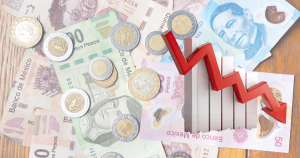
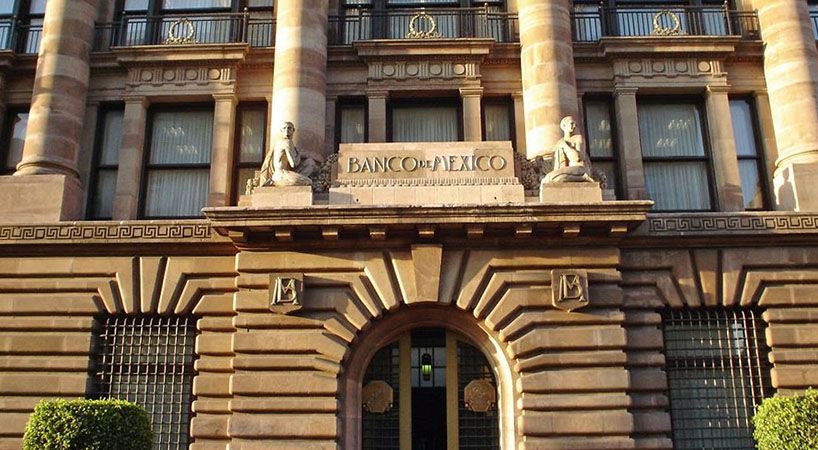
In this context, Banxico cut its benchmark rate to 6.75% in March, despite the rise in inflation.
On the external front, the trade balance surprised in 2025 with a surplus of US$771 million, correcting the US$18.541 billion deficit from the previous year. For 2026, a deficit of $10.278 billion is estimated, while foreign direct investment is projected to reach US$42.589 billion: its highest level in over a decade.
The indicators confirm that Mexico faces a complex economic landscape; although consumption and exports offer some relief, monetary policy decisions amid inflationary pressures reflect the tension between stability and dynamism. The challenge will be to strengthen investment and productivity to prevent the economic lag from deepening in an uncertain global environment.