Mexico and U.S. Strengthen Bilateral Air Transport Agreement
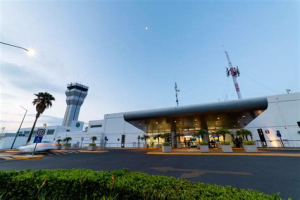
Mexico and the United States have reached a new agreement aimed at strengthening bilateral air transportation amid tensions related to operational restrictions at Mexico City International Airport (AICM). The deal seeks to ensure fairer conditions for airlines from both countries while improving regional air connectivity.
As part of the agreement, the Mexican government reaffirmed its commitment to maintaining a competitive and transparent aviation market, facilitating the flow of passengers and cargo under international standards. Both nations will also establish a bilateral working group to oversee the implementation of the new measures.
One of the key elements of the agreement is the recognition of Felipe Ángeles International Airport (AIFA) as an integral part of the Mexico City metropolitan airport system. Authorities will also move forward with formally incorporating AIFA into the Air Transport Agreement signed between the two countries in 2015.
The agreement follows concerns raised by U.S. authorities regarding slot reductions and operational restrictions at AICM, which affected access for some airlines operating routes between Mexico and the United States. Washington indicated that certain restrictions will remain in place until the agreed reforms are fully implemented.
Airlines including Aeroméxico and Viva Aerobus welcomed the negotiations, emphasizing the importance of maintaining a constructive relationship between both governments to strengthen the aviation industry and expand international connectivity opportunities.
The agreement also comes at a strategic moment for Mexico as the country prepares to co-host the 2026 FIFA World Cup alongside the United States and Canada. In anticipation of increased travel demand, Mexican authorities have already begun gradually expanding operational capacity at AICM to accommodate more passengers and international flights.