Honda Reports First Annual Loss in 70 Years
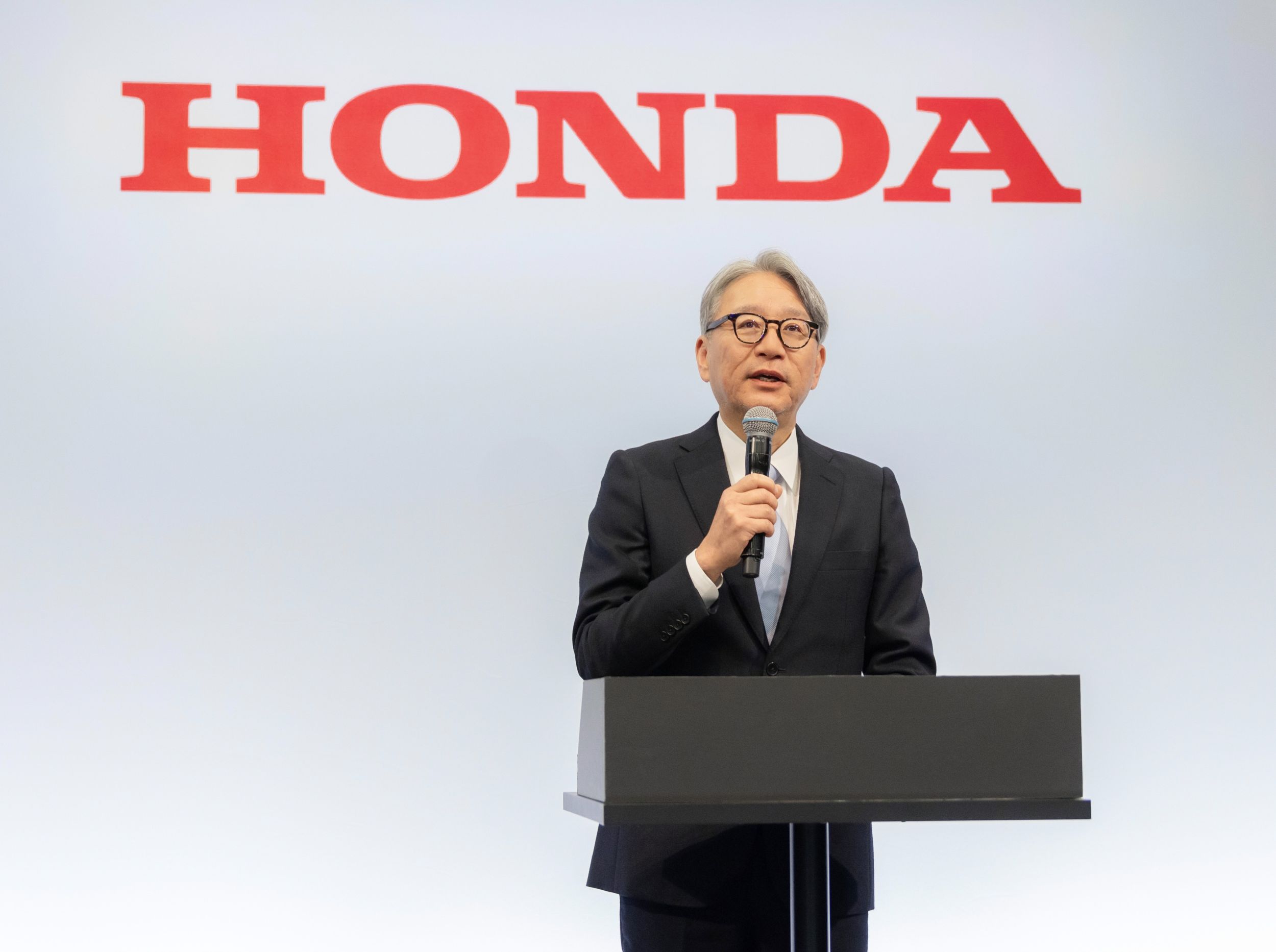
A failed electrification strategy cost Honda a net annual loss of $2.7 billion, marking the Japanese automaker’s first loss since it went public nearly 70 years ago.
This was revealed by CEO Toshihiro Mibe when he announced the performance of Japan’s third-largest automaker for the fiscal year ending March 31, a period during which the company incurred expenses of nearly $9.95 billion for the development of electric vehicles that it ultimately scrapped.
The executive explained that these decisions, combined with tariff payments, resulted in an operating loss of $2.6 billion, but he also noted that the total cost of the shelved projects amounts to approximately $15.8 billion when accounting for expenditures during the current fiscal year.
Mibe emphasized at the conference that if losses related to electrification are excluded, the company maintains highly profitable operations; therefore, he not only expressed confidence that the next fiscal year will return to profitability but also ventured to project that they will achieve a record operating profit of $8.8 billion for the fiscal year ending in March 2029.
To that end, Honda will indefinitely freeze construction of a “mega complex” for manufacturing electric vehicles in Canada, which not only means abandoning the ambitious goal of manufacturing only zero-emission vehicles by 2040, but also that the company will now focus on launching 15 new hybrid models by 2030.
Extending the HR-V's Product Cycle
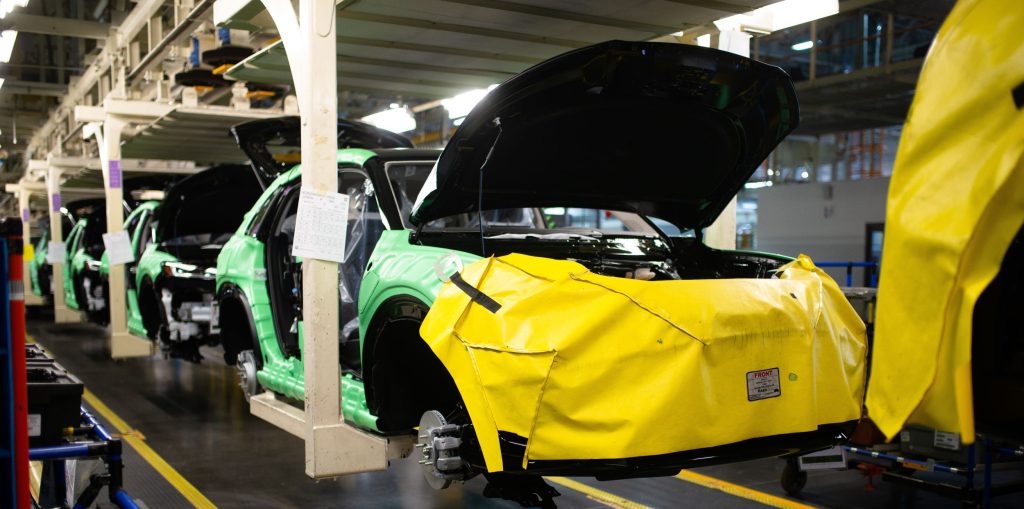
Another way Honda plans to maximize its profitability is by extending the product life cycle of its most popular models, such as the Accord sedan and the HR-V compact SUV, to optimize the performance of established platforms.
According to a report by AutoNews, the company has already notified its suppliers that the next generations of these models, as well as the Odyssey minivan and the Acura MDX, will remain in production until the end of the decade, at best.
The report indicates that the savings from this measure will be allocated to the development of more efficient hybrid powertrains.
In the case of the HR-V, produced in the Bajío region, the current model will remain in production for at least two years longer than planned, with a redesign scheduled for early 2032.