Satellite Technology Is Transforming Mexico’s Agricultural Industry
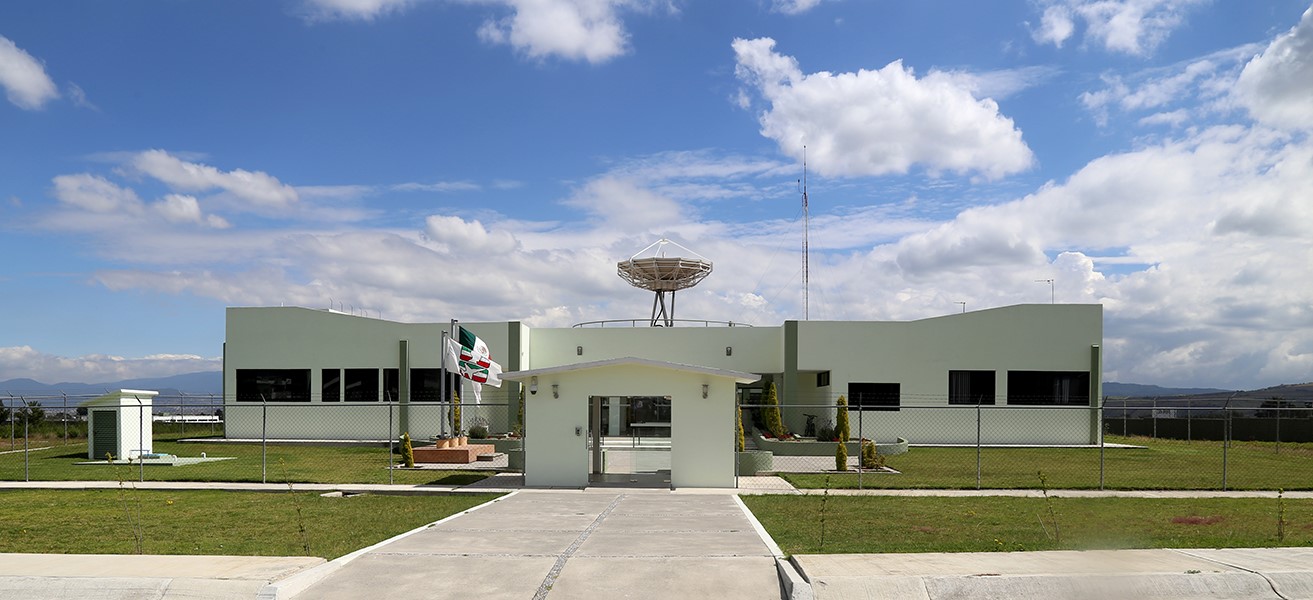
Mexico is increasingly turning to satellite technology to modernize its agricultural sector, improve crop monitoring and strengthen food security across the country.
Through the Estación de Recepción México (ERMEX), operated by the General Directorate of Agri-Food and Fisheries Information (DGSIAP) under the Ministry of Agriculture and Rural Development, the country receives high-resolution satellite data that allows authorities and researchers to monitor agricultural activity in real time.
The system works with SPOT 6 and SPOT 7 satellites, which capture detailed images of Mexican territory and provide information used to analyze crops, monitor weather-related damage and optimize resource management. Officials say the technology has become a key tool for improving agricultural planning in a country with highly diverse climates and terrain.
Satellite monitoring is currently being used to estimate planted areas for crops such as corn, wheat, beans and sorghum, while also supporting updates to aquaculture and coffee production registries. The technology additionally helps authorities assess the impact of droughts, floods and frosts, enabling faster emergency responses and more accurate damage evaluations.
Specialists involved in the project say satellite intelligence is also supporting the expansion of precision agriculture in Mexico. By analyzing soil conditions, vegetation health and water use, producers can make more efficient decisions regarding irrigation, fertilizers and crop management.
Beyond agriculture, ERMEX data is shared with universities and government agencies for projects related to national security, territorial planning, urban development and demographic studies. The initiative reflects Mexico’s broader interest in strengthening technological capabilities tied to geospatial intelligence and satellite infrastructure.
Industry experts believe satellite technology will play an increasingly important role in helping Mexico face climate challenges, improve productivity and modernize rural operations as the country seeks to strengthen long-term food sustainability and agricultural competitiveness.