Aerospace Industry Adapts to New USMCA Rules
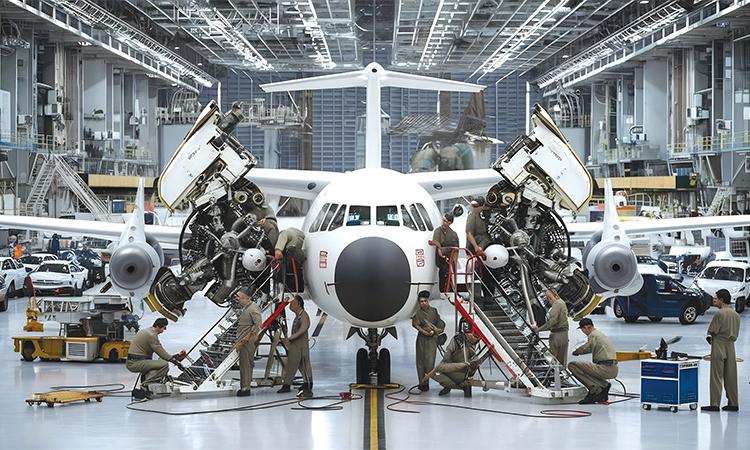
Mexico’s aerospace industry is preparing for a period of adjustment as the review of the United States-Mexico-Canada Agreement (USMCA) approaches and trade policies continue to evolve across North America. Industry leaders believe companies will need to adapt quickly to maintain competitiveness in an increasingly complex business environment.
According to executives from the Mexican Federation of the Aerospace Industry (FEMIA), the sector faces growing pressure from tariffs on steel, aluminum, and related products, which have increased operating costs for manufacturers throughout the region. Industry estimates suggest that these measures are affecting investment decisions, production costs, and overall competitiveness.
The upcoming review of the USMCA is expected to play a crucial role in shaping the future of aerospace manufacturing in North America. While negotiations among the three partner countries continue, companies are closely monitoring potential changes to trade rules, regional integration requirements, and supply-chain regulations.
Rather than focusing on a return to previous trade conditions, industry representatives argue that businesses must learn to operate successfully under the new framework. The emphasis, they say, should be on adapting to changing global trade dynamics, strengthening regional supply chains, and identifying opportunities created by new regulations.
The uncertainty surrounding the trade agreement has already led some companies to adopt a more cautious approach toward expansion plans. Industry forecasts indicate that growth in Mexico’s aerospace sector could slow compared with previous years as manufacturers wait for greater clarity regarding future trade policies and tariff structures.
At the same time, aerospace organizations continue working to strengthen the industry’s long-term capabilities through certification programs, supplier development initiatives, and workforce training. These efforts are aimed at helping Mexican companies meet international standards and expand their participation in global aerospace supply chains.
Despite current challenges, industry leaders remain optimistic about Mexico’s position within the North American aerospace market. They believe that greater regional collaboration, continued investment in advanced manufacturing, and the ability to adapt to evolving trade rules will allow the sector to remain a key contributor to economic growth and industrial development in the years ahead.