Olinia battery: Reason for the price increase
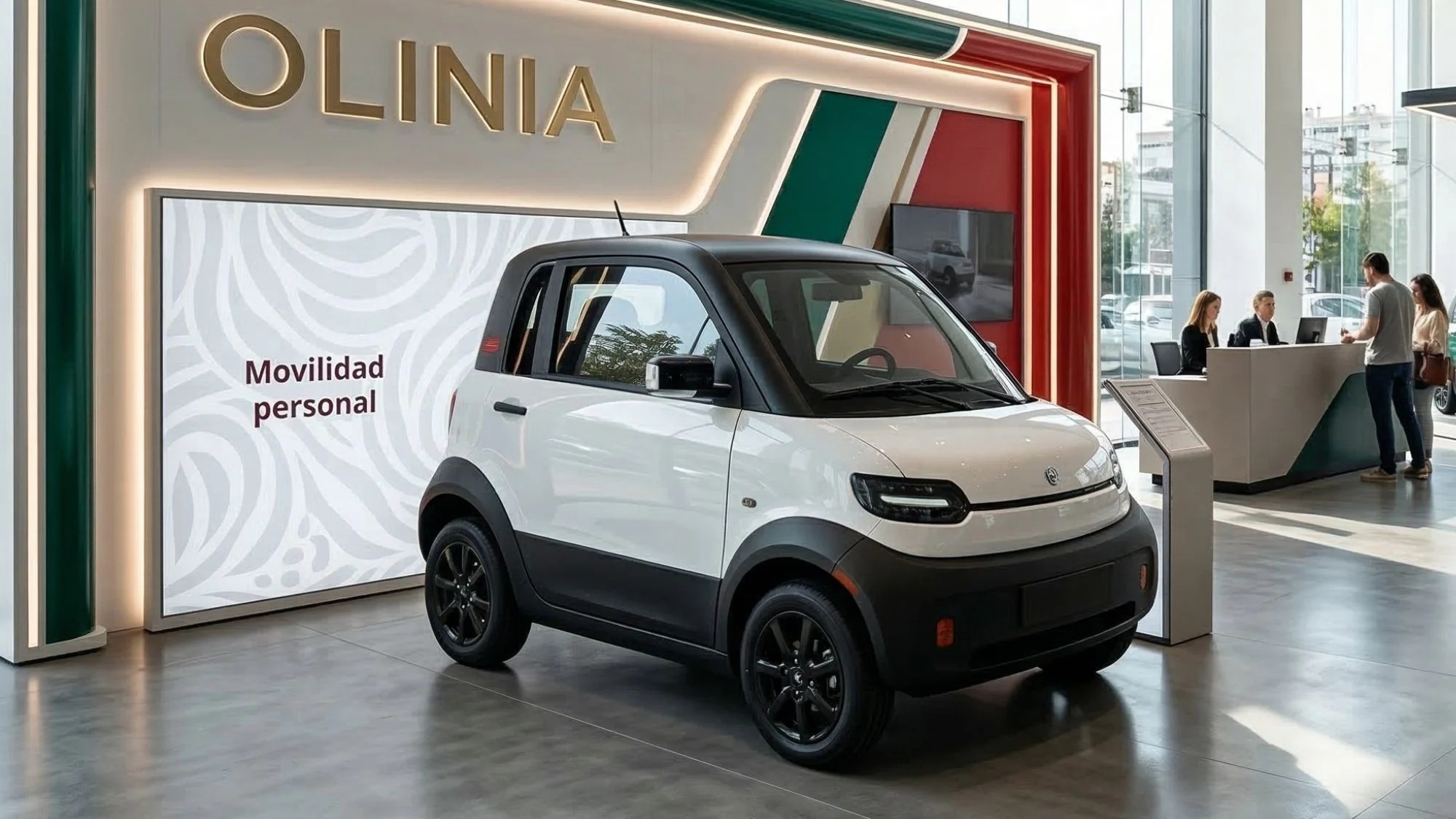
The price increase for the Olinia model brought to light a reality about electric vehicles: much of their value depends on the battery, since it is the most complex and expensive component to manufacture in this type of car, to the extent that it directly influences the final price.
During the most recent presentation on the progress of the Olinia project, its leaders noted that the Mexican electric vehicle is now projected to cost around US$8,600, a figure higher than the US$5,000 mentioned during the initiative’s early stages.
Roberto Capuano Tripp, the project coordinator, explained that the battery accounts for a significant portion of the vehicle’s cost.
“When you break down the cost, the battery accounts for about 40% of a vehicle’s total cost, so it’s very important that we have that technology and manufacturing capability in-house,” he said.
One of the main reasons is the raw materials used to manufacture the cells: lithium, cobalt, nickel, and manganese form part of the technological foundation of many modern batteries, and their prices are subject to the volatility of international markets.
Added to this is the complexity of the manufacturing process and the specialized electronic components used, which drive up the final cost of the product.