DHL reports US$40.8 billion in FDI; nearshoring as a challenge
Mexico reached a historic high of US$40.8 billion in Foreign Direct Investment in 2025. The manufacturing sector accounted for more than one-third of these investment flows, particularly in industries such as automotive, auto parts, electronics, and transportation equipment—driven by the relocation of companies seeking to bring their production closer to the US market.
Currently, the challenge lies not only in attracting new investment but also in operating consistently in increasingly demanding environments; consequently, one of the main areas of pressure is the relationship between material supply and production. In complex operations, any misalignment between the two directly affects productivity, planning, financial efficiency, and the ability to meet consumer demand for goods.
To respond to this environment, companies are adopting more integrated models. Among these, the Inbound to Manufacturing (I2M) approach is gaining prominence as a way to link raw material procurement and production under a single operational framework. In practical terms, I2M ensures that materials arrive at the plant based on what actually needs to be produced, in the correct order, rather than on estimates or last-minute reactions.
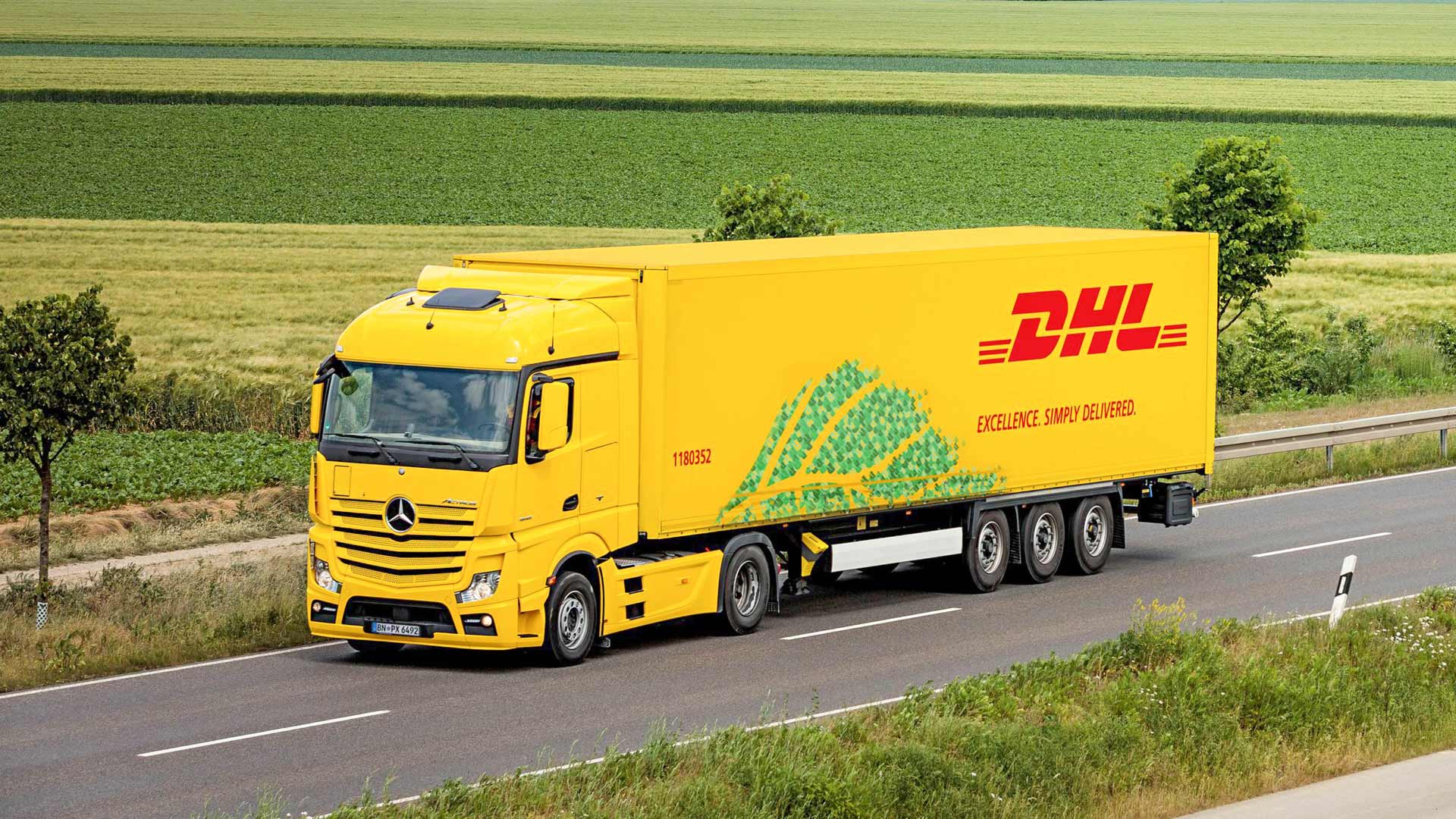
DHL Supply Chain has developed capabilities aimed at implementing I2M in industrial settings, integrating suppliers, transportation, and plant operations under a single framework. This includes inventory management aligned with production demand, real-time visibility of materials, and more robust operational coordination to keep pace with increasingly demanding production schedules.