Companies consider long-term electricity costs
Electrical infrastructure has become a concern for large organizations in recent years; more and more of these companies are seeking to determine how much it will cost to keep their operations up and running in the coming years, when their equipment will need to be upgraded, and how easy it will be to expand their capacity without replacing existing infrastructure.
This is in response to a reality that extends beyond any single industry; in its World Energy Outlook 2025, the International Energy Agency (IEA) warns that the global economy will increasingly depend on reliable and resilient electrical systems.
The report documents that in 2023 alone, extreme weather events caused power outages that affected more than 210 million households worldwide, and notes that nearly 85% of these events were related to damage to transmission and distribution grids. The agency concludes that strengthening the electrical infrastructure will require more flexible systems, capable of maintaining supply stability and responding more quickly to critical events.
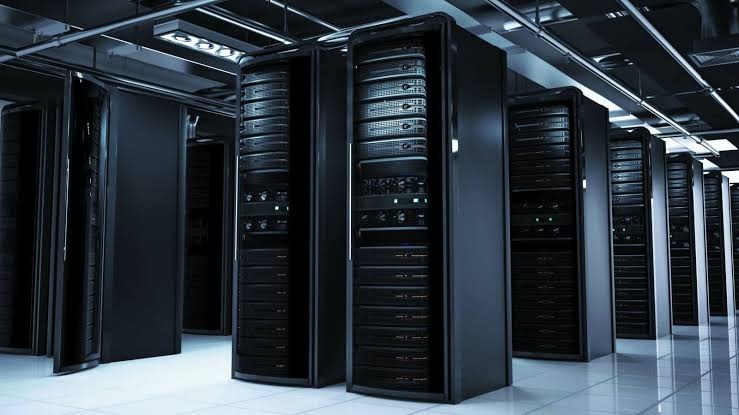
In light of these developments, Eaton has added Uninterruptible Power Supplies (UPS) to its portfolio in Mexico, designed for distributed applications and mission-critical infrastructure.
This shift affects industries where power availability directly influences operational continuity, such as manufacturing, logistics, hospitals, telecommunications, corporate buildings, and data centers.