Delivery apps aim to be the primary shopping channel
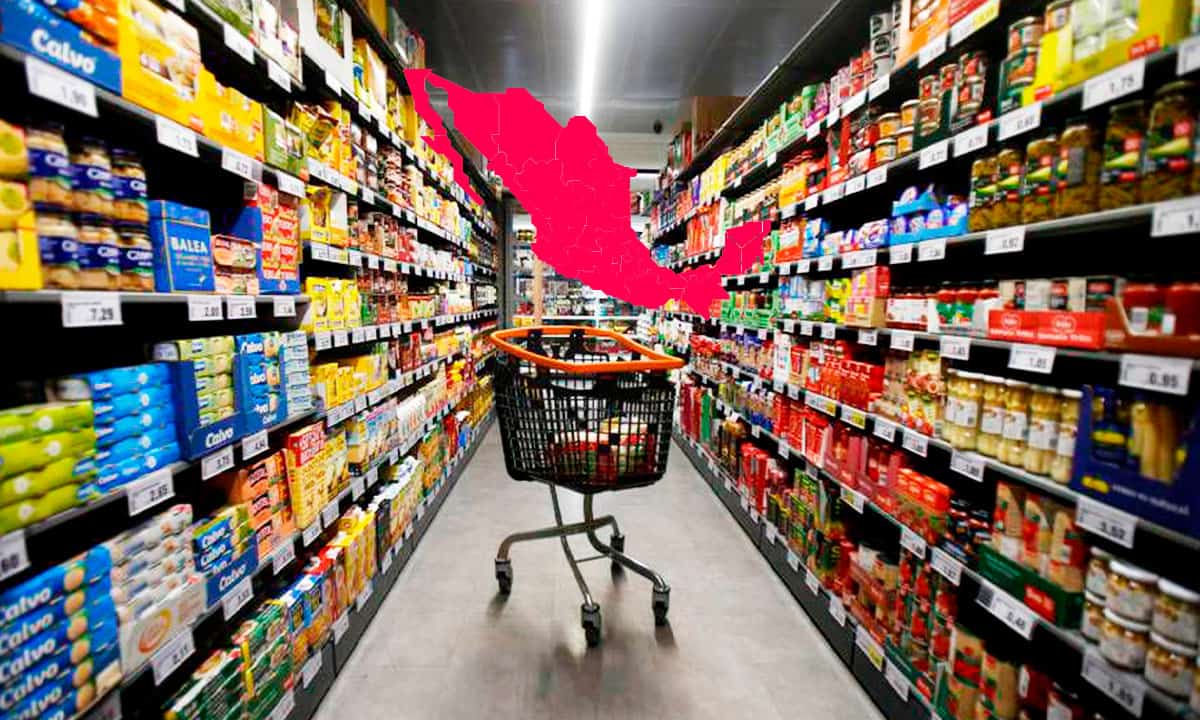
After establishing themselves as major players in the food delivery sector, delivery platforms are now looking to expand into the retail market.
This strategy is a response to the growth of quick commerce: an e-commerce model focused on ultra-fast deliveries that aims to turn the cell phone into a convenience store. According to the consulting firm IMARC, this market will grow from US$871 million in 2025 to US$4.2 billion in 2034, driven by consumers who prioritize immediacy over scheduled shopping.
DiDi Shop is accelerating its strategy to position itself precisely in this replenishment segment: small, urgent purchases that were historically handled with a visit to an Oxxo, a pharmacy, or the corner store. Currently, the most active categories on the platform are supermarkets, convenience stores, and pharmacies, although it also offers fruits, vegetables, meats, personal hygiene products, electronics, and sexual health items.
The key difference from traditional e-commerce is delivery time. While online purchases are typically planned days in advance and involve higher-value shopping carts, the platform’s model is designed to meet immediate needs in less than an hour.
This initiative is part of DiDi’s strategy to consolidate its “super app” model, which integrates mobility, food delivery, financial services, and e-commerce into a single platform. In Mexico, this ecosystem has more than 30 million active users per month, while DiDi Shop connects more than 13,000 businesses daily—ranging from family-owned stores to supermarket chains and convenience stores.