Chinese Cars Are Becoming a Familiar Sight in the Southern U.S.
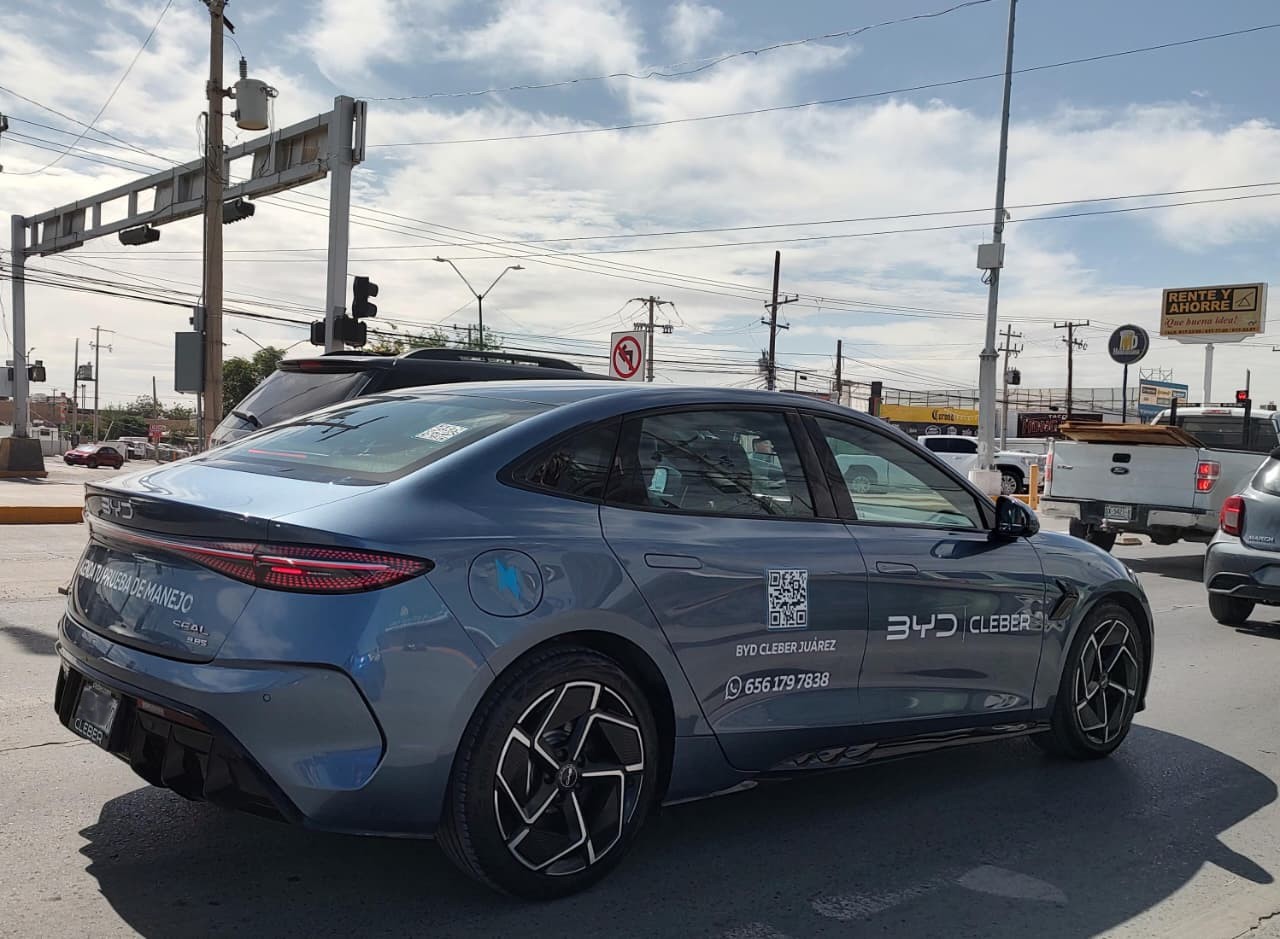
Although the consensus among experts is that there won’t be any Chinese car dealerships in the United States in the near future, some of these brands have already arrived on U.S. soil, and residents are already crossing the border to check them out.
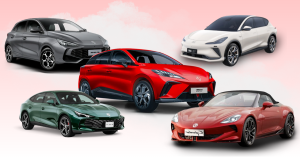
This presence in northern Mexico is not new; it dates back at least to mid-2021, with the arrival of MG Motor, a British brand acquired and relaunched by SAIC Motor, a state-owned automaker based in Shanghai.
Five years later, the company now ranks eighth in sales volume and holds a 3.7% market share, surpassing competitors such as Hyundai, Ford, and Honda.
However, it wasn’t until the arrival of BYD, just over a year ago, that the most curious American consumers turned their attention south of the border to see what was happening.
And it’s no surprise: the Shenzhen-based company is the standard-bearer of China’s push to keep its automotive production overcapacity in operation while expanding its global presence and influence.
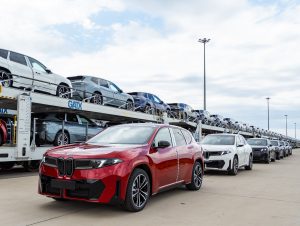
Backed by strong vertical integration, technology on par with the world’s leading automakers, and the prestige of having surpassed Tesla as the world’s largest producer and seller of electric vehicles, the Chinese brand is taking every market by storm wherever its massive ship docks—and Mexico is no exception.
Although the company keeps its sales figures in the country private, experts estimate that BYD sold more than 75,000 cars last year—a figure that surpasses that of MG Motor—and thus replaced its compatriot and rival as the eighth-largest car seller in 2025, trailing only traditional brands such as Nissan, General Motors, Volkswagen, Toyota, and Stellantis.
But not all Chinese automakers have achieved the same success. HorsePower has documented how some of the dealerships established by dealership groups in Ciudad Juárez have had to try out different brands until one finally takes hold.
After all, there are more than 15 Chinese automakers currently exporting vehicles to Mexico.
In one specific case, the same building previously housed operations for at least two brands before consolidating under the Geely logo—BYD’s biggest rival in China, whose success has led it to become the largest shareholder (currently holding 79%) of the Swedish automaker Volvo.
A BYD sales representative, who asked to remain anonymous because he was not authorized to speak to the press, noted that consumers from El Paso, Texas, and the surrounding area began visiting the showroom immediately after it opened, particularly young people enthusiastic about electric vehicles.
“They’re drawn to the technology and the excellent features, but what surprises them most is the affordable price,” said the executive, who added that he knew from customer feedback that some use their Chinese-made electric vehicles for their daily commute between the two countries.
Although this is a highly subsidized industry, the competitiveness of these automakers in the Mexican market is undeniable—to the point that even traditional companies are importing models manufactured in China to defend their market position.
According to figures from INEGI, one in five cars sold in Mexico last year was of Chinese origin, either imported by a Chinese brand or sold under the brand of a global manufacturer.
Pero esas cifras no cuentan la historia completa. Dado que las automotrices que operan en México no están obligadas a divulgar sus volúmenes de ventas, las estadísticas del INEGI solo reflejan los datos proporcionados voluntariamente por la mayoría de sus participantes.
Guillermo Rosales, presidente ejecutivo de la Asociación Mexicana de Distribuidores de Automotores (AMDA), estima que las ventas totales de marcas chinas, incluyendo BYD y otros productores que no divulgan sus cifras, superaron las 245 mil unidades en 2025.
Esto significa que el volumen real de ventas en el mercado mexicano el año pasado alcanzó un récord estimado de 1.63 millones de vehículos ligeros, incluyendo tanto importados como de producción nacional.
Para los primeros cinco meses de 2026, Rosales calcula que las ventas de marcas chinas superaron ligeramente las 112 mil 500 unidades, de las cuales aproximadamente una cuarta parte correspondió a BYD, mientras que el total de entregas de autos en México terminó ligeramente por debajo de las 669 mil unidades, un nuevo récord para el período enero-mayo.
Los Retos
La creciente popularidad de estas marcas no garantiza que los concesionarios tengan un modelo de negocio infalible.
Muchos expertos coinciden en que una parte significativa de estos competidores no podrá mantener su presencia en el mercado mexicano debido a las dificultades que enfrenta cualquier empresa nueva para consolidar sus operaciones, particularmente en el servicio al cliente.
Uno de los principales obstáculos radica en la política comercial de México, que busca igualar las condiciones con aranceles de hasta el 50% a la importación de vehículos ligeros y autopartes.
Si bien la mayoría de las empresas importaron un volumen considerable de vehículos antes de que entraran en vigor los aranceles estadounidenses, Rosales estima que los primeros ajustes de precios se verán en el segundo semestre del año, a medida que estos inventarios se reemplazan con vehículos y componentes gravados.
El reto de implementar una sólida estructura de posventa ha resultado difícil para estas marcas. Los largos tiempos de espera para las autopartes, entre otros factores, han provocado que los fabricantes chinos tengan los niveles más bajos de fidelización de clientes.
Según el último estudio de J.D. Power sobre la calidad y confiabilidad de los vehículos, solo el 32% de los clientes de estas compañías comprarían otro vehículo de la misma marca.
Aun así, los analistas del sector prevén que los fabricantes de automóviles chinos continúen expandiendo su presencia en México.
Los próximos años probablemente pondrán a prueba si estas marcas pueden ir más allá de los precios competitivos y generar una sólida confianza a largo plazo entre los consumidores mediante redes de concesionarios bien posicionadas, un servicio posventa confiable y una inversión sostenida en el país.