BMW Produces Prototypes of the First Sedan in the “Neue Klasse”
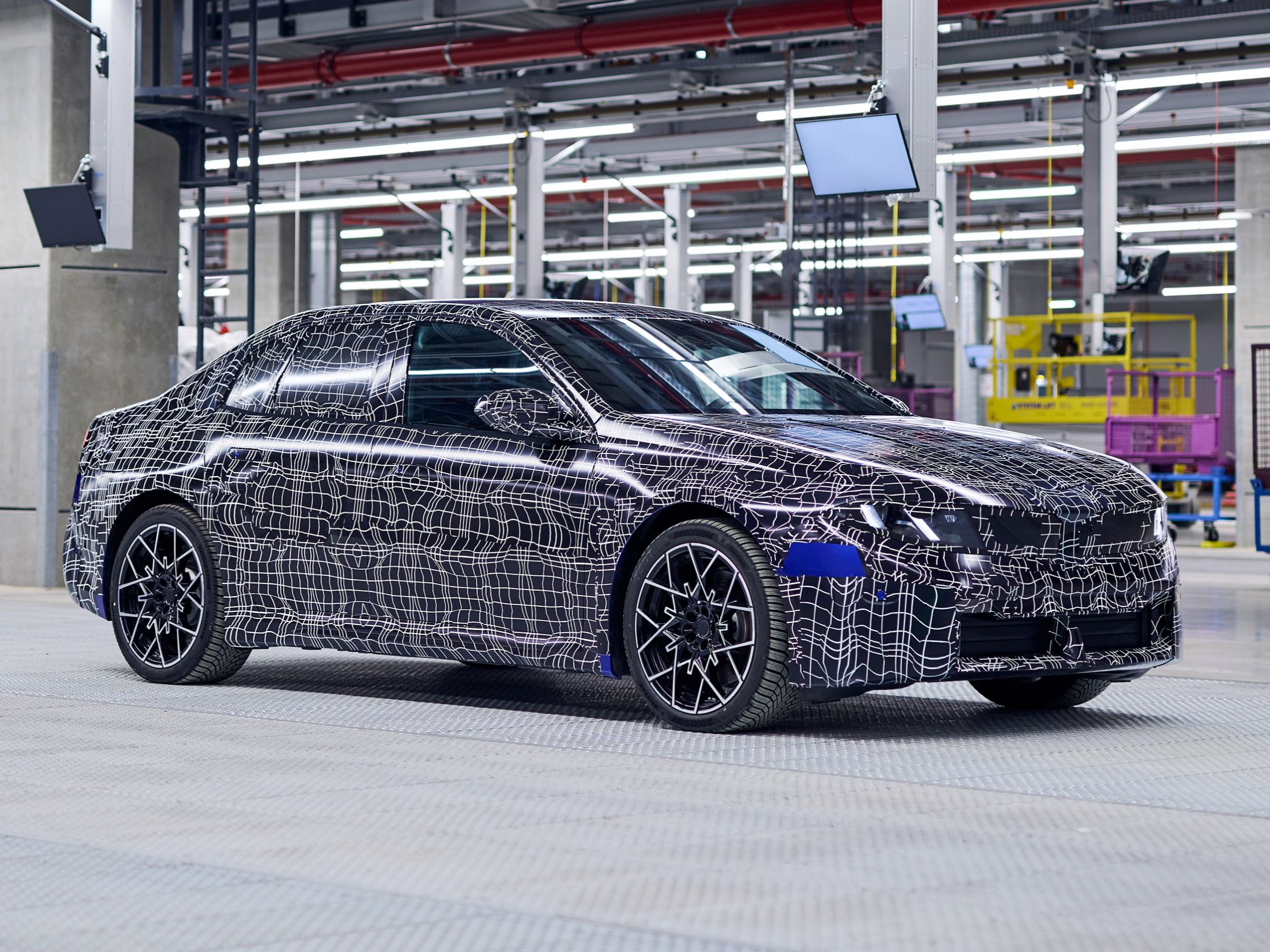
The BMW Group's Munich plant has produced the first near-series test prototypes of the new BMW i3. This marks the start of the final phase of preparation for the start of series production in the second half of 2026.
This model, which belongs to the brand's new generation of electric vehicles, will also be produced at the San Luis Potosí plant starting in the second half of 2027, shortly after the start of production of the iX3 SUV.
“The production of pre-series vehicles is an important milestone for our plant. For the first time, we have built a BMW i3 entirely using state-of-the-art technology and digitally connected processes,” said Peter Weber, head of the BMW Group plant in Munich.
“With production now close to series maturity, our logistics and production processes are running under real conditions across all technologies: in our modernized press shop, the new body shop, the modern paint shop, and the new assembly area, as well as in the innovative logistics structures,” he added.
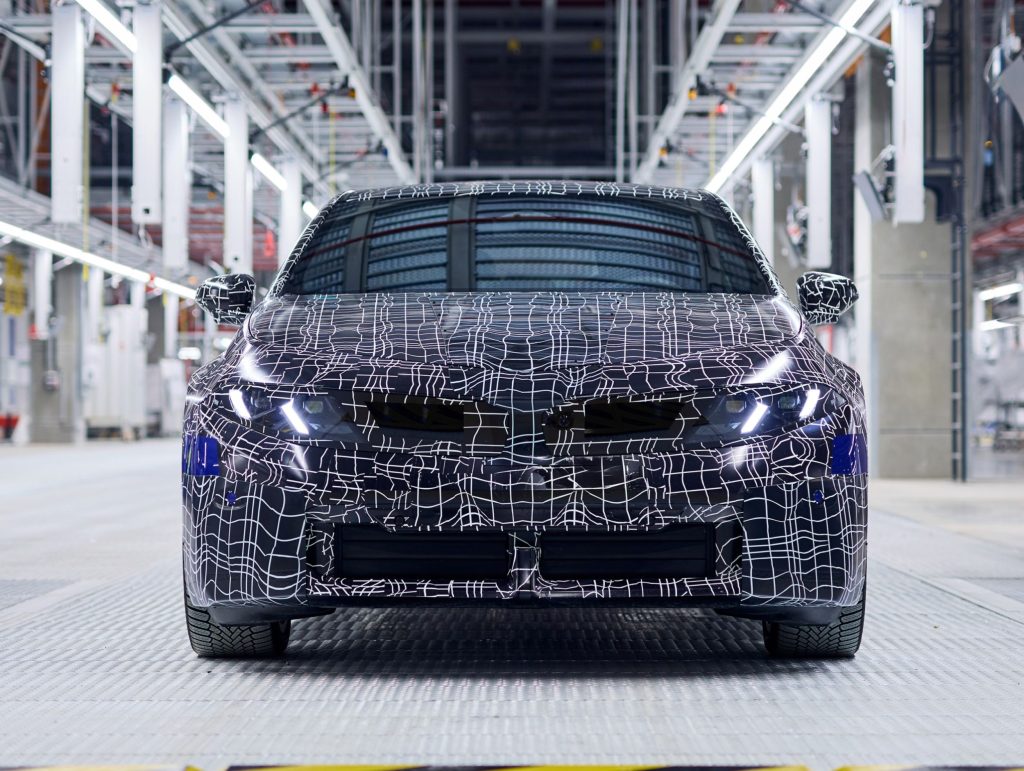
Weber explained that in the coming months, the lessons learned during the acceleration phase will be applied to further refine the series production processes and ensure a smooth launch.
The integration of new models begins with pre-series vehicles, a crucial step in preparing for future series production.
What makes the Munich plant unique is that, until now, a team from the facility has worked together with a team from the nearby pilot plant to assemble the first vehicles at the Research and Innovation Center.
With the completion of the new manufacturing and logistics areas at the Munich plant, vehicles now go through all stages of production on site. This means that all logistics processes, manufacturing equipment, and operations must now run smoothly.
Although quantities are still small, all parts are supplied via designated material flows and processed on the production line.
Every part and every stage of production is subjected to rigorous analysis. Particular attention is paid to the approval inspection of state-of-the-art equipment and tools and their digital integration with existing systems.
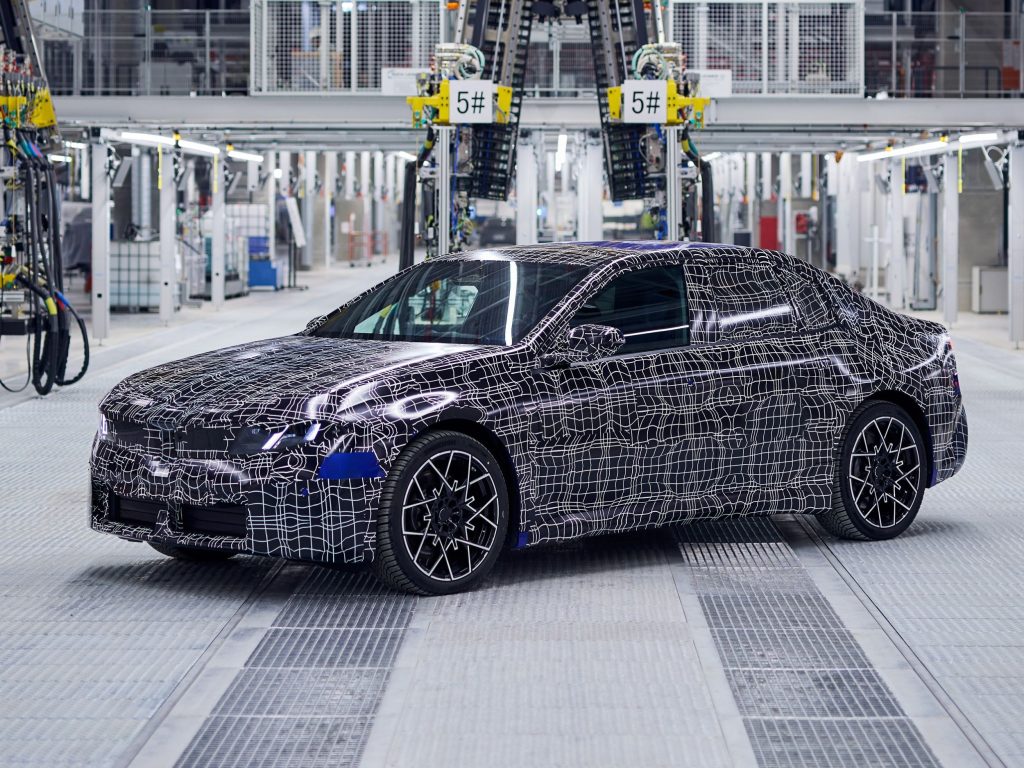
System testing for the future vehicle model helps identify further potential for optimization. In the coming months, efforts will focus on refining processes based on the knowledge gained.
Virtual Training
During this phase, employees will also receive intensive training: until recently, this was done using augmented reality, and now it is being done in the new facilities and on the new machinery.
Close collaboration between all areas of production will ensure smooth integration of operations for a smooth and successful series launch.