CAMIMEX adopts mining techniques to reduce emissions
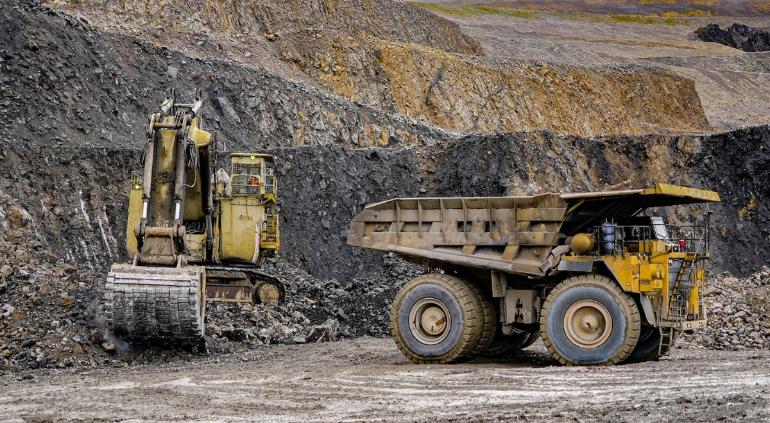
In Mexico, mining accounts for 4.7% of the Gross Domestic Product (GDP) and generates more than 416,000 direct jobs, in addition to approximately 2.5 million indirect jobs throughout its value chain. However, its economic importance contrasts with its environmental footprint: the sector emits 6.1 million metric tons of carbon dioxide (CO2) annually, equivalent to about 0.8% of national emissions.
In response to this challenge, the Mexican Chamber of Mining (CAMIMEX) has set sustainability goals focused on decarbonization, efficient water management, and workplace safety. Among its objectives are increasing the use of clean energy to 44% and reducing the carbon footprint per metric ton produced by 40% by 2030.
Pedro Rivero, president of CAMIMEX, noted in the 2025 Sustainability Report that the industry has strengthened its environmental commitment through increased investments in sustainability and the adoption of technologies that optimize water and energy use, reduce emissions, and help prevent, mitigate, offset, and restore the impacts resulting from its operations.
To advance these objectives, CAMIMEX has promoted the adoption of international standards for responsible mining, including “Towards Sustainable Mining” (TSM), developed by the Mining Association of Canada (MAC). Implemented since 2004, this model has strengthened management practices in the areas of safety, health, governance, and environmental performance. Its mandatory application for Canadian companies has also encouraged CAMIMEX to promote its adoption among other mining companies operating in Mexico.
Although the Mining Association of Canada has not specified how many Mexican companies currently comply with the standard, it reported that more than 100 representatives from various companies have participated in training programs and have shown interest in adopting it.