Car Sales Reach Record Levels in Mexico in April
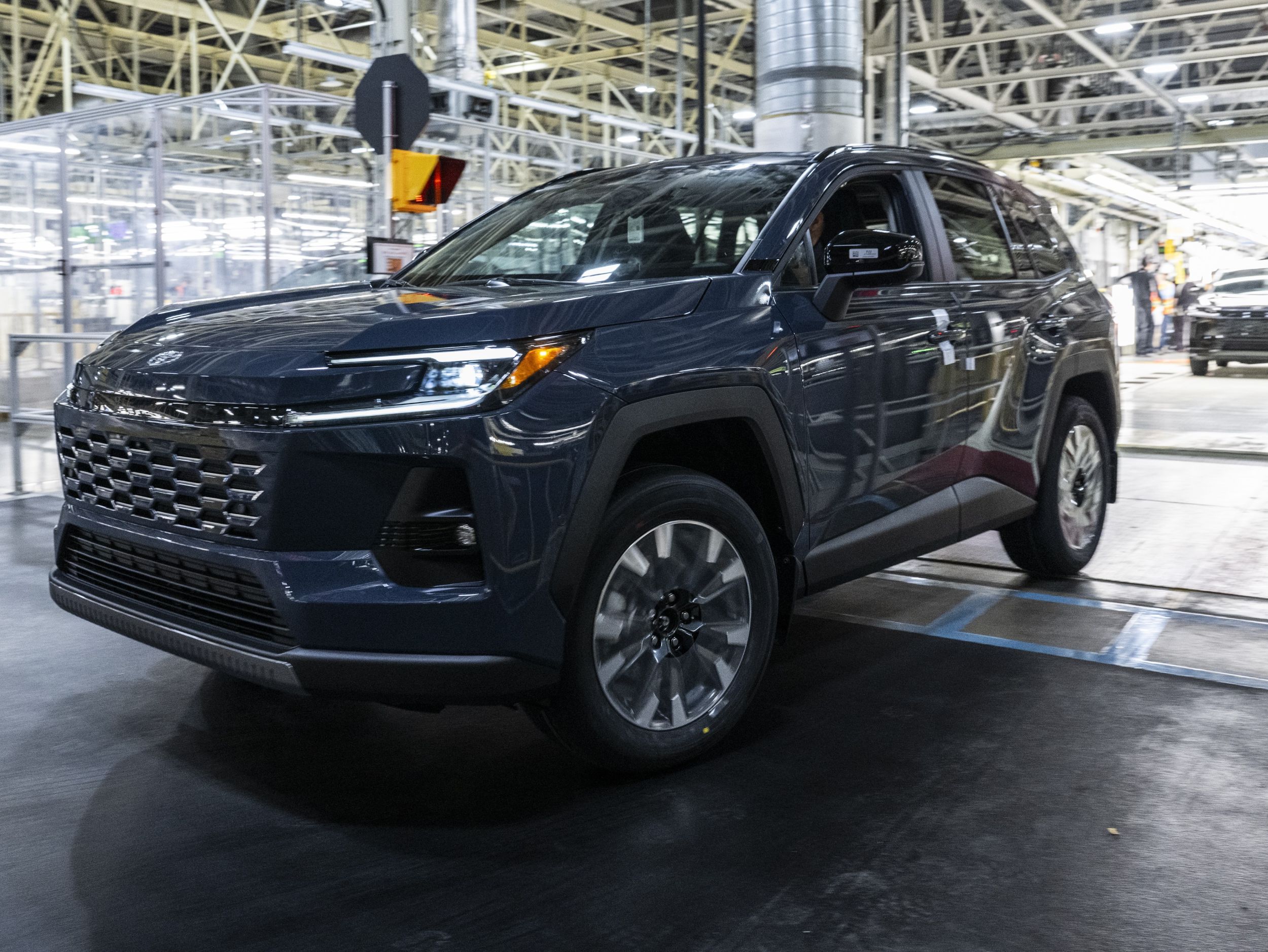
The streak of strong sales that the Mexican automotive market recorded during the first quarter continued through April, resulting in 118,859 light vehicles sold, according to preliminary data from INEGI.
This figure represents the highest volume for the month of April on record for the agency, surpassing the previous record set in 2016 by 105 units. The result also translates to an 8.6% increase compared to the volume for the fourth month of last year.
This momentum, driven by fierce competition among both dealers and auto finance companies, also led to the country’s dealerships selling more than half a million brand-new vehicles in the first four months of the year for the first time, surpassing the milestone by 512 units.
This volume of 500,512 units exceeds the result for the same period last year by 4.8% and the previous all-time high—set in the first four months of 2017—by 1.4%, or 6,689 units.
According to data released by the brands participating in the Administrative Registry of the Light Vehicle Automotive Industry (RAIAVL), it is the Chinese automakers that are reporting exponential growth, demonstrating just how significant these players are in the current market momentum.
One example of this is Geely, which only began reporting its results to INEGI at the end of last year. The company sold 4,000 units last month, a 283% increase compared to the 1,000 vehicles sold a year ago.
Between January and April, its sales exceeded 14,500 units, representing a 275% increase compared to sales during the same period in 2025.
Similarly, although with more modest volumes, Changan reported a 101% increase in sales, with 2,095 units sold in April. The state-owned automaker has delivered 7,345 vehicles so far this year, representing an 80% increase.
However, strong performance is not the norm among Chinese manufacturers. Such is the case with MG Motor, one of the first Chinese automakers to enter the Mexican market, which recorded a 4.4% decline last April with sales of 4,456 vehicles.
Nevertheless, the brand—originally British and now used to market models from SAIC Motor (Shanghai Automotive Industry Corporation)—has accumulated sales of 18,760 vehicles, a volume that exceeds last year’s by 20.6% and gives it a market share of over 3.7%, surpassing that of competitors such as Hyundai, Ford, and Honda.
Among the most established brands in the country, Nissan remains the undisputed leader with a 17.3% market share, having sold more than 86,000 units. These cumulative sales are 2.1% higher than the result from a year ago.
Despite this, it is worth noting that in a historic month, the Japanese automaker posted flat results with the delivery of 19,230 vehicles, just 21 units more than in the fourth month of 2025.
In contrast, several global companies recorded double-digit growth during April. Such is the case with Toyota, which saw an 18.7% increase in sales of 10,713 vehicles.
The company remains in fourth place in terms of market share, with 8.1% of total sales exceeding 40,000 units—a volume 3.8% higher than a year ago.
Stellantis likewise reported a 15.8% increase in the delivery of 7,170 vehicles during April.
The multinational remains in seventh place with a 6.5% share, having accumulated sales exceeding 32,000 units—a volume representing an 18.5% increase compared to the same period in 2025.
Hyundai joined the party with a 13.7% increase in sales of 4,444 cars and trucks. The South Korean automaker has accumulated a volume of 16,664 units, a figure that exceeds last year’s result by 2.4%.
And just as there were double-digit increases, there were also slumps at the same rate. This was the case for Ford, which saw its sales drop by 10.7% in April, delivering 3,770 vehicles.
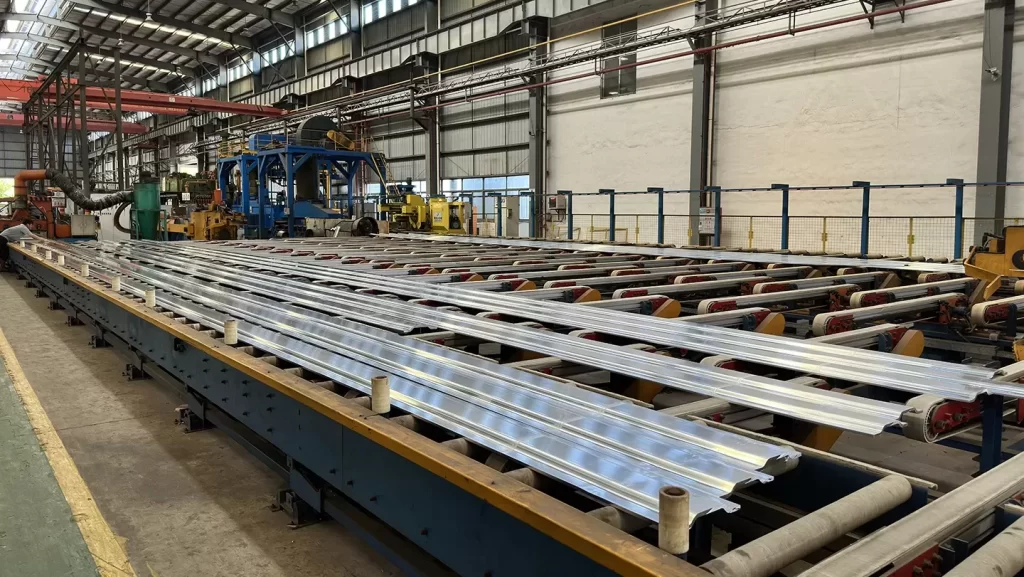
In the U.S. market, low inventories of F-Series pickups resulting from an aluminum shortage cost the Blue Oval a similar drop in sales, but it is unclear to what extent this situation affected results in Mexico.