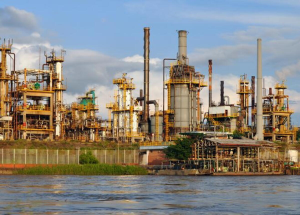
Drop in oil prices will not lead to a drop in gasoline prices
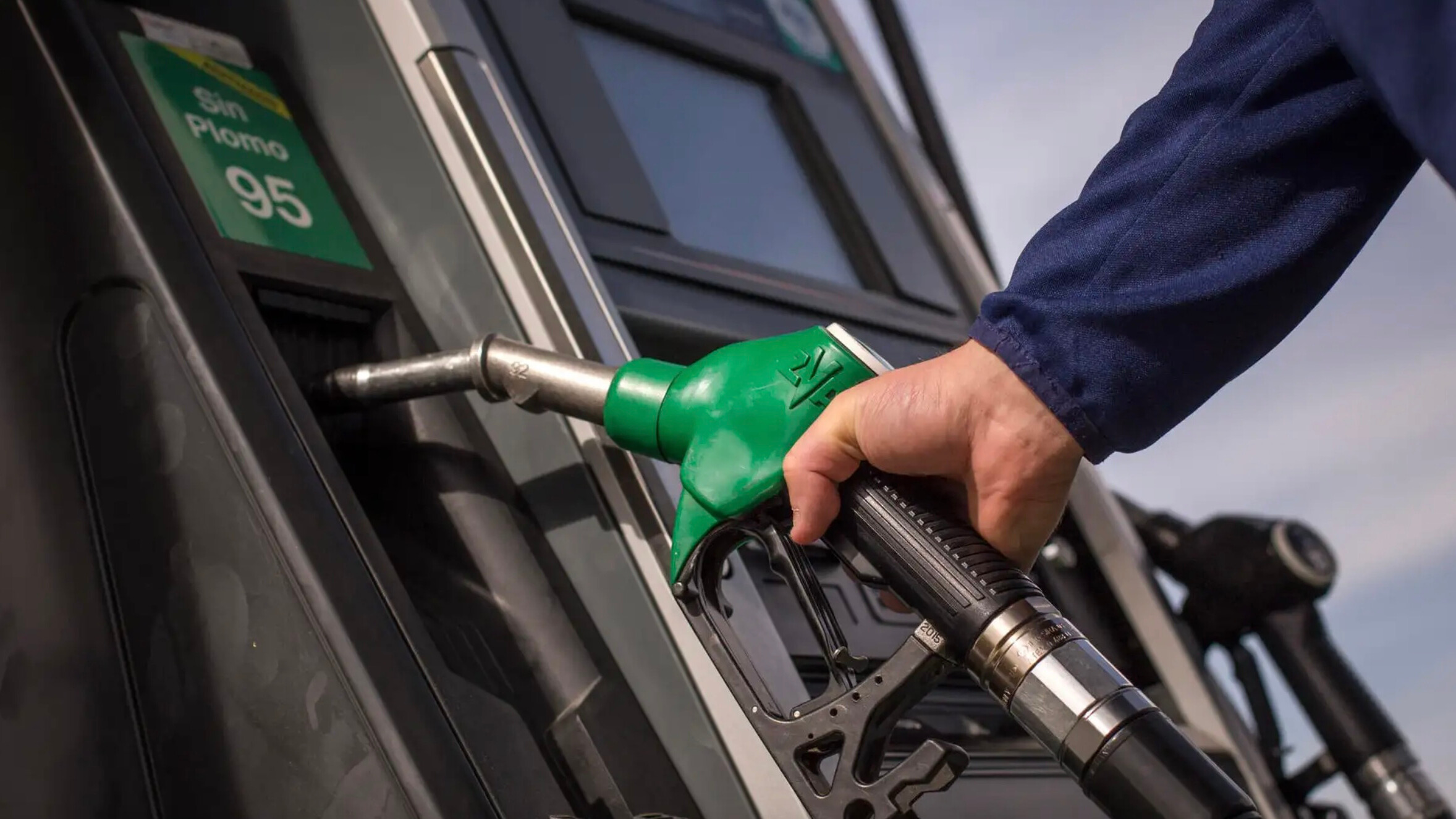
Data from 2022 shows that gasoline prices in Mexico do not automatically mirror oil price shocks. Following Russia’s invasion of Ukraine, the Mexican crude blend averaged US$89.2 per barrel in 2022, compared to US$65.8 in 2021; however, regular gasoline prices did not rise proportionally because the Ministry of Finance absorbed part of the impact through IEPS tax incentives.
On the other hand, prices in June 2026 are as follows: regular gasoline remains virtually flat at US$1.37 per liter, compared to US$1.36 in January; premium gasoline rose from US$1.49 to US$1.64, and diesel went from US$1.52 to US$1.57, even though it has already corrected from its April peak of US$1.64. According to PROFECO, 90% of gas stations currently sell regular gasoline under the price stabilization agreement.
Based on the Ministry of Finance’s sensitivity calculations regarding fluctuations in the price of oil, each additional dollar in the price of oil contributes US$554 million to oil revenues. Thus, the cumulative average would imply a potential gain of US$14 billion compared to the original budget and US$2.3 billion compared to the Pre-Criteria, if the annual average were to close at those levels.
Higher crude oil prices boost oil revenues, but they do not guarantee a net fiscal improvement or an immediate drop in gasoline prices. The Ministry of Finance still projects budget revenues to be US$3.4 billion lower than what was approved for 2026, while consumer prices also depend on the IEPS tax, the exchange rate, logistics, and refining costs.