Evolution of maritime transport for logistics in Mexico
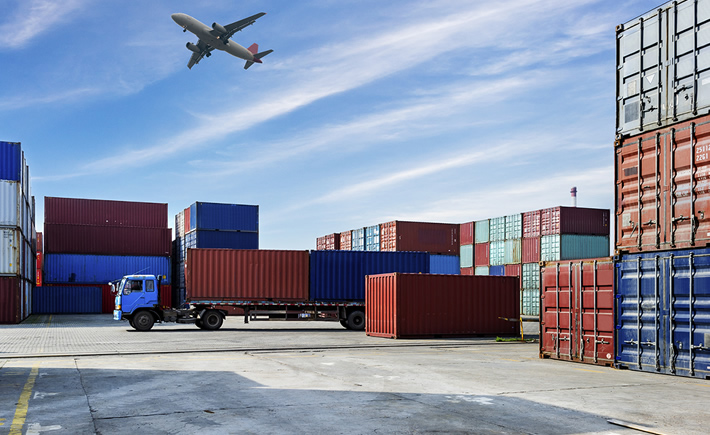
In a context where global logistics is undergoing a period of restructuring, intermodality—the combination of maritime, rail, and road transport—is emerging as one of the primary operational solutions.
Specialized firms such as BF Connect have begun integrating strategic consulting services into their logistics operations, with the aim of designing tailored solutions for more complex supply chains; this model seeks to go beyond mere transportation execution, incorporating route analysis, tax optimization, and multimodal coordination.
An example of this approach has been the transport of steel coils from Asia to the United States using intermodal schemes that integrate Mexican ports and rail networks, allowing for optimized transit times and the avoidance of additional tax costs, under logistics models structured from origin to destination.
The combination of maritime and rail transport offers advantages in reducing emissions, aligning with the environmental demands of global manufacturers and emerging regulations.
At the same time, digitalization and real-time traceability are beginning to set new service standards, with solutions that allow for tracking the location of cargo in increasingly shorter intervals, enhancing visibility and decision-making throughout the entire supply chain.