Ford CEO Regrets Failure of F-150 Lightning
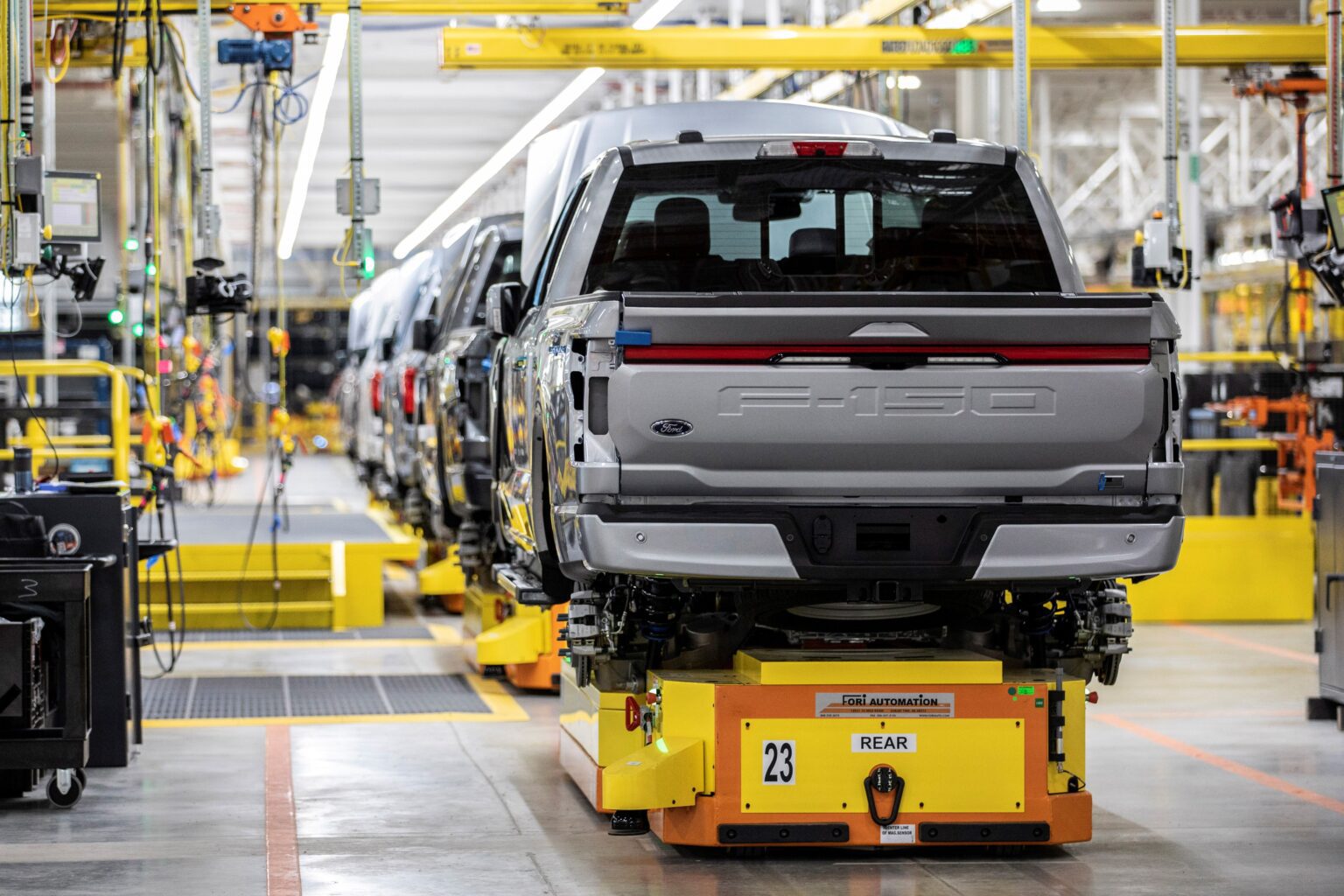
After losing billions of dollars on its electrification strategy, Ford CEO Jim Farley said the company would have taken a completely different approach to developing the F-150 Lightning electric pickup truck, “knowing what it knows now.”
“I would have done it totally differently,” Farley said in an interview with Car and Driver, in response to a specific question about the truck's failure to meet expected demand. “I mean, look, we didn't know what we didn't know,” he said.
The losses incurred by the blue oval led it to completely scrap its original electrification plan, which meant canceling the development not only of a couple of three-row crossovers, but also a van and the successor to the Ford F-150 Lightning pickup truck, as well as the existing version.
The failure occurred despite the fact that the F-150 Lightning was the best-selling electric truck in 2025, with 27,307 units sold, while Tesla sold 20,237 Cybertrucks. The difference between the two vehicles probably lay in profitability: Ford lost money on every electric pickup it sold.
Part of the problem was the price, according to Farley, who added that Covid-19 brought a “false signal” that automakers could sell vehicles priced 30% or 40% higher than before the pandemic.
“I guess it didn't take us long to realize that our bias toward internal combustion engines was so strong that we hadn't designed electric vehicles well,” Farley said.
“We had a Mustang (Mach-E), an E-Transit, a Lightning, and people loved these products. The problem was that they were never going to pay the cost we had invested in them,” he lamented.
The executive detailed another significant moment when Ford hired Doug Field, who previously worked at Apple and Tesla, and dismantled one of Elon Musk's vehicles before his eyes, leaving him “completely stunned.”
"It turns out that the wiring alone was 32 kilograms heavier than that of the Mach-E and 1.6 kilometers longer than that of the Tesla. We didn't know what was going through the minds of Tesla's engineers. But now we understand,“ Farley recalled.
”They had no preconceptions. We did. We would have gone to our supply chain manager and said, ‘Buy another harness.’ Tesla, on the other hand, said, ‘Let's design the vehicle for the smallest, lowest-capacity battery.’ A totally different approach," he said.
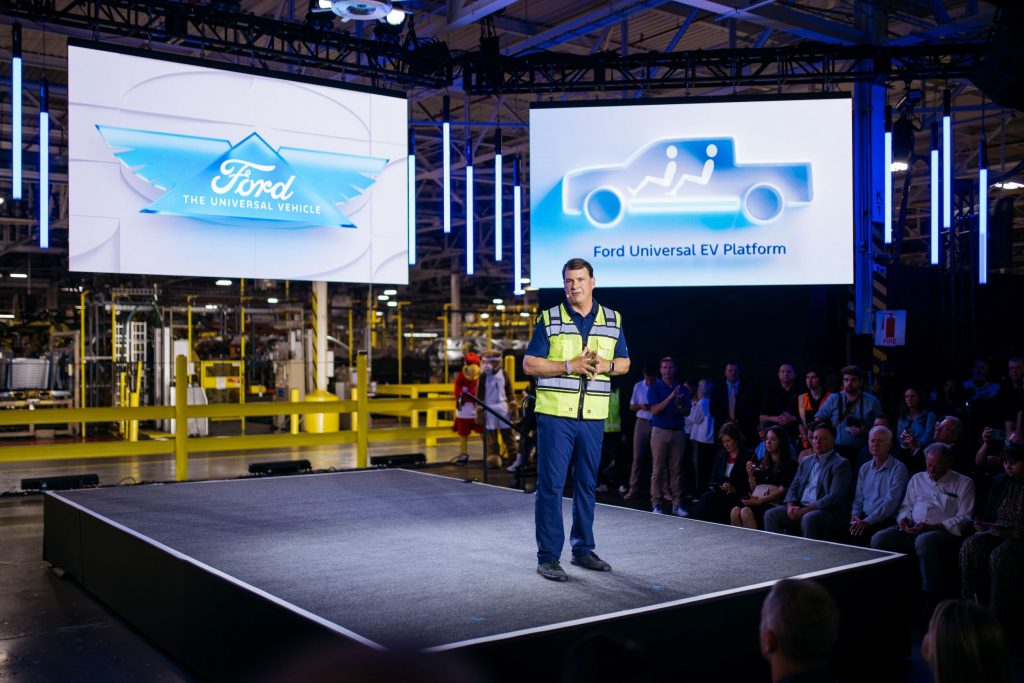
Finally, the executive said the company is focused on its current plan to concentrate on hybrid and gasoline vehicles, but the company's next “T Model moment” could come in 2027 with the new Universal EV platform and the launch of a mid-size electric pickup truck.
With a potential price tag of $30,000, Ford hopes to revolutionize the electric vehicle segment once again, this time with Farley doing things differently.