Logistical challenges in Mexico
In the context of nearshoring, Mexico is positioning itself as a strategic hub for the relocation of supply chains. Despite this, there are less visible “bottlenecks” that similarly limit its potential. One of these is the plastics industry, which directly impacts the supply chain.
Far from being an isolated sector, plastics function as a cross-cutting infrastructure: they are present in packaging, automotive components, construction, electronics, and consumer goods. “It is one of the materials with the greatest interaction across all economic sectors,” it was noted during a webinar.
Globally, around 90% of plastics come from fossil sources, while only 9% are generated from recycling and 1% from biomass, which reinforces the vulnerability of the supply.
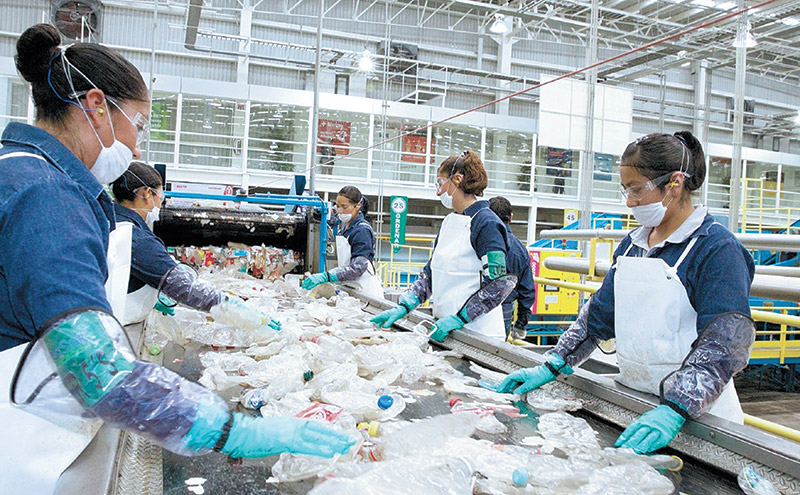
These figures indicate that recycling is another critical issue related to plastic: according to official data, Mexico generates nearly 5 million tons of plastic waste annually, but the capacity to reintroduce it into the production chain is limited, with only about 165 recycling companies.
From a nearshoring perspective, this poses an additional challenge: meeting international demand requires not only installed capacity but also consistency, traceability, and efficiency throughout the entire supply chain.