Mexico and Brazil Set the Economic Direction of Latin America
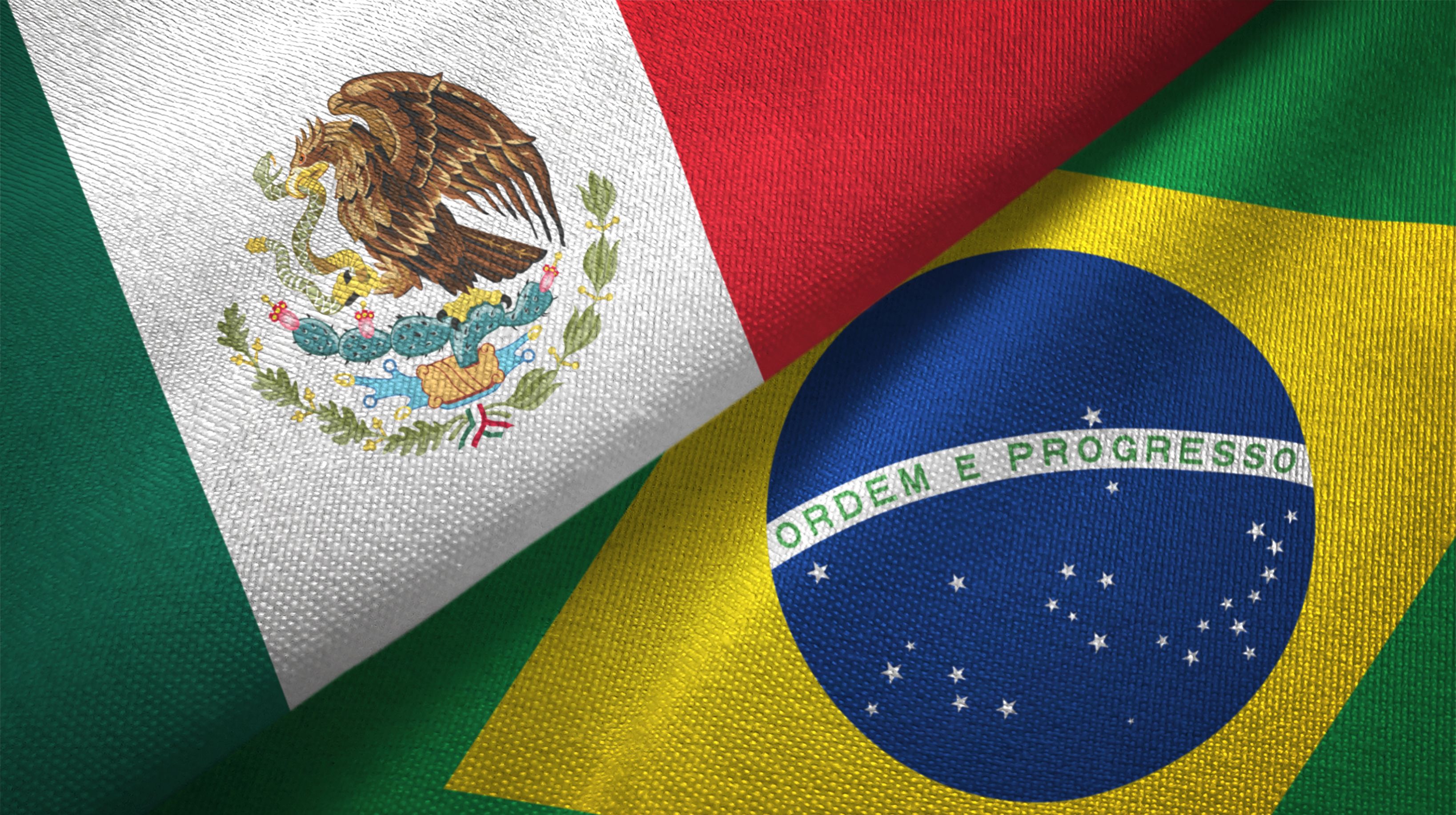
Mexico and Brazil are expected to play a decisive role in shaping long-term economic prospects across Latin America and the Caribbean in 2026, according to the outlook of economists from financial institutions and international organizations. Despite their strategic importance, global markets remain cautious about committing long-term investment to the region.
Most analysts believe that, along with Argentina, these two economies will largely influence the region’s economic trajectory in the coming years, reflecting a notable increase in their perceived relevance compared with earlier assessments. However, confidence in their macroeconomic weight has not translated into stronger enthusiasm for sustained capital inflows.
Investor hesitation is linked to uncertainty over the continuity and depth of structural reforms, as well as ongoing social and political pressures that cloud the business environment. In Mexico’s case, concerns persist about currency strength and its effect on export competitiveness, while Brazil continues to face questions over fiscal discipline and the pace of durable growth.
Economists note that although the region offers opportunities tied to trade, supply-chain relocation, and strong demand for commodities, these advantages alone will not be enough without clear signals of institutional stability, regulatory certainty, and investment-friendly public policy.
In this environment, government actions will be critical to turning economic potential into tangible results. The ability to build consensus, strengthen the rule of law, and provide predictable market conditions could be decisive in attracting long-term capital.
As a result, while Mexico and Brazil are positioned as central drivers of regional performance, the main challenge will be converting their economic influence into lasting market confidence—an essential condition for stronger and more sustainable growth across Latin America.