Mexico faces potential agricultural inflation
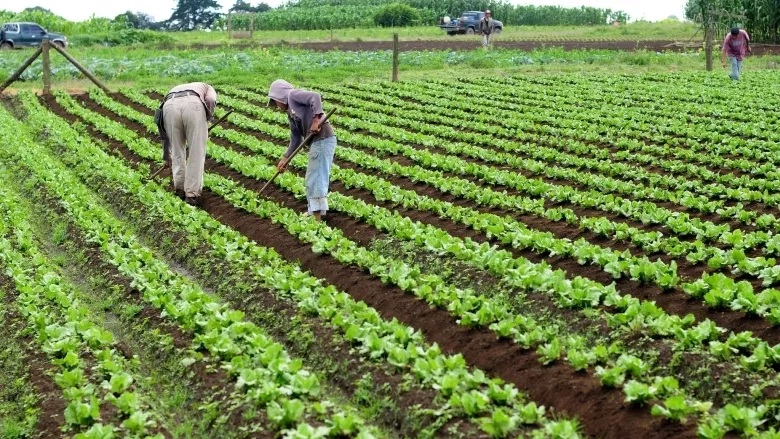
Agricultural inflation eased in May, according to recent data from INEGI, but the “El Niño” weather phenomenon could complicate the outlook.
The median forecast from the Citi Mexico Survey suggests that overall inflation will close the year at 4.2%, above the 3% target set by the Bank of Mexico (Banxico), and the central bank itself notes that one of the upside risks to inflation is related to weather-related impacts.
Among the agricultural products with the greatest impact on the National Consumer Price Index (INPC) are tomatoes, beans, potatoes and other tubers, plantains, corn, onions, avocados, apples, and rice. Given their weight in the basket of goods, sustained increases in their prices would have a greater impact on overall inflation.
“There are several challenges ahead for non-core inflation,” said Paulina Anciola, deputy director of economic analysis at Banamex. “The first is that inflation could rebound due to weather conditions, especially since there is now a lot of talk about the ‘El Niño’ phenomenon, which could turn into a ‘Super Niño,’ and we’re already starting to see some news reports in Europe about heat waves,” she said.
Banamex estimates that in the second half of 2026, there will be a spike in non-core inflation—which includes the agricultural component—and this, in turn, will put pressure on overall inflation. The bank estimates that overall inflation will close the year at 4.3%.
Victor Gomez Ayala, chief economist at Finamex, said in an interview that the effects of “El Super Niño” on inflation will likely be seen around 2027, as the effects typically appear between six and 18 months after the phenomenon occurs.