Mexico’s Auto Production Grows 2.5% in March
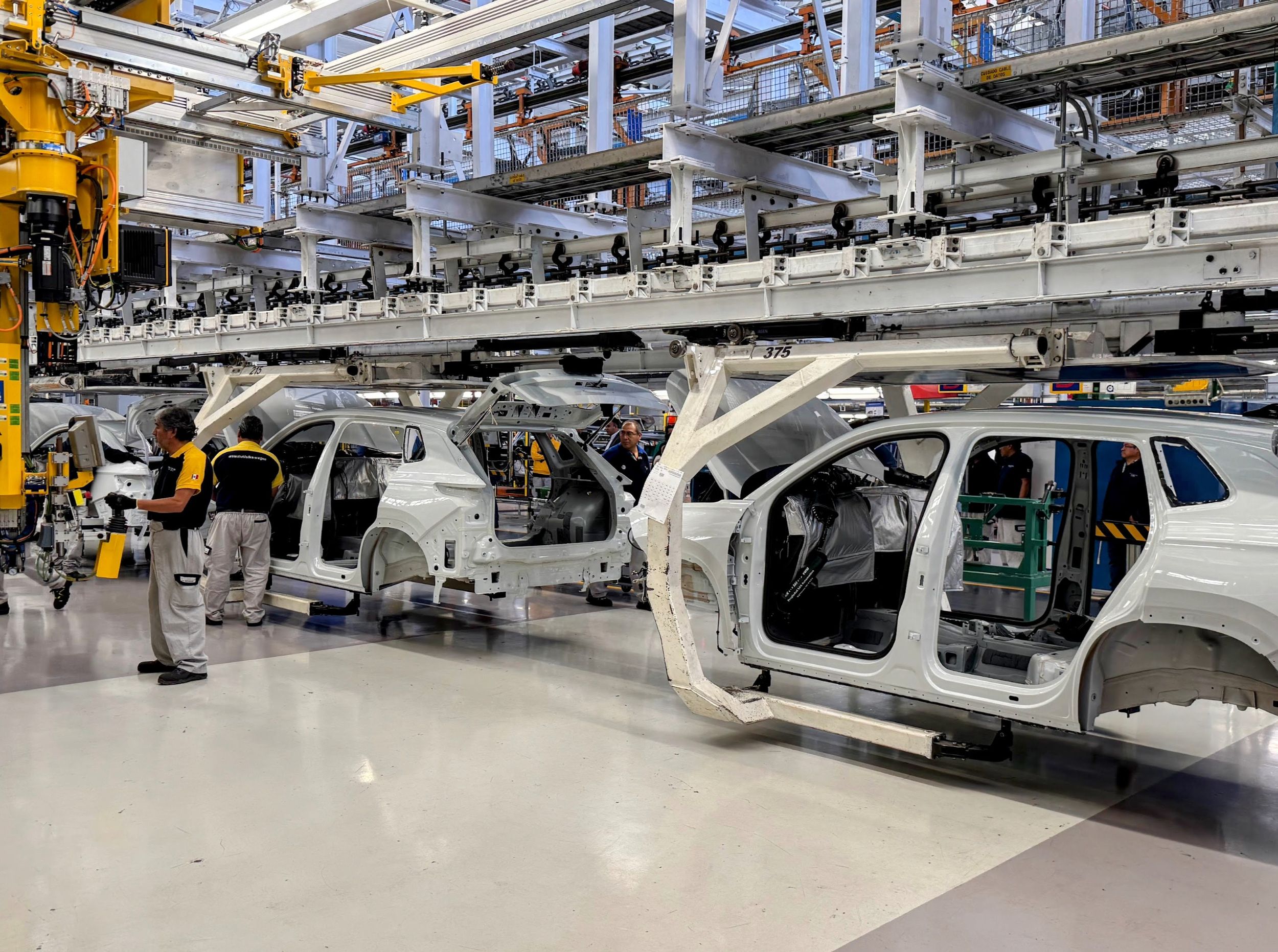
Despite issues with supply chains and the uncertain global environment, the global automotive industry operating in Mexico maintained a steady pace of activity last March, producing 343,520 units. This figure exceeds last year's result by 2.5%, according to data released by INEGI.
Cumulative production in the first three months of the year reached 969,294 light and medium-duty vehicles, representing marginal growth of 0.5%, or a positive difference of less than 5,000 units compared to 2025.
However, this is the second-highest figure for a similar period in the last 10 years, surpassed only by the volume in the first quarter of 2019, when the total reached 999,762 units.
In the third month, exports totaled 310,205 vehicles, while the total for the first quarter was 795,631 units. These figures exceed last year’s results by 4.2% and 2.4%, respectively.
Of the light and medium-duty vehicles exported in the first quarter, 76% were destined for the U.S. market, equivalent to nearly 603,000 units.
Among the top-performing automakers in March was Audi, whose production at its plant in San José Chiapa, Puebla, saw a 71% increase with more than 13,600 units.
In the first quarter, the brand with the four rings accumulated a volume of more than 36,000 Q5 SUVs across its various models, representing a 61% increase compared to the result from a year ago.
Similarly, its parent company, Volkswagen, accelerated production by 50% last month, exceeding 35,000 vehicles assembled at its facility in Cuautlacingo, Puebla.
The surge is largely attributed to a triple-digit increase in the volume of Tiguan SUVs, which nearly reached 16,000 units.
The German automaker produced 99,706 cars and SUVs in the first quarter, a figure that exceeds the result for the same period in 2025 by 54%.
Kia also saw double-digit growth in March, up 17%, with the production of more than 26,500 vehicles, including the first prototypes of the EV3 electric crossover, according to the company’s report to INEGI.
The South Korean brand produced more than 76,000 units between January and March, representing an 11.3% increase compared to the same period a year ago.
Another notable performance in March came from Honda’s plant in the Bajío region, which increased its output by 16%, producing a total of more than 19,000 units across its main brand and the luxury Acura division.
The Japanese firm has accumulated production of more than 53,000 trucks in the first quarter, a figure that exceeds the result for the same period in 2025 by 7.8%.
Stellantis was also among the companies that increased production in March, albeit at a more moderate pace than its rivals, with nearly 39,000 light and medium-duty vehicles, representing a 7.4% increase over the previous year.
The multinational produced over 104,000 units in the first three months of the year, equivalent to a 15.6% increase compared to the same period in 2025.
Double-Digit Declines
Among the automakers that recorded the largest drops in production in March, Mazda stands out, with its volume plummeting by 24% to just over 14,000 cars and crossovers.
This result can be largely attributed to the Japanese automaker’s performance in the U.S. market, where it is experiencing a streak of double-digit sales declines.
Mazda’s cumulative production at the end of the first quarter stood at 39,217 units, a figure reflecting a -31.6% drop compared to last year.
Its compatriot Nissan posted similar results, reporting a volume of 42,000 units in March and a cumulative total of over 124,000 vehicles for the quarter. These results translate to declines of -16.6% and -27.4%, respectively.
U.S. automakers Ford and General Motors both reported production declines in March of -4.5% and -4.7%, with volumes of 34,000 and 76,000 units, respectively.
Ford accumulated a total of 101,000 vehicles produced in the first quarter, representing a marginal decline of -1.7%, while the Detroit-based company produced 219,000 units in the same period, equivalent to an increase of 4.3%.