Trump Announces New 10% Global Tariff After Supreme Court Ruling
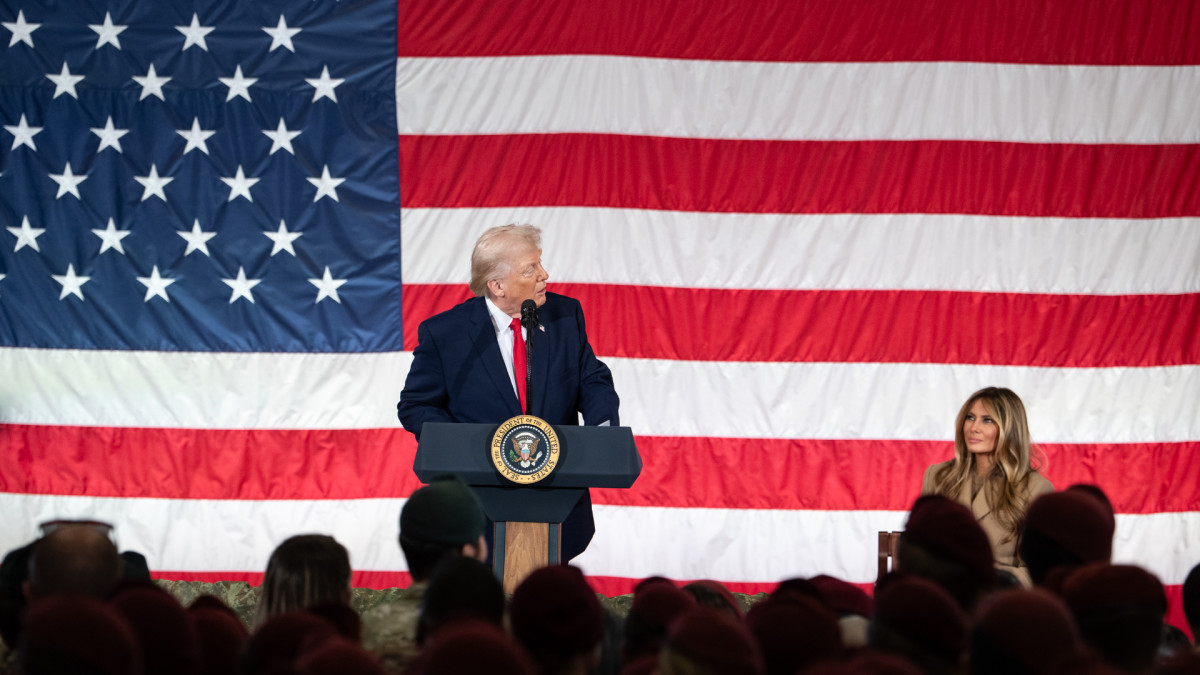
Former President Donald Trump announced a new 10% global tariff on imports following a ruling by the Supreme Court of the United States that invalidated his previous trade measures.
The Court recently determined that Trump’s earlier tariffs, imposed under emergency powers, exceeded presidential authority and violated the constitutional role of United States Congress in regulating trade. The decision forced the administration to dismantle a system that had generated billions of dollars in revenue.
Trump’s Response
In response to the ruling, Trump criticized the Court’s decision and described it as harmful to the country’s economic interests. He argued that strong tariffs are necessary to protect American industries, reduce trade deficits, and pressure foreign governments.
Shortly after the ruling, he announced a new 10% levy on a wide range of imported goods, presenting it as a temporary measure while his administration explores alternative legal pathways to maintain trade restrictions.
Legal Framework
Unlike the previous tariffs, which were justified under emergency legislation, the new measure is expected to rely on different trade laws that grant the executive branch limited authority to act without prior congressional approval. However, legal experts warn that this new tariff could also face court challenges.
The measure is expected to remain in place for several months and may be adjusted depending on economic conditions and political developments.
Economic Impact
The new tariff is likely to affect multiple sectors, including manufacturing, retail, and consumer goods. Importers may face higher costs, which could be passed on to consumers through increased prices.
Business groups have expressed concern about renewed uncertainty in trade policy, while some domestic producers support the move as a way to strengthen local industry.
Outlook
Trump’s decision reflects his continued commitment to a protectionist trade agenda despite judicial setbacks. As legal and political debates continue, the future of U.S. trade policy remains uncertain, with potential implications for global markets and international relations.