U.S. Auto Market Halts Downward Trend
The U.S. auto market showed signs of recovery last May, following a three-month downward trend, largely due to an increase in fleet vehicle sales, according to the latest data.
Preliminary estimates from GlobalData indicate that 1.48 million units were sold in the fifth month of the year, representing a marginal increase of 0.6% compared to May 2025.
This volume resulted from a 0.2% increase in retail sales and a 2.5% growth in fleet sales. According to the analysis firm’s measurements, sales for the first five months of 2026 reflect a decline of -5% compared to the same period last year.
Although the increase in May is minimal, the result exceeded the expectations of experts who believed it would be difficult to surpass last year’s volume, when tariffs that had just gone into effect prompted consumers to seek out the latest models exempt from the tax.
S&P Global Mobility had projected that May sales would reach 1.44 million vehicles, which, according to the firm, would have translated into a -1.3% decline.
Among the automakers that still report their sales figures on a monthly basis, Mazda stands out, having broken a nine-month streak of declines with a 35% rebound, delivering more than 39,000 units in May.
Although this is the best monthly volume since July of last year, the Hiroshima-based brand has seen a cumulative decline of -6.9% in its results for the first five months of the year, totaling 164,667 vehicles.
The Japanese automaker recorded significant sales increases for several of its models, notably a 107% rise for the CX-50 midsize SUV and a 68% increase for the Mazda3.
Deliveries of the compact car, in both its hatchback and sedan versions, totaled 4,121 units in May, the highest figure for this month since 2021.
However, recent reports in the trade press indicate that Mazda has stopped sourcing this model from Mexico and now both variants are imported from Japan, due to the lower U.S. tariff rate on light vehicles from that country.
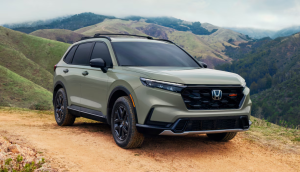
Another Japanese automaker that reported strong results was Honda, with a 9.9% increase in May driven by the delivery of nearly 149,000 units.
Its cumulative volume from January to May slightly exceeds 623,000 vehicles, a figure slightly lower (-0.2%) than last year’s.
Hyundai recorded modest growth of 3.4% by selling more than 94,000 units, including those of its Genesis brand, while its subsidiary Kia saw a 1.9% increase with the delivery of 80,502 vehicles.
Cumulative sales for both South Korean brands this year total 764,796 vehicles, a figure that surpasses Honda’s and is less than 60,000 units behind Ford’s current volume.
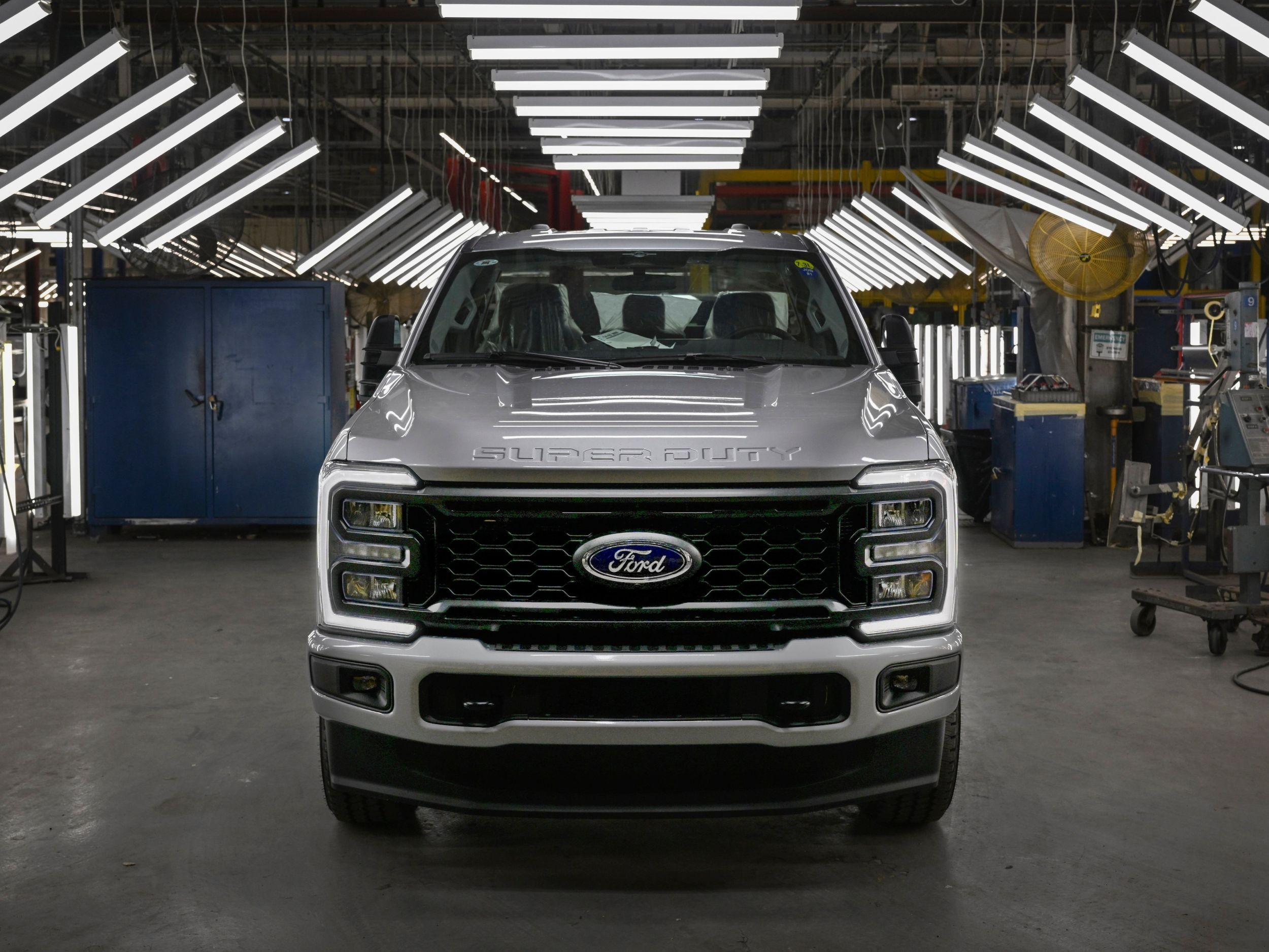
The Blue Oval brand is facing a difficult year largely due to aluminum supply issues for the production of its popular F-Series pickups, which has significantly impacted its performance this year.
The Dearborn, Michigan-based automaker reported a double-digit decline of -13.7%, selling 189,645 units in May, while sales volume for the first five months reached 822,263 vehicles—a decrease of -11.2% compared to the same period last year.
If this trend continues, South Korean automakers combined could end the year with a larger market share than Ford.
Stable Trend
The consensus among analysts is that, while the U.S. market remains generally solid, the high average price of vehicles, the high cost of gasoline, and low consumer confidence are increasingly influencing the decision to purchase a new vehicle.
However, there is another segment of the population with greater purchasing power, which is benefiting from record performance in financial markets and tax breaks that recently took effect, which will keep inventory moving.
S&P Global Mobility projects that volume will reach 15.8 million units in 2026, an estimated decrease of -3% from the 16.38 million units in 2025.
“Automotive sales remain stable and robust despite geopolitical instability and a shortage of affordable vehicles,” said Chris Hopson, head of light vehicle sales forecasting for North America at the consulting firm.
According to Hopson, the pace of sales over the past three months has remained relatively steady, driven by a slight shift toward more fuel-efficient vehicles, particularly hybrid electric vehicles (HEVs), as gasoline prices remain high.
“We remain on the lookout for any clearer signs of a potential decline in consumer spending, but, at least for now, new vehicle sales levels remain stable,” Hopson concluded.