U.S. Auto Market Posts Its Third Consecutive Decline in April

The downward trend in the U.S. auto market continued in April for the third consecutive month, with sales estimated to have fallen by 6.7% to 1.37 million units, according to estimates from GlobalData.
S&P Global, however, put the volume for the fourth month of the year at 1.4 million new light vehicles, which, according to its own records, translates to a decline of -4.5%.
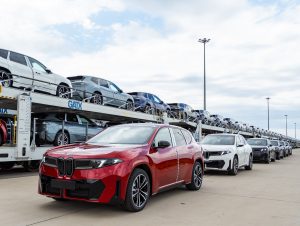
One factor contributing to the result was the unusual sales surge recorded a year ago, following the implementation of tariffs on imported vehicles, although the limited supply of affordable options is also cited by analysts as a major cause.
Sales in the world’s second-largest automotive market began to slow down late last year, once the last tariff-free imported models in inventory were sold out and tax incentives for electric vehicle sales expired.
Among the automakers that still report their sales on a monthly basis, all recorded negative results, but it was Japan’s Mazda that showed the sharpest decline, with a 17% drop in deliveries of just over 31,000 vehicles.
The Hiroshima-based company has accumulated sales of 125,601 units so far this year, representing a 15% drop compared to the first four months of 2025.
Another company with double-digit negative results was Ford Motor Company, which recorded its fourth consecutive month of decline in April with a drop of -15%, selling 178,000 vehicles.
From January to April, its cumulative sales totaled just under 633,000 units, representing a decline of -10.4%.
The Blue Oval has been seriously affected by low inventories of its lucrative F-Series pickups, as the aluminum shortage has prevented it from normalizing production volume—a situation its executives estimate will persist into the second half of the year.
Toyota followed the trend, albeit with a more moderate decline, reporting a 4.6% drop in sales and a volume of 222,000 units. The Japanese automaker sold 792,000 vehicles in the first four months, a marginal 1.4% decrease compared to last year.
The company managed to maintain consumer interest—despite high gasoline prices—with a wide range of electrified vehicles, which accounted for 55.8% of its total sales last month, a significant increase compared to the 47.9% recorded in April 2025.
South Korea’s Kia recorded a decline of -2.8%, while its affiliate Hyundai saw a decline of -1.5%, with delivery volumes of 72,703 and 86,513 units, respectively.
It is worth noting that combined, the two automakers have accumulated sales of around 590,000 units so far this year, a figure representing 1.9% growth and leaving them less than 50,000 vehicles short of catching up to Ford.
Finally, Honda reported flat results with sales of 137,000 vehicles. The Japanese automaker has seen a year-to-date sales decline of 3.1%, with 474,000 units delivered.
Headwinds
The consensus among analysts is that affordability issues will persist in the U.S. automotive market, while the conflict in Iran will further dampen consumer sentiment.
According to Edmunds estimates, during the last quarter, the amount financed for a brand-new vehicle reached a new all-time high of $43,899, while the average monthly payment also hit a record of $773.
The same firm estimates that the percentage of consumers who secured financing with monthly payments exceeding $1,000 was 20%, nearly the same as the 20.3% recorded in the last quarter of last year, but above the 17.7% reported in the January-March period of 2025.