U.S. Supreme Court Strikes Down Trump’s Global Tariffs
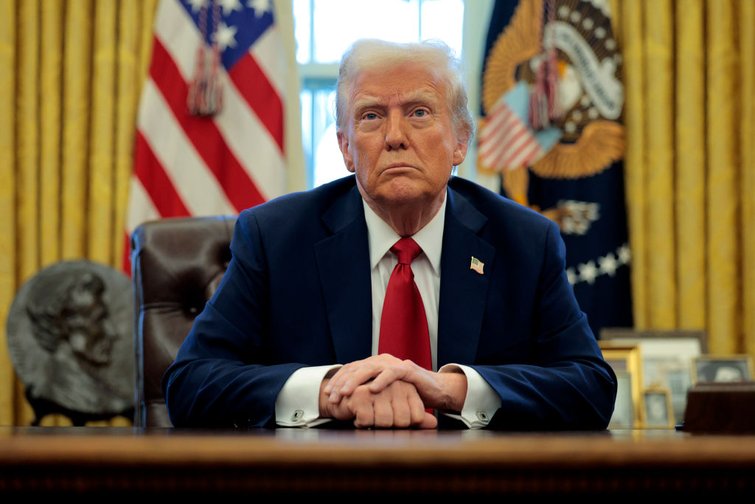
The Supreme Court of the United States has ruled that the global tariffs imposed by former President Donald Trump were unlawful, concluding that they exceeded the legal authority granted to the executive branch.
In a 6–3 decision issued in February 2026, the Court determined that the administration improperly relied on emergency powers to justify broad import duties. The justices found that such measures fall under the constitutional authority of Congress, not the president.
Judicial Reasoning
Chief Justice John Roberts, writing for the majority, emphasized that emergency economic laws were not designed to support sweeping, long-term trade policies. According to the ruling, using these statutes to impose global tariffs undermines the balance of power between the executive and legislative branches.
The dissenting opinion was joined by Justices Clarence Thomas, Samuel Alito, and Brett Kavanaugh, who argued that the president should retain broad discretion in matters of national economic security.
Economic and Legal Impact
The annulled tariffs had generated tens of billions of dollars in revenue and affected a wide range of imported goods. With the ruling, many companies may now seek refunds for duties paid in recent years, potentially leading to major financial claims against the federal government.
Legal experts say the decision reinforces congressional oversight in trade policy and limits future administrations from unilaterally imposing similar measures without legislative approval.
Global Repercussions
The ruling is expected to ease tensions in international trade and provide greater certainty for exporters, manufacturers, and investors. Several countries had previously criticized the tariffs as protectionist and disruptive to global supply chains.
Overall, the decision marks a significant moment in U.S. trade policy, reaffirming the role of Congress and reshaping the legal boundaries of presidential authority in economic matters.