Volkswagen Plans Up to 100,000 Layoffs Worldwide
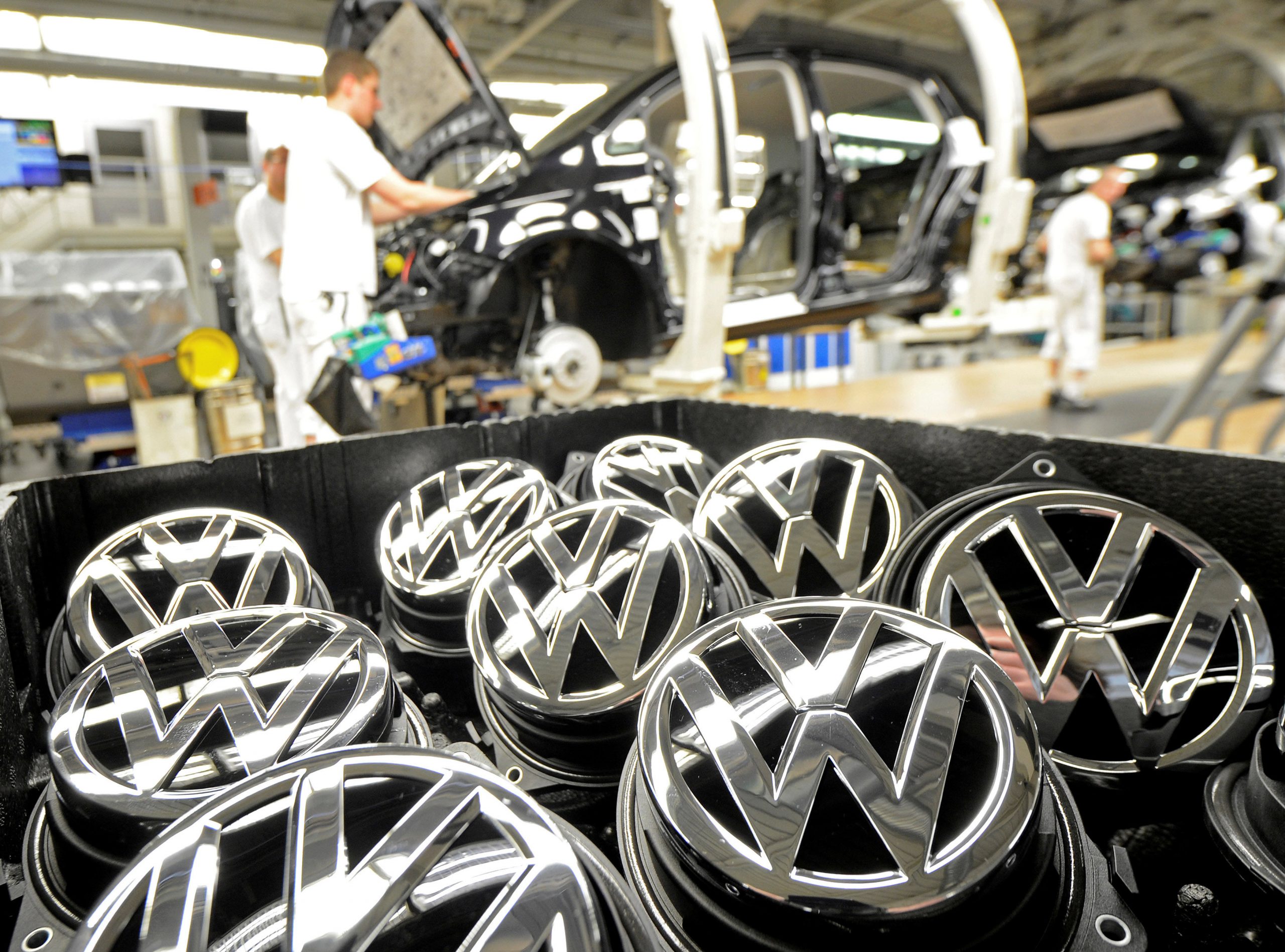
Oliver Blume, CEO of the Volkswagen Group, will ask the supervisory board this month to approve the largest restructuring in modern German corporate history, which involves up to 100,000 layoffs worldwide and the closure of four production plants in Germany.
According to the report, originally published by the business magazine Manager Magazin, the cuts would affect 15% of its current workforce, which is estimated at more than 657,000 employees across 111 manufacturing sites for the various light- and heavy-duty vehicle brands belonging to Europe’s largest automaker.
The report, which cites confidential internal documents as its source, indicates that Blume justifies the restructuring—the largest in the company’s 89-year history—by pointing to the slump in sales in China and the collapse of the free-trade model that for years drove the boom in German exports.
When asked about this, company spokespeople simply replied that all future decisions will be approved by the relevant governing bodies, but acknowledged that “the entire Group, including its brands and subsidiaries, must undergo a profound change.”
A couple of weeks ago, the executive hinted at what is to come when he told shareholders at the annual general meeting that Volkswagen is not achieving sufficient profit margins with its current products.
“Developing a global car in Germany, producing it in Europe, and selling it worldwide—our business model, which was successful for decades—no longer works today,” Blume said, explaining why the automaker’s finances have been undermined by changes in global trade policy.
The cuts will be accompanied by a 15% reduction in investment over the next five years, bringing the total to just over 130 billion euros ($148.2 billion), while the plants slated for closure are those in Hanover, Zwickau, and Emden, as well as an Audi facility in Neckarsulm.
Although the plan is ambitious, it is expected to face significant resistance due to Volkswagen’s unique corporate governance structure, in which union representatives and the government of the state of Lower Saxony—the second-largest shareholder with voting rights—hold sufficient veto power to block initiatives of this magnitude.
To overcome this obstacle, the Porsche and Piech families—the company’s largest shareholders—are considering spinning off parts of the corporate structure and turning its flagship brand into a separate company, which would weaken the influence of the unions, the report notes.
In response, Volkswagen’s General Works Council (Gesamtbetriebsrat)—the body representing the automaker’s employees—and the German industrial union IG Metall pledged to form a united front against the measure.
“If such plans were to be carried out, we would block them with all our might,” they stated in a joint message.
For his part, Lower Saxony’s Prime Minister Olaf Lies, who sits on Volkswagen’s supervisory board, joined the opposition and called for restoring competitiveness through the development of better products, new technologies, and improved market performance, rather than closing factories.
“Our task must be to ensure that we do not seek solutions through simplistic measures. We have to be competitive; we have to be technological leaders,” said the official, whose state is home to several of the German company’s plants.