Water consumption in Mexico rose 16.4%
Between 2012 and 2024, Mexico’s water consumption footprint increased by 16.4%, driven by population growth, economic expansion, and an increase in productive activities, primarily in the agricultural sector, according to the report "Water Footprint in Mexico", prepared by WWF Mexico and AgroDer.
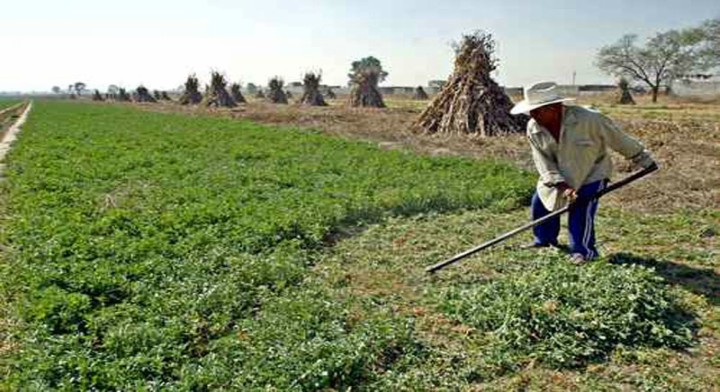
The study reveals that agriculture accounts for 75.5% of the national production water footprint, while crops such as corn, sugarcane, sorghum, coffee, and beans represent nearly 60% of the total pressure on the country’s water resources.
The water footprint measures the total volume of freshwater used or polluted throughout value chains to produce goods and services. In Mexico, the recorded increase is equivalent to an additional 33 cubic hectometers of water—a volume comparable to filling the Azteca Stadium 18 times.
The report also warns about the impact of so-called “virtual water trade,” that is, the water embedded in products traded between countries. Mexico currently imports 2.8 times more virtual water than it exports, reflecting the growing interdependence of global production and consumption chains.
Research attributes the downward trend in water consumption to reduced consumption of water-intensive products, such as beef and certain sweeteners, although it clarifies that the decrease is not the result of a deliberate strategy to reduce indirect water consumption.