Gxiba-1 will monitor climate change & volcanic activity
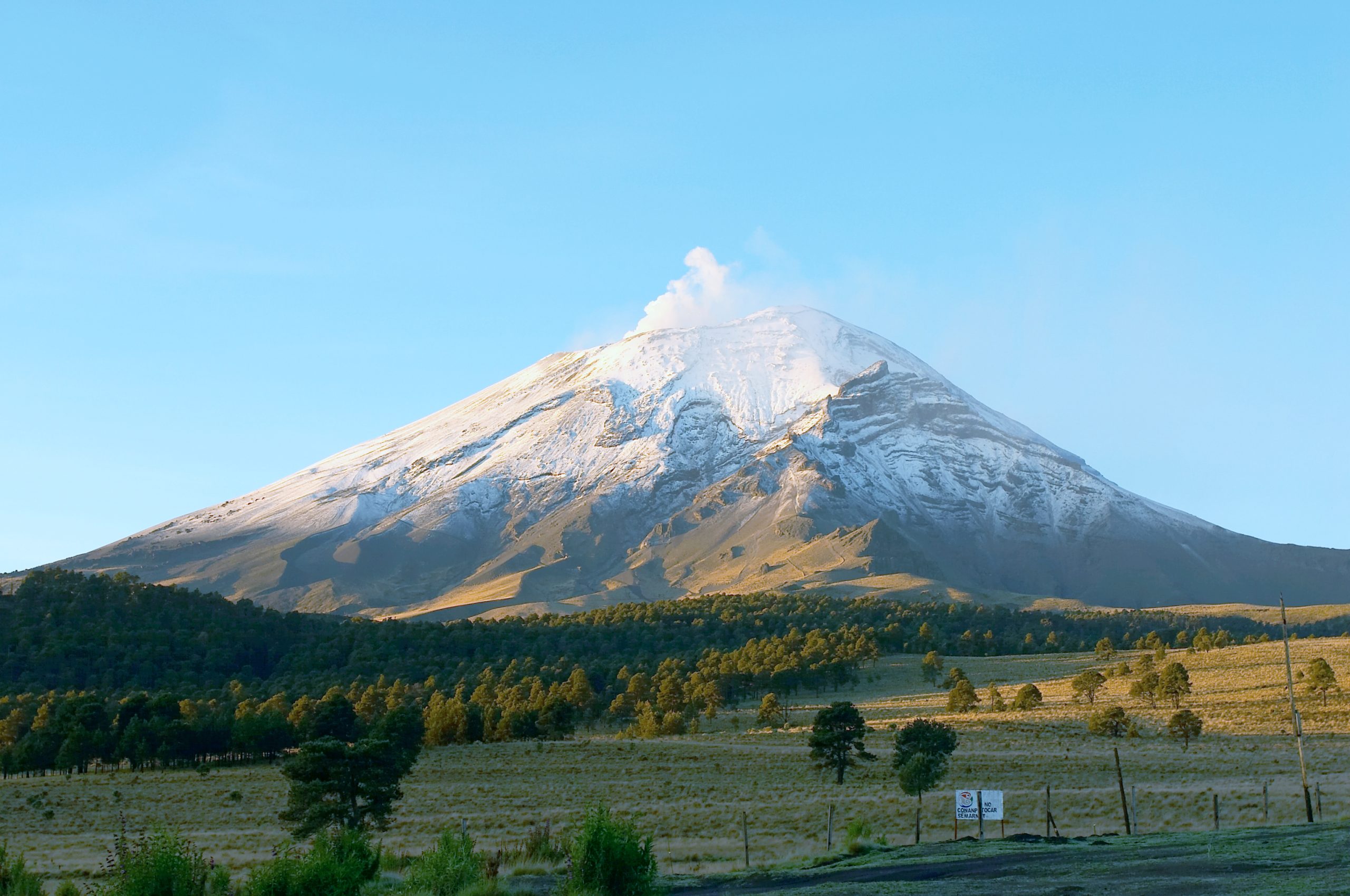
The Popocatepetl volcano will be monitored from space thanks to a technology project launched in Mexico: Gxiba-1, a satellite designed by students and researchers at the Popular Autonomous University of the State of Puebla (UPAEP), with technical guidance from the Japan Aerospace Exploration Agency (JAXA).
The satellite’s mission will be to collect key information on volcanic activity, thermal changes, and potential warning signs, with the goal of strengthening emergency monitoring and prevention systems. By operating from orbit, the satellite will provide continuous data without relying on weather conditions or ground-based access.
The project combines aerospace engineering, geosciences, and data analysis, and represents a significant advance for national scientific research. Its developers emphasize that the technology used could be applied in the future to monitor other active volcanoes and natural phenomena in the country.
Experts emphasize that this initiative puts Mexico on the map of space innovation for civil protection purposes. In addition to its scientific value, Gxiba-1 demonstrates the potential of international collaboration and Mexican university talent to develop high-impact solutions from space.