GAP Aims to Recycle Its Waste by 2029.
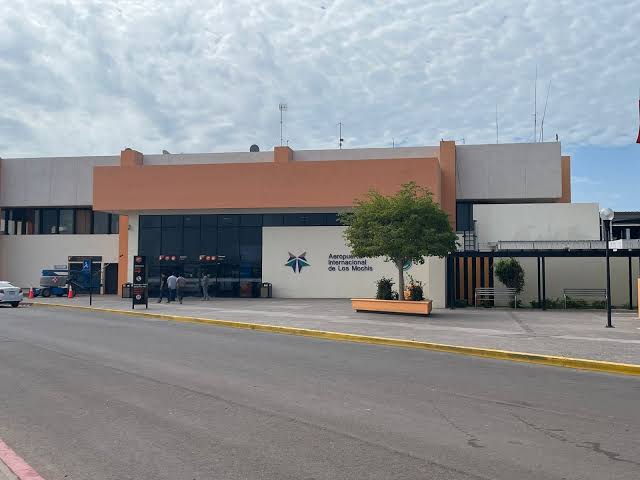
The circular economy is coming to the airports of the Grupo Aeroportuario del Pacífico (GAP). As part of its 2025–2029 Sustainability Plan, the Group has set a goal to ensure that at least 50% of the waste generated at its airports is diverted from landfills by 2029.
In 2025, GAP was Mexico's largest airport operator, handling 30% of the country's passengers. Across its network of 14 airports in Mexico and Jamaica, it served 63.7 million passengers.
That same year, GAP allocated 1,669 metric tons of waste to recycling processes, compared with 1,295 metric tons in 2024. Of the 2025 total, 1,570 metric tons were from Mexico and 99 from Jamaica.
The result provides a starting point for developing material recovery and reducing their final disposal in the coming years.
This challenge is part of a broader transformation of the airport industry. In light of climate concerns, the Airport Carbon Accreditation (ACA) program recorded 590 accredited airports in 91 countries during the period from May 2024 to May 2025, representing 53.6% of global passenger traffic.
GAP is participating in this global trend with all of its airports accredited under the program—five at Level 2 and nine at Level 3 by the end of 2025.
Regarding waste management, GAP’s strategy includes infrastructure for separation and temporary storage, containers for sorting at the source, standardized processes, and collaboration with waste collectors, recyclers, tenants, passengers, and other members of the airport community.
Similarly, the Group is implementing improvements and expansions to waste storage facilities and environmental equipment at its airports in Mexico.
In the near future, airports face the challenge of developing through operations that are increasingly resource-efficient and with infrastructure capable of meeting new environmental requirements.