AI Transforms Public Accounting
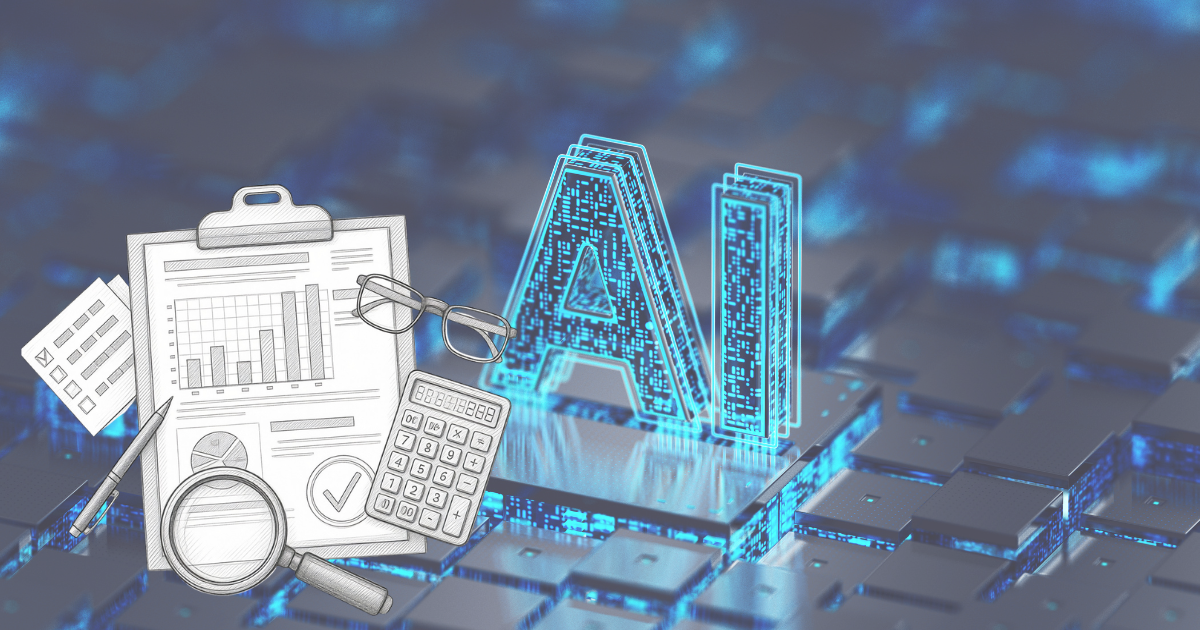
Market globalization and the adoption of new technologies have transformed public accounting, which has evolved from a practice focused primarily on recording financial transactions into a strategic tool for business competitiveness and economic development.
“Today, we gather in a complex and fascinating landscape. Globalization has blurred economic boundaries, connecting our markets to immediate international dynamics. In this hyperconnected environment, the public accounting profession no longer merely records the past; it now designs strategies that enable companies and governments to compete on the global stage,” said Gerardo Martínez Chávez, president of the Board of Directors of the National Federation of the Mexican Association of Public Accountants (FNAMCP).
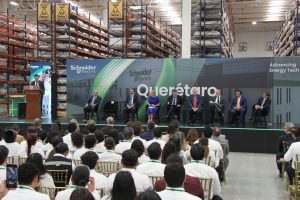
During the 52nd National Convention of Public Accountants in 2026, the FNAMCP president highlighted how technological transformation represents both a challenge and an opportunity for accounting professionals, particularly with the adoption of artificial intelligence, which automates processes and expands financial analysis capabilities.
“This global reality requires us to adopt cutting-edge tools; artificial intelligence is not here to replace us but to enhance our capabilities. By delegating operational tasks and large-scale data processing to intelligent systems, we free up our most valuable assets: analytical judgment, strategic interpretation, and high-level consulting. Technology must be our greatest ally as we evolve from analytical accountants into true financial architects,” Martínez Chávez said.
However, he pointed out that beyond technological advances, the essence of the profession remains rooted in principles such as ethics, technical expertise, and social responsibility.
With this in mind, he emphasized the importance of research and academic training conducted by professional associations as key elements in keeping knowledge up to date and increasing the involvement of certified public accountants in discussions on economic and fiscal policy.