Car Sales in Mexico Set a New Record
Fierce competition in the Mexican automotive market led to the sale of at least 130,831 new light vehicles in July, representing a 3.4% increase, according to official data from INEGI.
Despite the moderate growth, the total number of passenger and commercial vehicles delivered by dealerships across the country in the first seven months of the year reached a new all-time high of 885,349 units.
This result represents a 5% increase compared to the same period last year, but also marks the highest volume since the government agency began tracking these figures, surpassing the previous record set in 2017 by 17,667 vehicles.
It should be noted that the INEGI report excludes sales from a significant number of Chinese brands, as well as the U.S.-based Tesla, since the tally is based on data voluntarily provided by competitors.
This suggests that the Mexican automotive market is larger and more dynamic than the figures indicate.
On the Rise
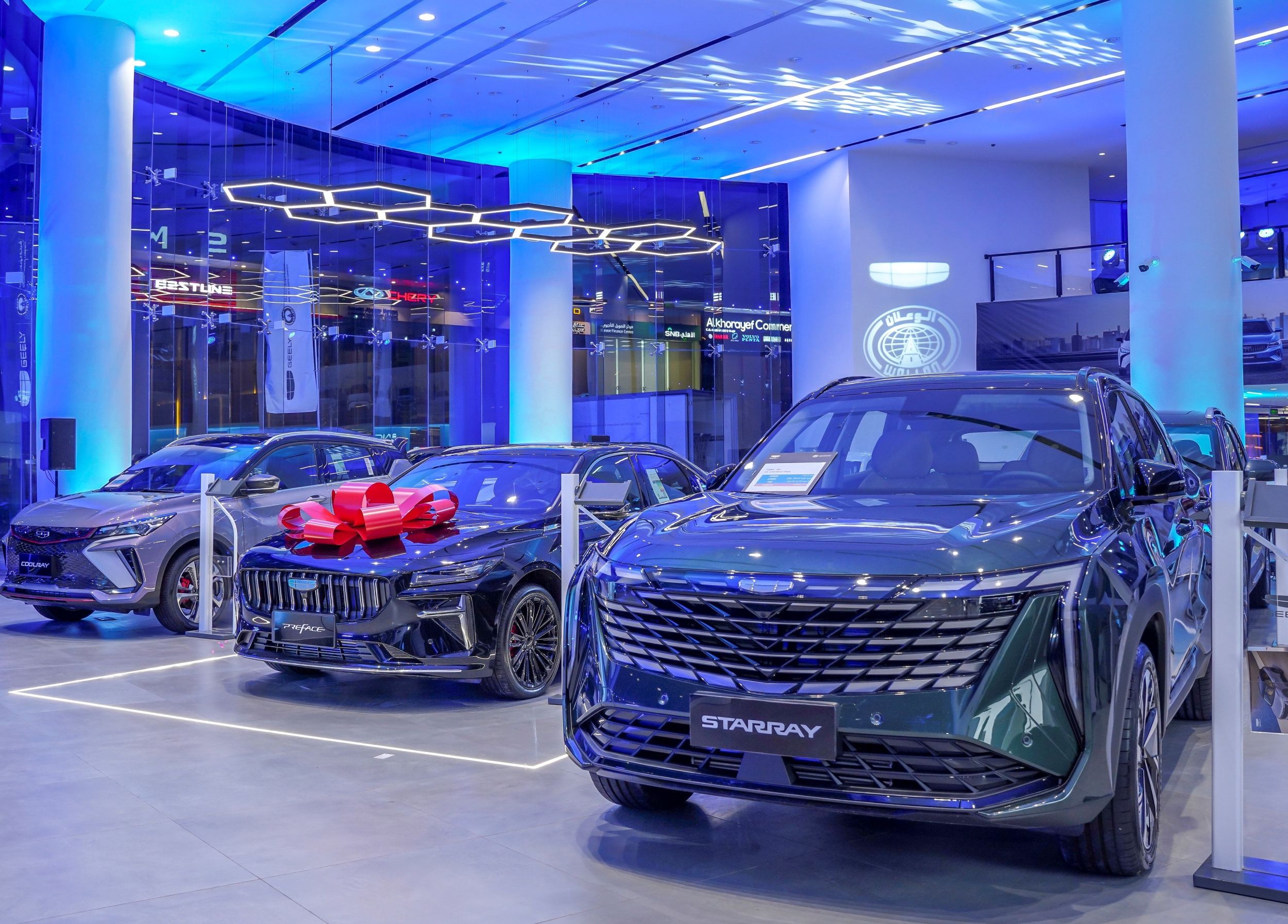
And it is precisely one of the Chinese companies that does publish its results that reported the best performance last month. That company is Geely, which sold 4,203 vehicles last month, surpassing its own July 2025 result by 127.6%.
The Hangzhou-based automaker has accumulated sales of 27,324 units so far this year, representing a 223.6% increase compared to the January–July period of last year.
The only automaker to achieve a similar monthly performance was Stellantis, which recorded a 34% increase in deliveries of 8,955 cars and trucks, while the multinational’s cumulative volume for the year stands at 57,703 vehicles, representing a 20% increase.
The Ranking
Nissan, the leading brand by market share, reported a slight decline of -0.7% in its July sales, with 23,454 vehicles delivered, while its year-to-date total stands at 150,553 units sold—a figure 0.9% lower than the result from a year ago.
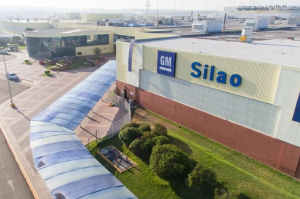
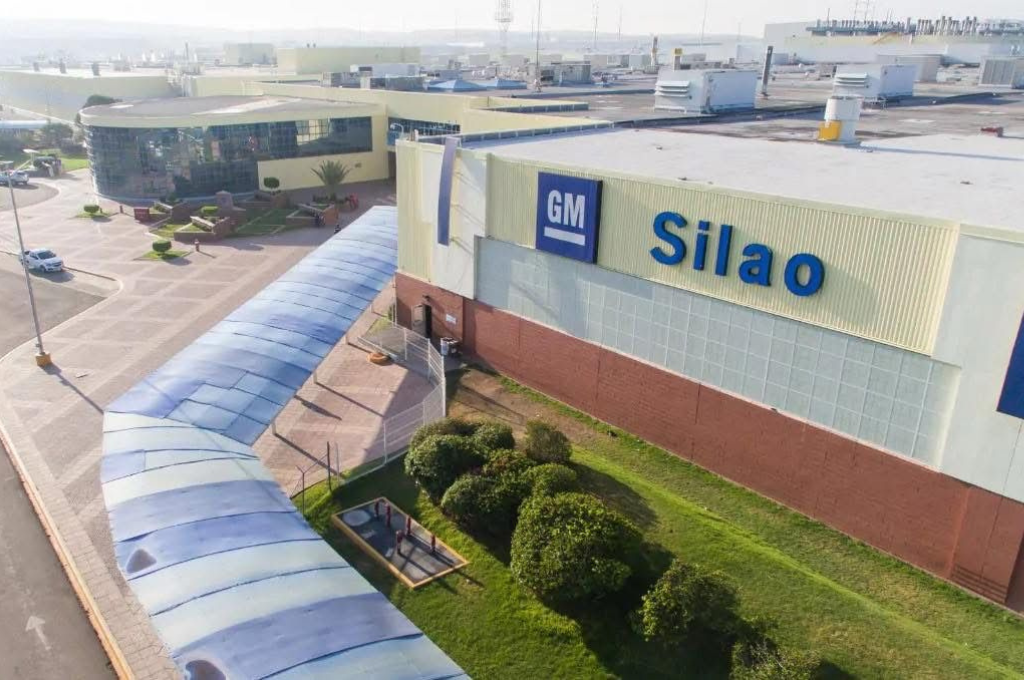
General Motors, ranked second, achieved a 1.5% increase in July with sales of 16,163 light vehicles. With this result, its year-to-date volume slightly exceeds 113,000 units, representing a 2.3% increase.
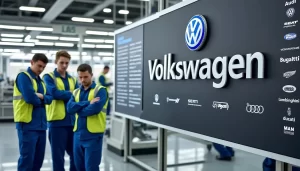
Volkswagen, which holds third place, posted a solid 5% increase in its monthly results with sales of 14,600 cars and light trucks, including those from its subsidiaries Audi, Bentley, Porsche, and SEAT.
The German automaker has delivered a total of 97,212 vehicles so far this year, a figure that is 3% higher than the volume from a year ago.
Japan’s Toyota recorded a 5.8% increase in sales, with 11,074 units sold in July, bringing its cumulative deliveries to 73,203 vehicles—a volume 3.5% higher than that of the January–July period in 2025.
Kia, Mexico’s fifth-largest automaker by sales volume, reported flat results, selling 9,307 cars and pickup trucks last month, while its cumulative total stands at 64,159 units—a 3.1% increase over last year.
Mazda reported one of the most notable declines, delivering 8,847 vehicles—a drop of nearly 9.8% compared to the same month in 2025.
However, the Hiroshima-based brand maintains its cumulative sales in positive territory with a total of 60,857 units delivered this year, a figure that exceeds the January–July period of the previous year by nearly 2%.
Premium Battle
In the luxury segment, BMW remained the sales leader with 1,457 vehicles sold in July, including those from its Mini subsidiary; however, this figure reflects a decline of -5.5% compared to the volume from a year ago.
With this result, the Bavarian automaker has accumulated deliveries of just over 10,000 units between January and July this year, which also translates to a decline of -6.5% compared to the same period in 2025.
Mercedes-Benz, on the other hand, reported a slight increase of 2.6% in its monthly sales, with 670 vehicles delivered. However, the German brand has sold 5,213 units so far this year, a volume representing a drop of -18.2% compared to last year.
Audi, for its part, saw its July deliveries fall by -7.2% to 737 cars and SUVs, but its year-to-date sales exceed those of its German counterpart Mercedes-Benz by 20 units, representing a 3.9% increase for the Volkswagen subsidiary compared to its results from a year ago.