CFE seeks measures to draw investment in electricity
José Antonio Rojas Nieto, Undersecretary of Electricity at the Ministry of Energy, confirmed that work is underway on various mechanisms to integrate private electricity generation into the national grid through 2040. These include new calls for applications for priority permits and partnership agreements with the Federal Electricity Commission (CFE). At the same time, efforts are being made to phase out the self-supply model, which remains in operation under existing contracts.
“We’ve had to study and re-examine the partnership agreements because we want them to be bankable, to be transparent, and for the banks to feel comfortable—not just domestic and international banks. Not happy, but comfortable. And ‘comfortable’ is a serious technical term that we’re working to define together,” he said during the 58th Forum of the National Association of the Chemical Industry (ANIQ).
He also explained that the Ministry of Energy is responsible for encouraging companies operating under the self-supply scheme to transition to legal arrangements compatible with current energy policy.
“Today, we still have many users whom we are asking to transition to legal structures, including one that would allow us to eliminate the infamous ‘postage stamp’ rate—a rate that did nothing to encourage renewables,” he said. He added that the transition process is being carried out respectfully, within the established timelines and through the appropriate mechanisms, with the aim of reaching the best possible agreements.
Under the electricity self-supply scheme, private companies generated electricity and used the CFE’s transmission and distribution networks under arrangements that did not fully reflect actual transmission costs. This practice, known as the “postage stamp” rate, was intended to promote renewable energy generation in the country.
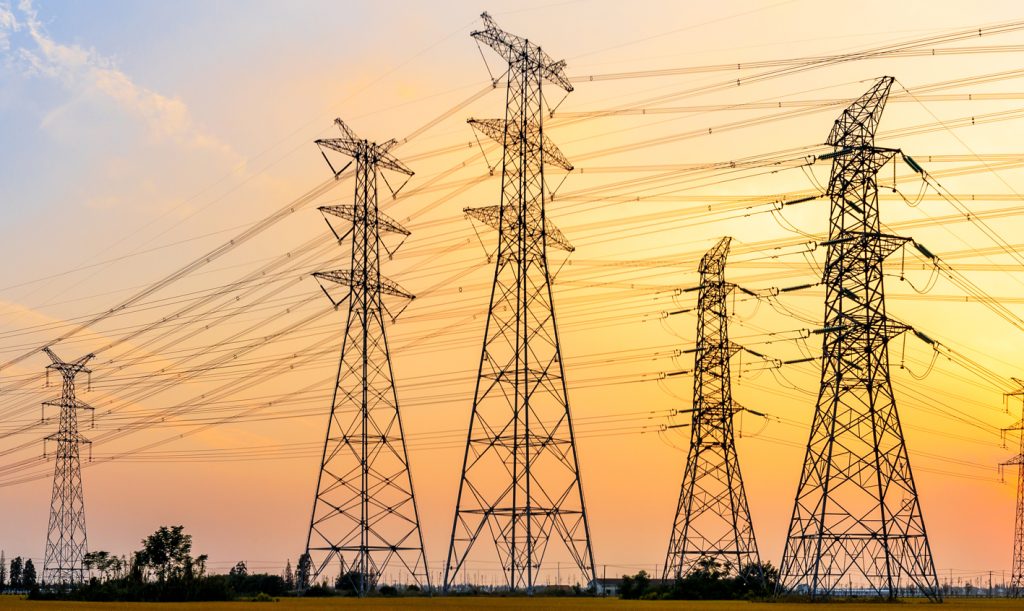
Rojas Nieto emphasized the private sector’s strong interest in calls for proposals for joint renewable energy projects with the CFE. He also said that the authorities are preparing to announce which projects will be included in the national electricity sector’s construction program. The program covers not only power generation but also upgrades to the transmission grid, where significant infrastructure backlogs remain to be addressed.
Against a backdrop of economic uncertainty, geopolitical tensions, rising protectionism, the upcoming review of the USMCA, and an increasingly complex global environment, he emphasized that the challenge is to turn these factors into opportunities to attract investment, drive innovation, and strengthen Mexico’s productive and technological capabilities.