Chinese Automakers Make Mexico Their First Stronghold in North America
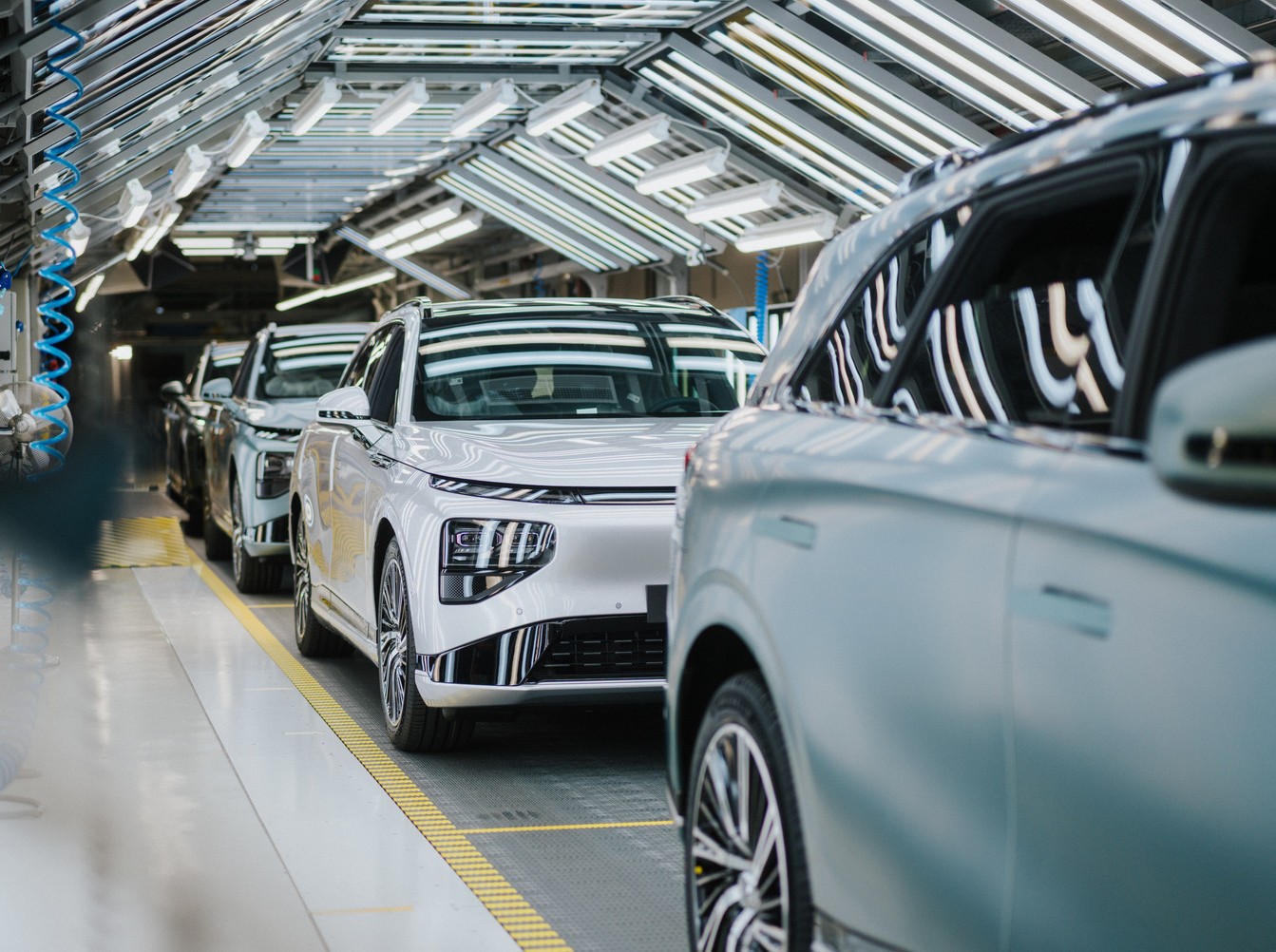
The unstoppable advance of Chinese automakers into the Mexican market—which continues to see record sales volumes—has dispelled all doubt: they’re here to stay, and it’s only a matter of time before they begin assembling vehicles in the country.
Their motivation lies not only in consolidating their presence in Mexico and the rest of Latin America, but also in meeting, as much as possible, the requirements necessary to export their products to the United States in the event that the market eventually opens up to these brands.
One of the automakers with a global presence that is already acting in anticipation of the inevitable is Nissan, the sales leader in Mexico by volume, whose executives estimate that its Chinese competitors will begin manufacturing cars here within three years, while their entry into the U.S. market will eventually occur, though “not before five years.”
This warning was recently issued by Christian Meunier, the executive in charge of Nissan’s operations throughout the Americas, during a conference in Tokyo where he explained that the consolidation of Chinese brands in Mexico “will trigger fierce price competition that will force Nissan and other traditional manufacturers to cut costs immediately or risk losing market share,” according to a report by AutoNews.
Meunier added that the Japanese automaker has already begun restructuring its costs and product development to prepare for this new wave of rivals.
“We have a very ambitious plan in Mexico, especially to reduce costs and be able to compete with Chinese manufacturers when they localize their production—which will likely happen in the next two or three years—so we must be prepared,” he emphasized.
One of the first measures implemented by Nissan was the introduction to the Mexican market of a hybrid pickup produced by its partner, Zhengzhou Nissan Automobile Co.
The Chinese Onslaught in Numbers
With this decision, the Tokyo-based automaker joins an ever-growing group of automotive companies—such as Ford, General Motors (GM), and Stellantis—that are leveraging production capacity through joint ventures in China to compete in the local market with models imported from that region.
This trend has led to a situation where, by the third quarter of this year, nearly 30% of the vehicles sold in the Mexican automotive market originated from a Chinese assembly plant, regardless of whether they bear the emblem of a Chinese brand or that of a U.S. or European company.
Official figures from INEGI indicate that as of the end of September, China-based brands delivered 130,488 units in the country. However, it is worth noting that this data excludes at least four competitors that do not report their monthly results to the government agency, including BYD, the Chinese automaker that leads in sales in the domestic market according to unofficial estimates.
Experts estimate that total deliveries by Chinese-origin brands in Mexico amounted to 206,679 vehicles in the first nine months of the year. However, to this volume must be added the sales of models imported from China by other global brands—a figure that exceeds 149,000 units, according to INEGI.
This results in a total of nearly 356,000 Chinese-made vehicles sold in the country, while actual sales volume for the period in question would amount to just over 1,220,000 vehicles. Based on these estimates, the market share of vehicles manufactured in China—regardless of brand—stands at 29.2% of the total.
Nissan and the other global brands will be joined by Volkswagen, which confirmed in late September that the first units of the Lamando L sedan destined for the Mexican market have already rolled off the assembly line at its partner SAIC Volkswagen and are on their way, with plans to be displayed at dealerships across the country before the end of the year.