Hyundai Eyes Interoceanic Corridor for Vehicles
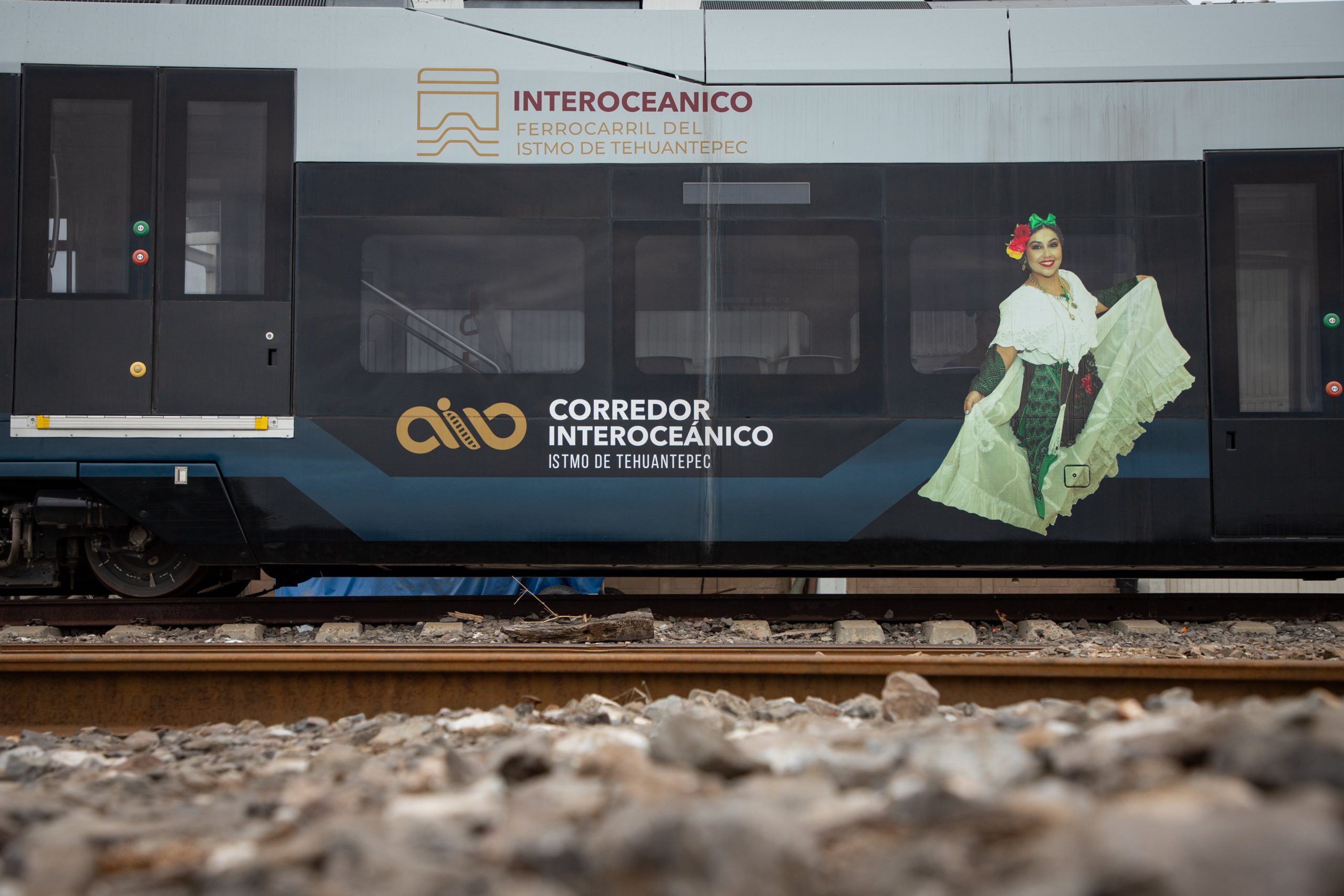
South Korean automaker Hyundai is seeking to establish the Tehuantepec Isthmus Interoceanic Corridor (CIIT) as a logistics route for transporting vehicles between the Pacific and Atlantic oceans via the railway connecting the ports of Salina Cruz, Oaxaca, and Coatzacoalcos, Veracruz.
The federal government announced that the company is pursuing an agreement to use the infrastructure to strengthen freight flows between Asia and North America.
The initiative builds on Hyundai Glovis Mexico’s operations in 2025 and 2026, which involved transporting vehicles from South Korea across Mexican territory before shipping them to the U.S. market.
According to information released by the governments of Oaxaca and Veracruz, the company transported 3,000 vehicles in July 2026, up from 900 during its first operation in March 2025.
The logistics plan involves shipping vehicles from South Korea to the port of Salina Cruz, where they are unloaded and transferred to rail for transportation across the country.
Hyundai’s use of the railway could boost commercial activity at the ports of Salina Cruz and Coatzacoalcos while expanding the corridor’s role in international supply chains.
Since July 2026, the federal government has sought to formalize an agreement allowing Hyundai to use the Interoceanic Corridor regularly to transport vehicles.
However, the government has only indicated that an agreement is nearing completion to facilitate vehicle transportation between the Pacific coast and the Gulf of Mexico. The final signing of the contract, the regular shipment volumes, and the financial terms have not been publicly confirmed.
Therefore, although Hyundai has already used the infrastructure for vehicle shipments between 2025 and 2026, those operations should be distinguished from a formal, long-term commercial agreement, which remains unconfirmed.