Industrial Real Estate Market Expands Beyond Interoceanic Corridor Hubs
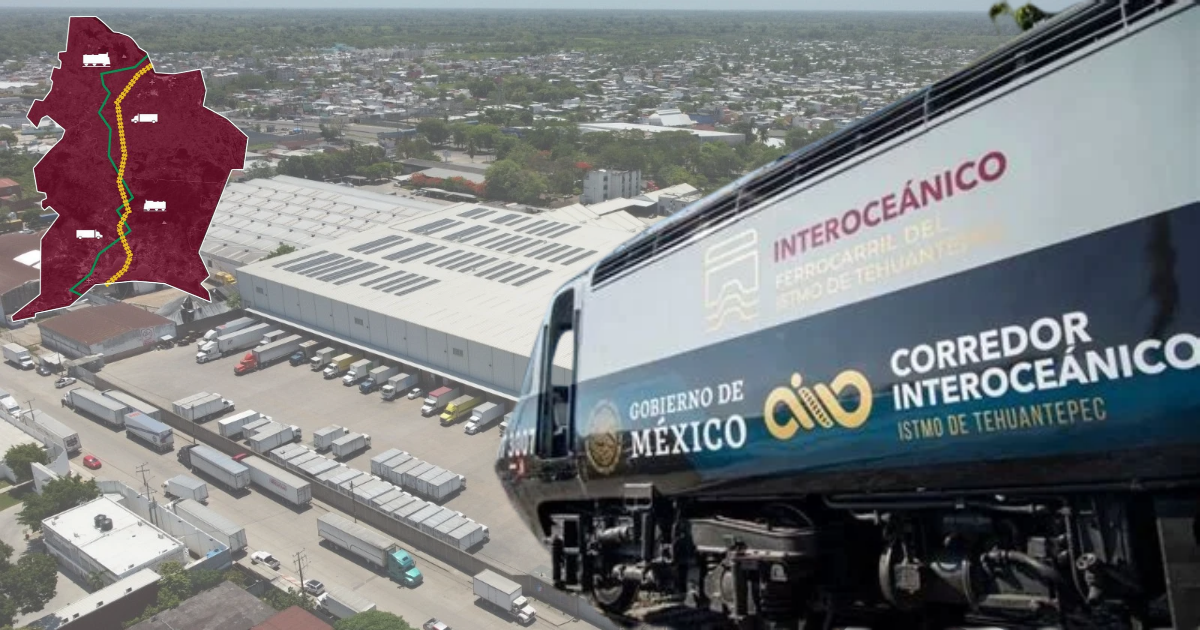
The private industrial real estate market is beginning to reveal a geography that extends beyond officially designated zones, following a different logic shaped by proximity to railways, ports, energy sources, and major logistics corridors.
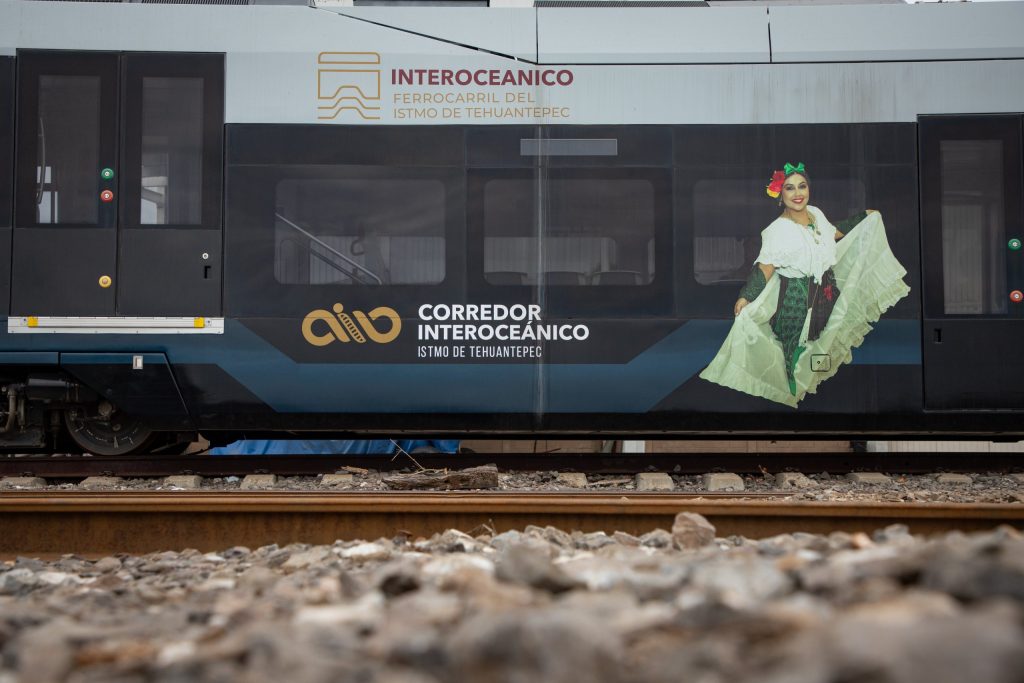
A territorial analysis by Spot2.mx, a platform specializing in commercial and industrial real estate, found that activity is concentrated primarily in urban and port areas. Nearly 85% of industrial spaces are located within the area of influence of the Interoceanic Corridor of the Isthmus of Tehuantepec (CIIT), but outside the Development Poles for Well-being (PODEBIs). These properties are distributed across logistics hubs located 10 to 100 kilometers from the railway network.
The highest concentrations are found in Tabasco, the port areas of Coatzacoalcos and Salina Cruz, central Chiapas, and Tapachula, including locations outside designated industrial zones.
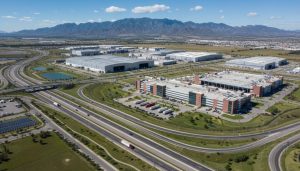
The analysis highlights the availability of land, warehouses, storage facilities, and yards offered by developers and property owners in hubs where rail infrastructure connects ports, industrial zones, and consumer markets. This distribution is significant because only four of the 14 PODEBIs currently have concessionaires, while none has reported companies that have established operations or made contractual commitments to do so.
Although the federal government plans to maintain substantial public investment in the region, this situation highlights the importance of identifying where private industrial real estate development is emerging along the routes connecting ports, cities, and consumer markets, which could complement public investment.
The forces driving demand differ from those traditionally considered by industrial real estate brokers.
According to Spot2.mx, land availability alone is no longer enough to determine an industrial property's potential value. Projects most likely to attract international tenants are those that can guarantee, from the planning stage, access to electricity and natural gas, direct rail connections to rail yards, and sustainability certifications such as EDGE and LEED. MacíasVianey, Head de Market Research de Spot2.mx, emphasized that energy has become a highly sought-after asset in the industrial sector.
This trend is creating opportunities for the development of Class A industrial warehouses tailored to companies in sectors such as automotive, electronics, light manufacturing, and logistics.
Spot2.mx expects the next 24 to 36 months to bring these emerging opportunities into sharper focus, potentially resulting in new industrial corridors, a larger warehouse inventory, and increased industrial real estate absorption.