Mexico and China Could Collaborate on Space Programs
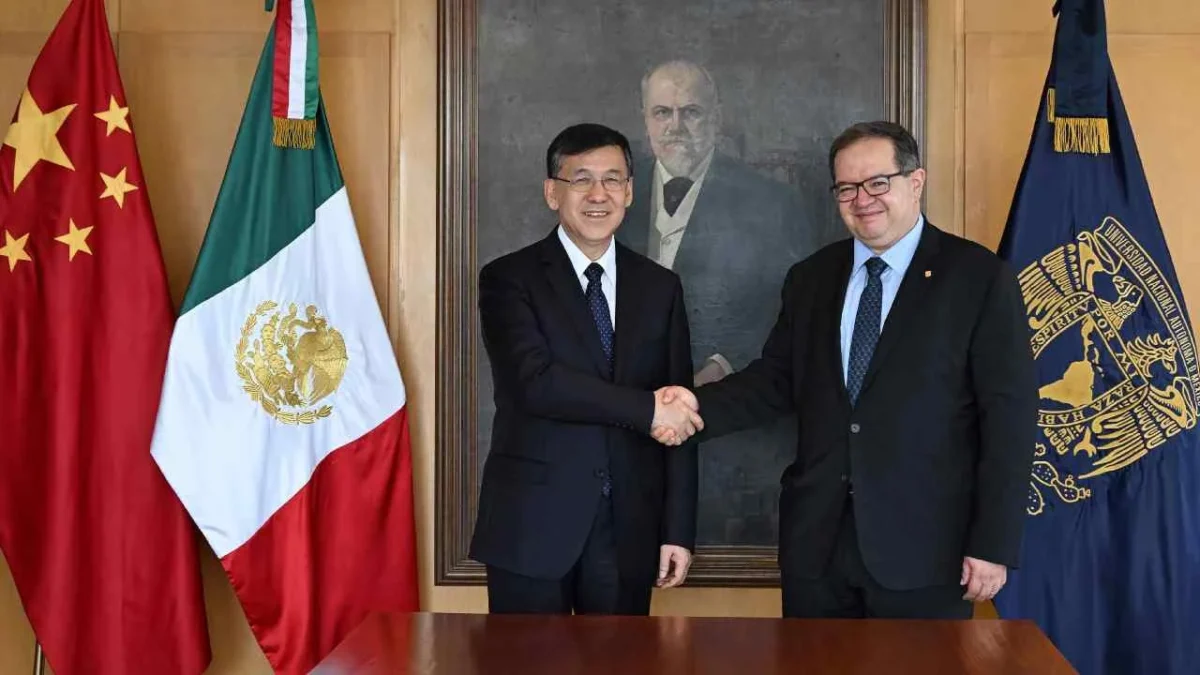
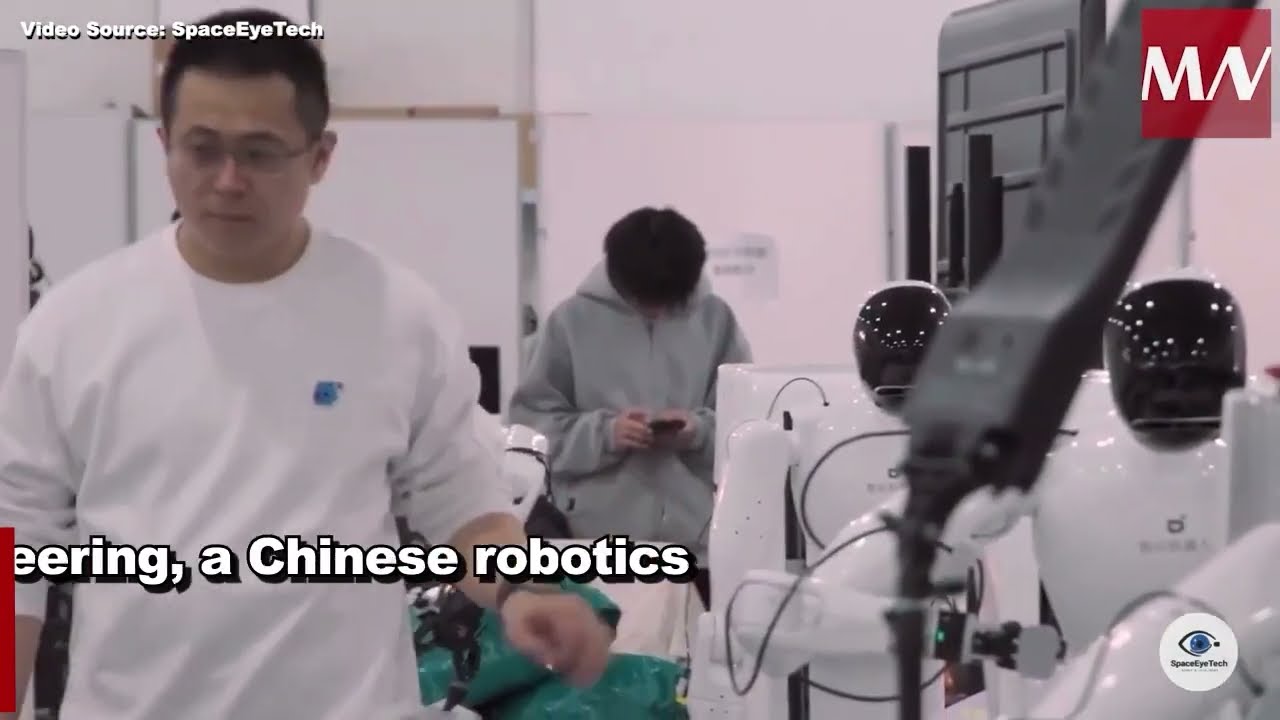
The recent visit by China’s Minister of Science and Technology, Yin Hejun, to the UNAM Space Instrumentation Laboratory furthered the discussion on the future of Mexican space collaboration in a multipolar landscape. During the meeting, the minister took a close look at the progress of the COLMENA-2 mission, the COLMENA-1 microrobots, and the new generation of vehicles designed to explore and identify resources on the Moon. Yin Hejun emphasized his interest in supporting the project’s continuation, leaving the door open for new collaborations. Gustavo Medina Tanco, the mission leader, is already collaborating with Chinese institutes and the Chinese Academy of Sciences.
COLMENA-2 is scheduled for the end of this decade and aims to develop systems capable of navigating autonomously, communicating with one another, and conducting mineral prospecting tasks under extreme conditions.
Managed by UNAM, this project was spearheaded by Mexican students and researchers and continues the work begun with COLMENA-1—the first mission, launched aboard the Peregrine module. Although it did not succeed in landing on the Moon, it still left behind technical capabilities, experience, and a generation of young people trained in highly complex space engineering.
When evaluating a potential closer alliance with China, a level-headed approach is needed to assess the advantages and challenges. Among the aspects to be analyzed, access to the capabilities China has developed—specifically more robust systems for COLMENA-2—stands out, as it would facilitate testing or the provision of components and strengthen the training of Mexican specialists in autonomous robotics, prospecting sensors, and survival in extreme environments.
Diversifying partners reduces dependence on a single actor, while also creating opportunities for national talent to gain practical experience. Medina Tanco has pointed out that space has no borders, and neither should science,