Mexico Launches Space Program with Its Own Satellites
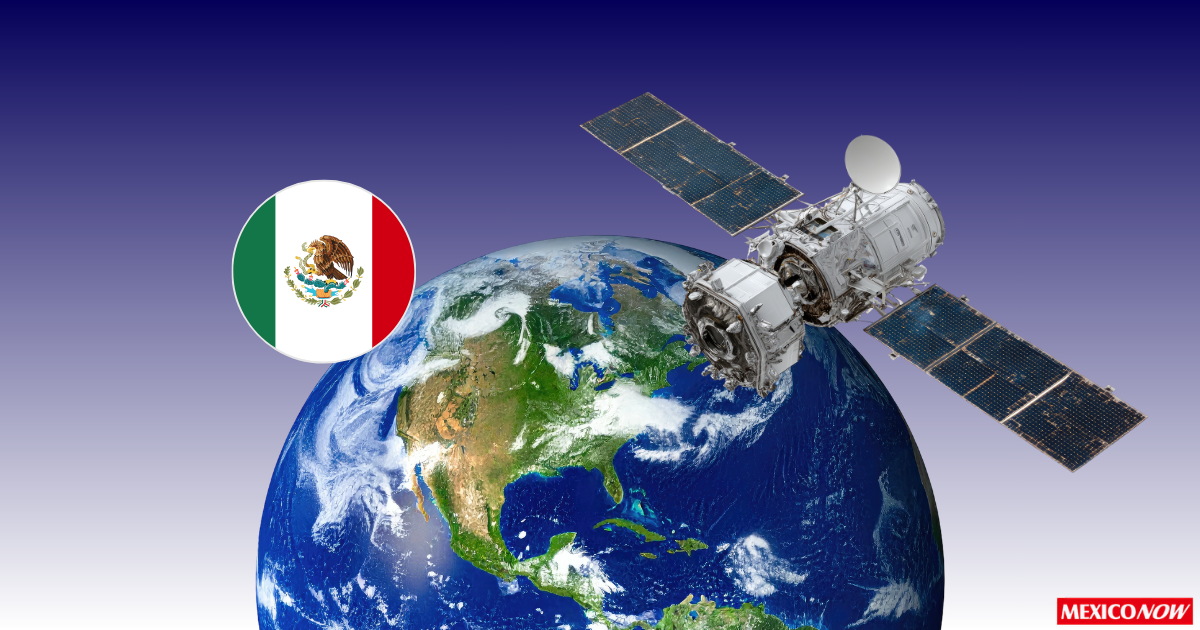
The Mexican government has officially launched the Mexican Space Program (PEM) for the near future. This national-level strategy aims to consolidate the country’s space capabilities by developing satellite infrastructure, strengthening Earth observation capabilities, and expanding telecommunications coverage in hard-to-reach regions. The program will be coordinated by the Agency for Digital Transformation and Telecommunications (ATDT), with technical support from the Mexican Space Agency (AEM).
PEM is a strategy aligned with the Development Plan for the coming years and the ATDT’s Sectoral Program, whose purpose is to advance technological sovereignty in critical connectivity services while promoting development related to the space economy.
The Mexican government views this transformation as an opportunity for the country's evolution, moving from being a heavy user of space services to becoming a developer of its own technological capabilities.
One of the pillars of the program is the development of a new national telecommunications satellite, the purpose of which would be to strengthen connectivity in rural communities and areas where ground-based infrastructure is limited or not economically viable.
In addition, the PEM aims to strengthen the development of specialized human capital to meet the growing demand for professionals in space engineering, telecommunications, data analysis, artificial intelligence, and cybersecurity.
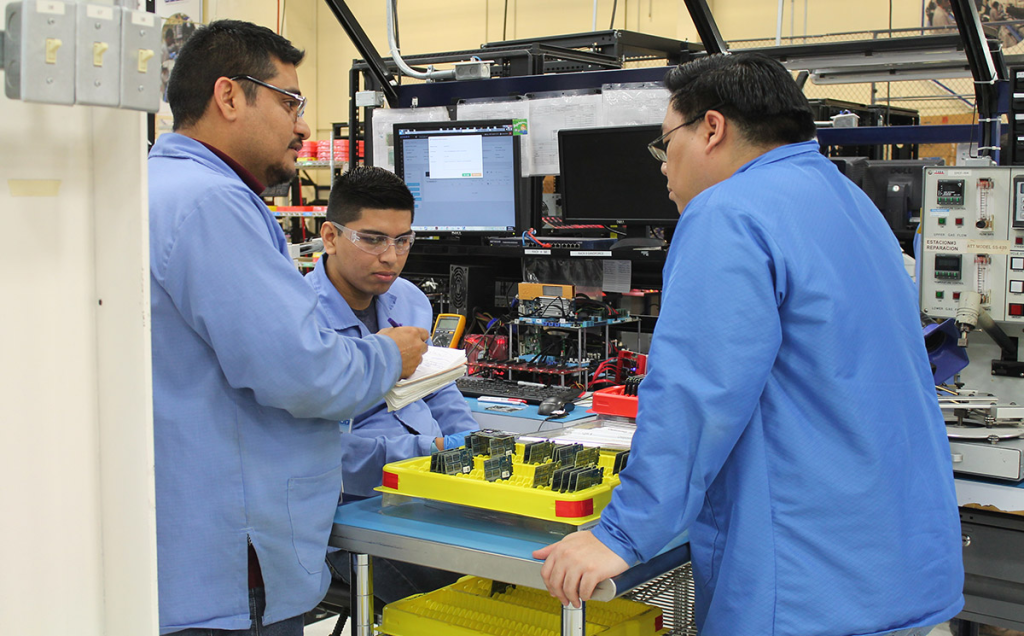
The government hopes to capitalize on this expansion by leveraging the aerospace industry in the region, which consists of 386 companies spread across various industrial clusters.
It is worth mentioning that the domestic aerospace sector has already reached approximately 11.2 million and is projected to reach 22.7 million in the future, with annual growth rates exceeding 15%.”
The government's strategy aims to increase the involvement of private companies, investment funds, and technology startups associated with the so-called New Space movement, leveraging the academic and research capabilities it already possesses. According to the PEM, the combination of satellite infrastructure, specialized talent, industrial capabilities, and international collaboration will make it possible to build a more competitive and sustainable space ecosystem.