Mexico made its debut at WAGA 2026
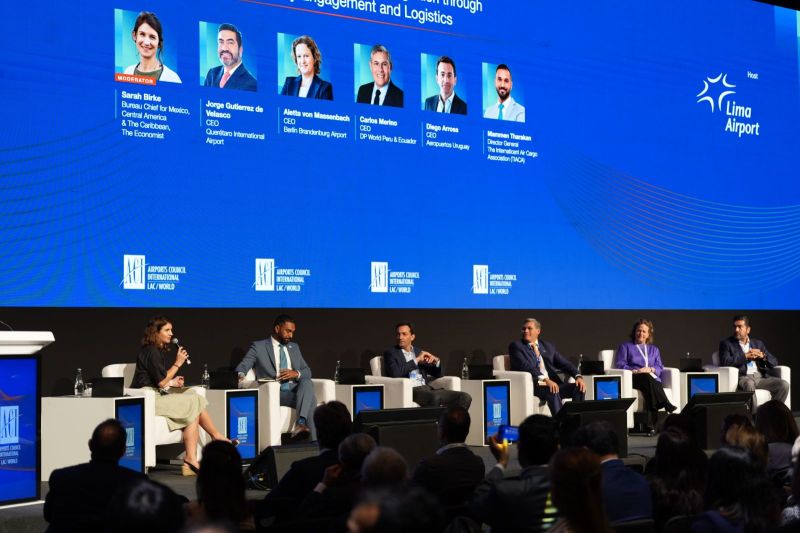
Representatives from Mexico have spoken during the panel discussions at the ACI-LAC/World Annual General Assembly, Conference, and Exhibition (WAGA 2026). Algunos de los temas abordados dentro del panel fueron
During the panel discussion, topics such as airports that foster the growth of surrounding industries, issues related to sustainable aviation fuel (SAF), and the regulatory measures needed to ensure investment certainty were addressed.
During the panel discussion “Airports and the City: Strategic Integration Through Community Participation and Logistics,” Jorge Gutiérrez de Velasco, general manager of Querétaro International Airport, reported that they have been operating under the triple-helix innovation model for four to five administrations, a model that reflects the creation of clusters in the areas surrounding the aeronautics and aerospace sectors.
He emphasized that this has been a temporary situation; however, it has created significant job opportunities. He also noted that airports should be viewed as strategic infrastructure for development.
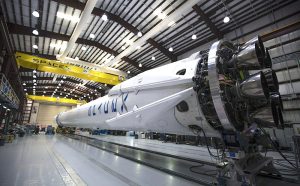
I would like to point out that companies are currently setting up operations in Querétaro whose vision goes beyond simply sending humans to space, the moon, or other parts of space.
In contrast, during the panel discussion “The Role of the Private Sector in Airport Development,” Martín Pablo Zazueta, director of Airports and Regulated Business at Grupo Aeroportuario del Pacífico (GAP), explained that as long as concessions provide certainty, they add value. He also clarified that concessions need to be long-term and that each party must fulfill its responsibilities: the concessionaires also shared their experience and the authority to safeguard the common interest, in addition to providing appropriate regulation.
During the same panel discussion, Lorenzo Ochoa, Executive Director of Aeropuertos Mexicanos (AME), stated that the concession is not the goal; rather, it is a tool that allows private-sector capital to be channeled into projects such as those in which this airport group is involved.
“Basically, what we do is provide a flexible tool to work in partnership with state or federal governments, where they have an asset they don’t necessarily want to privatize entirely, and the build-operate-service contract allows us, for those airports, to design and tailor the necessary arrangements to make them available on the market,” he said.
He added that this enables them to access the financial market and secure funding for the projects.
Meanwhile, during the panel discussion titled “Energy Transition: A Strategic Imperative to Strengthen Decarbonization and Resilience at Airports,” Humberto Suárez, Business Development Coordinator at Aeropuertos y Servicios Auxiliares (ASA), reported that by the end of this year or early 2027, Mexico will have its roadmap for sustainable aviation fuel (SAF).
He noted that each country has its own specific conditions and that Mexico is currently in a transitional phase regarding the production of this fuel. However, he indicated that in Mexico, the relevant authorities are working collaboratively—through the Federal Civil Aviation Agency (AFAC) and the ministries of Environment, Economy, Infrastructure, Communications and Transportation, and Energy—to establish legal certainty surrounding this issue.
Similarly, it was noted that the country’s main challenges include securing the raw materials and technology necessary for SAF production, as well as establishing the corresponding regulations, which, he said, will be available soon.