Mexico’s First Biomethane Project Opens Its Doors
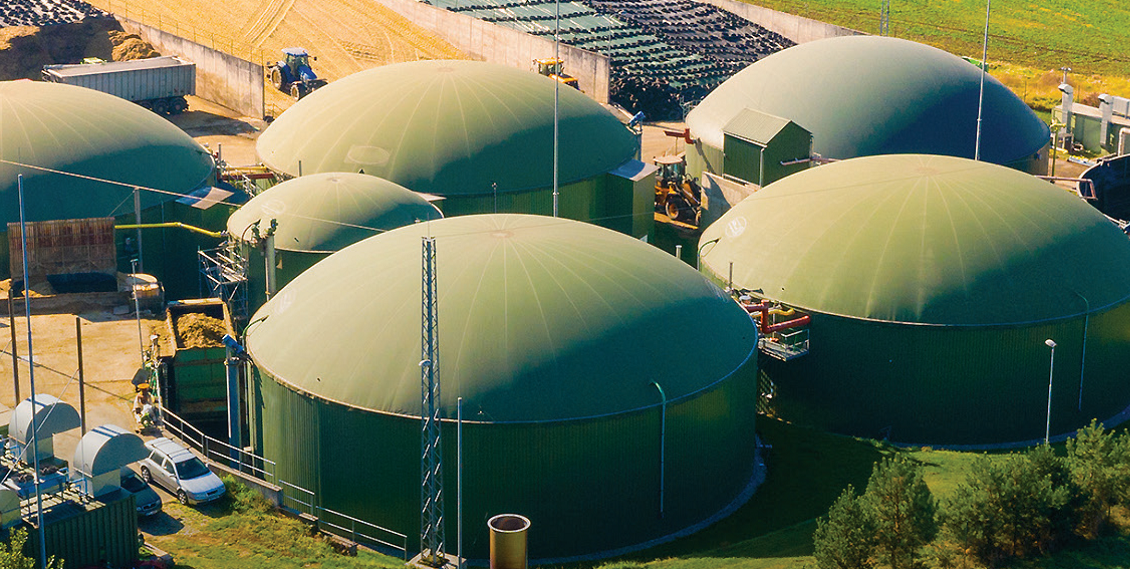
For the first time, Mexico now has a registered biomethane project to certify to North American buyers the environmental attributes of the renewable energy it produces. This provides an alternative for companies seeking to make their operations cleaner and more efficient, reduce emissions, and make progress toward decarbonization goals and ESG objectives.
Brimex Energy, located in Lagos de Moreno, Jalisco, has become the first Mexican renewable thermal energy project to be registered in the CleanCounts Registry (M-RETS). This registration will make it possible to document the origin, volume, and production period of the energy generated by the plant and to guarantee its environmental attributes to buyers and auditors.
The announcement was made at the Mexico Carbon Forum in Aguascalientes and at Renewable Energy Markets in Washington, D.C.—the first Mexican event to address decarbonization and environmental markets at the national level, as well as one of the leading clean energy market conferences in North America.
“Biomethane can solve several problems at once: it can make use of waste that is currently a liability, generate energy in Mexico, and offer an alternative for industries that need to reduce emissions but cannot electrify all their processes. What this first case adds is the possibility of verifying that environmental benefit,” said Guillermo Gómez Herrera, president of the National Biogas Council (CNBiogás).
Data for Mexico indicate that biomethane produced from waste has the potential to replace between 8% and 10% of the country's natural gas consumption. This development will allow for diversification of the supply, the incorporation of domestic renewable production, and the utilization of existing infrastructure.
Converting a portion of the waste into biomethane will make it possible to transform an environmental burden into a national energy source, which will reduce emissions associated with its decomposition, replace a portion of the natural gas consumed by industry, and maintain investment and economic value in the regions where the waste is generated.