Mexico’s foreign trade rises 37% and 33% in September
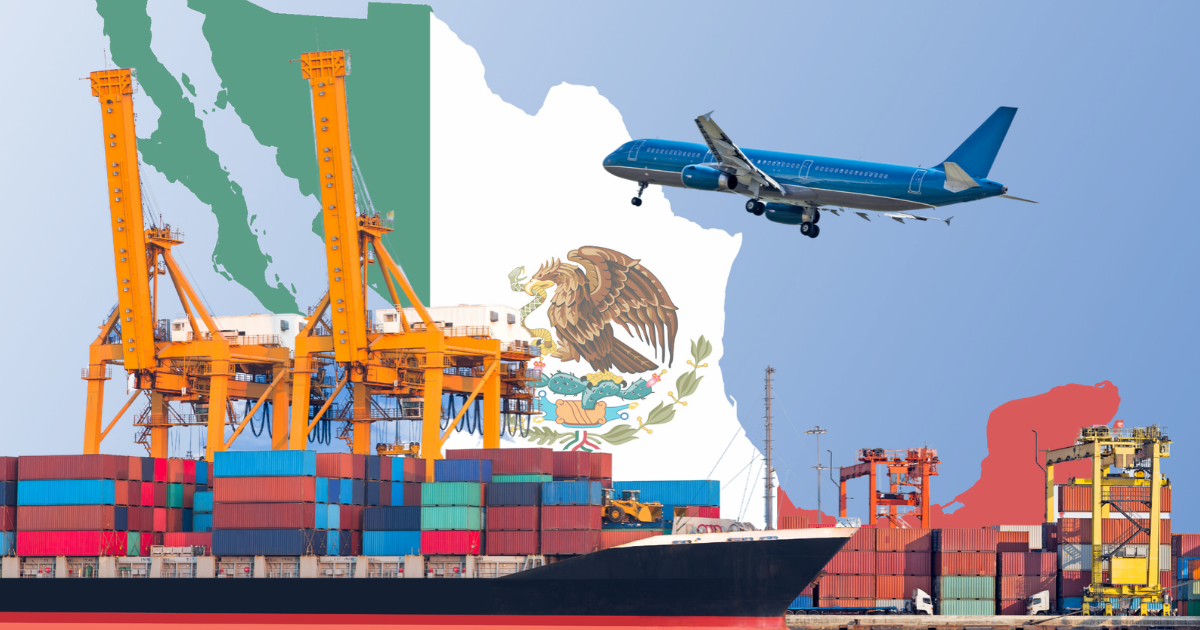
Mexican exports of goods increased by 37.9% year-over-year in September, while imports rose by 33.1%, according to the National Institute of Statistics and Geography (Inegi).
Both exports and imports increased across all major categories, a pattern last observed in January 2023.
Exports totaled US$77.7 billion, while imports reached US$78.4 billion, resulting in a trade deficit of US$606.1 million.
The main driver of export growth was non-automotive manufactured goods, particularly computer equipment.
Two factors have contributed to this trend. The first is the reconfiguration of global value chains, while the second is rising global demand driven by accelerated digital transformation, rapid advances in artificial intelligence, the expansion of data centers, and the continued adoption of remote work and distance learning.
Despite its growth in recent years, computer equipment manufacturing faces two major challenges: low domestic value added and the risk of production shifting to other manufacturing centers. However, this trend also presents an opportunity for Mexico to strengthen its value chains, both upstream and downstream.
In September 2026, manufactured goods exports totaled US$72.7 billion, representing a 39.0% year-over-year increase.
The largest increases were recorded in exports of electrical and electronic equipment and devices (94.7%), followed by mining and metallurgical products (15.5%), machinery and specialized equipment for various industries (14.7%), plastic and rubber products (12.9%), and automotive products (5.7%).
Meanwhile, oil exports totaled US$1.8 billion, comprising US$1.2 billion in crude oil sales and US$516 million in other petroleum products.
Crude oil export volumes averaged 466,000 barrels per day, up from 351,000 barrels per day in August.
Agricultural and fishery exports totaled US$1.2 billion, representing a 4.6% year-over-year increase.
From January through September 2026, total exports reached US$627.1 billion, representing annual growth of 30.4%.
On the import side, consumer goods totaled US$9.8 billion in September, an annual increase of 11.4%. This reflected growth of 6.3% in non-petroleum consumer goods imports and 40.9% in petroleum-based consumer goods imports, including gasoline, butane, and propane.
Additionally, imports of intermediate goods reached US$63.1 billion, up 38.8% from September 2025.
Imports of capital goods totaled US$5.4 billion, marking an annual increase of 18.7%.
From January through September 2026, cumulative imports reached US$617.94 billion, 27.5% higher than in the same period of 2025.