Production of the Honda Prologue to End This Year
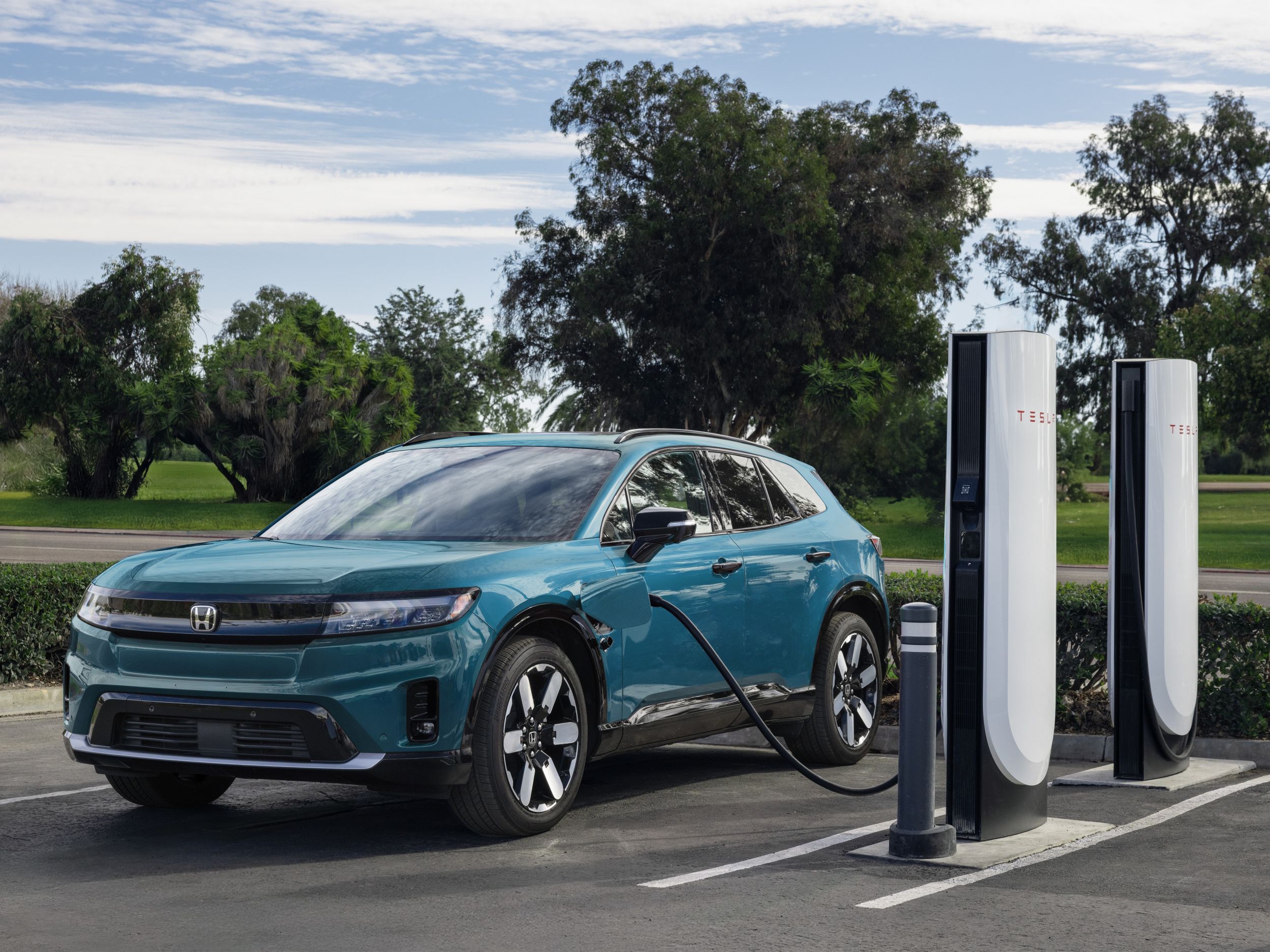
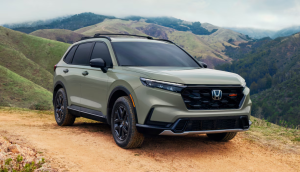
American Honda Motor has informed its U.S. dealerships that it will discontinue sales of the Honda Prologue at the end of this year, once inventory of the 2026 model year of the all-electric crossover is sold out, according to the industry website CarBuzz.
“Honda will stop selling the Prologue by the end of this year, once the 2026 model units are sold out. Owners will continue to receive full support through our dealer network, including service, parts, and warranty coverage,” said a spokesperson for Honda’s U.S. division in confirming the report.
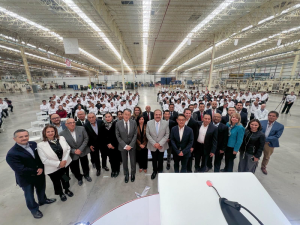
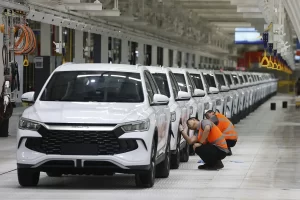
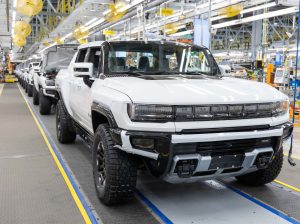
The decision will directly impact production volumes at General Motors’ (GM) assembly plant in Ramos Arizpe, Coahuila, where the model is manufactured alongside the zero-emission versions of the Chevrolet Blazer and Equinox, as well as the Cadillac Optiq, with which it shares architecture and components.
Demand for battery electric vehicles (BEVs) has dropped dramatically in the neighboring country following the cancellation of tax incentives for purchasing these types of vehicles.
As a result, operations at the manufacturing facility in the northern state have been severely affected, to the point that it has been operating on a single shift since the beginning of the year.
The Honda Prologue hit the U.S. market in early 2024 and has since enjoyed moderate success, with just over 33,000 units sold for the remainder of the year and more than 39,000 vehicles delivered in 2025, its first full year of sales.
In the first half of the year, Honda dealerships in the U.S. sold just 8,400 units, a drop of -48.5% compared to the same period last year.
According to official data, between 2024 and 2025, the Ramos Arizpe plant produced 79,843 Honda Prologues, while production in the first half of 2026 totaled 8,509 units, of which 7,999 were exported to the United States.
In other words, 91% of the total production of this model was destined for the neighboring country.
By discontinuing the Prologue, Honda is removing from its showrooms the only zero-emission model it offered to U.S. consumers, following last year’s withdrawal from that market of the Acura ZDX—which was also based on the Ultium architecture and produced by GM in Spring Hill, Tennessee.
In addition, earlier this year the Japanese automaker canceled the launch of three electric vehicles—two from its main brand and one for its luxury division, Acura—as well as a fourth model that was being developed in partnership with Sony, all of which were slated for production at a plant in Ohio.
Honda estimated that the costs associated with this decision would total more than 15,800 million dollars (mdd), including the two years spent on renovations at that manufacturing facility.