Quintana Roo worried by repercussions of customs reform
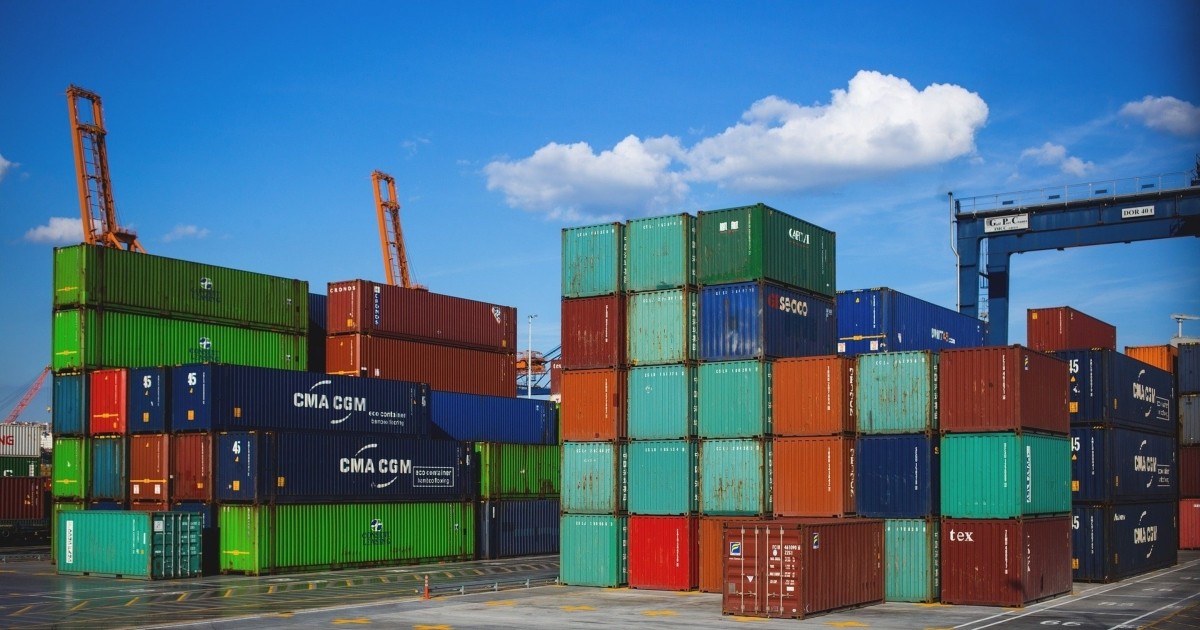
Quintana Roo imports approximately 60% of the US$23 billion worth of goods it consumes annually. However, the state could face higher prices, shipment delays, and negative impacts on small businesses following the customs reform scheduled to take effect in January 2027.
According to Sergio León Cervantes, vice president of the Mexican Council for Foreign Trade, Investment, and Technology (Comce) in the Southeast, the state imports alcoholic and non-alcoholic beverages, food, textiles, footwear, home furnishings, and construction materials, meaning that changes in foreign trade regulations could have a direct impact on its economy.
The reform introduces stricter oversight by the Tax Administration Service (SAT) and Customs authorities to verify the declared value of imported goods and the expenses incurred abroad to bring them into Mexico. Undervaluation could raise concerns: when a product is imported at a significantly lower price than comparable goods, it may be subject to review, precautionary seizure, or detention based on discrepancies in its declared value.
Additionally, the 20% rule establishes different guarantee requirements depending on price discrepancies. The reform also introduces new obligations for importers and customs brokers, requiring them to document their transactions, while penalties can range from 50% to 100% of the commercial value in certain cases, including fuel-related offenses.
León Cervantes stressed that purchasing goods at low prices does not necessarily constitute fraud, as purchasing power, supplier conditions, and order volumes can all influence prices. However, he warned that the lack of clear criteria could leave assessments subject to individual interpretation.
He acknowledged the potential benefits of combating undervaluation and tax evasion, promoting fairer competition for domestic products, increasing tax revenue without raising taxes, and curbing smuggling and fraudulent business practices.
Nevertheless, he warned of potential negative consequences, including higher import costs and consumer prices amid an economic slowdown, increased bureaucracy, longer customs clearance times, disruptions to manufacturing and tourism supply chains, and reduced competitiveness compared with other countries. He also raised concerns about potential arbitrary decisions and corruption.
He noted that Mexico has 5.5 million registered businesses, including more than 6,500 IMMEX-certified companies and 5,200 manufacturing firms. Of these, 95.5% are vulnerable microbusinesses that depend on imports and have limited liquidity.
“Delaying the release of goods means tying up capital, which primarily hurts small businesses and creates uncertainty,” he said.
“We cannot combat illegality by sacrificing competitiveness,” he added, calling for the formation of a business coalition to advocate for clear rules and ensure that a measure intended to have a positive impact does not instead increase the cost of living or harm key sectors such as manufacturing, agriculture, livestock, fishing, and tourism.