UAS Detects Structural Risk in Terminal 2 at the AICM
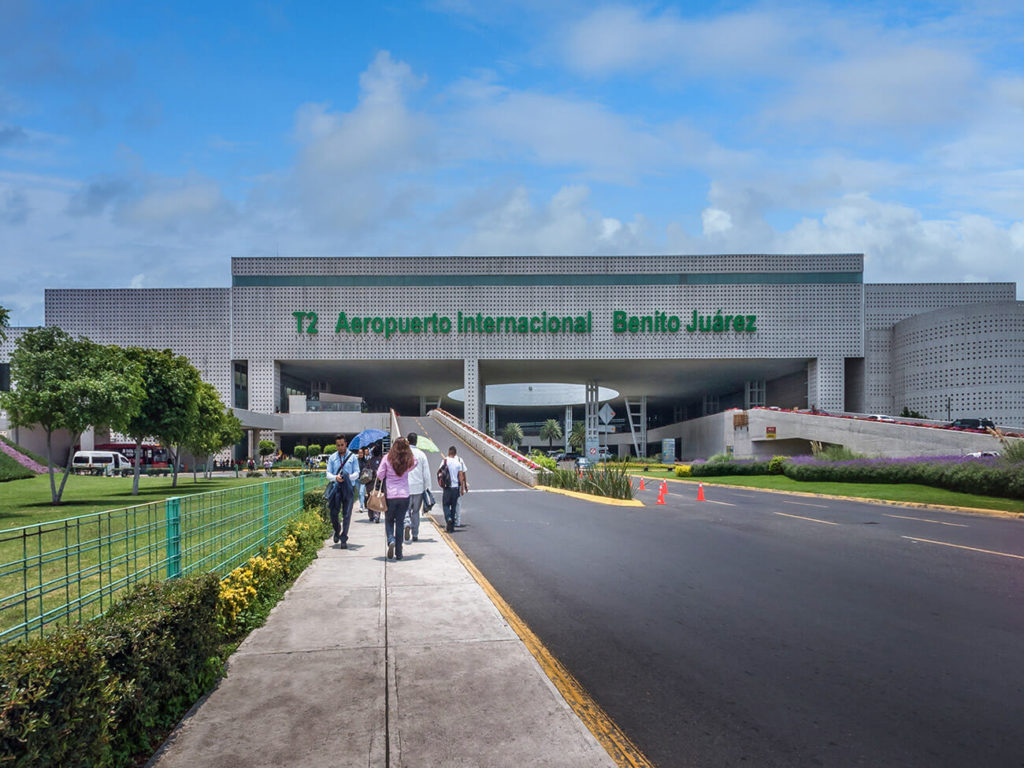
Jesus Guadalupe Monjardín Quevedo, a professor and researcher at the Faculty of Earth and Space Sciences at the Autonomous University of Sinaloa (UAS), has discovered through his research that Terminal 2 of Mexico City International Airport (AICM) is at a 76% risk of structural failure.
For this analysis, an Interferometric Synthetic Aperture Radar (InSAR) and artificial intelligence were used. This tool calculated the distance between the equipped satellites and the ground with millimeter precision without the need to physically visit the site being evaluated.
The results indicated a risk in terms of service limits, which could affect users’ perception of comfort and safety or highlight the need to examine potential future failures. Although this does not imply an imminent risk of collapse, it is necessary and urgent to conduct direct on-site evaluations and install sensors to prevent accidents.
The article published in the scientific journal *Results in Engineering* reported a detected risk of 76% for T2, which was directly associated with the maintenance carried out on the building in 2023, as indicated by the results. The results also noted that T1 is in optimal condition and shows no signs of elevated risk.
Monjardin Quevedo emphasized that artificial intelligence was used to classify areas with similar risk or movement, thereby allowing for an evaluation of the site’s performance relative to others—a necessary factor in determining structural risk.
This tool was also used to develop a projection for 2030, a year in which, according to the forecast, structural risk is expected to increase. Therefore, it is recommended to assess the situation directly on-site through a visual inspection to identify the causes.