Tariffs are to protect 350,000 jobs: Ebrard
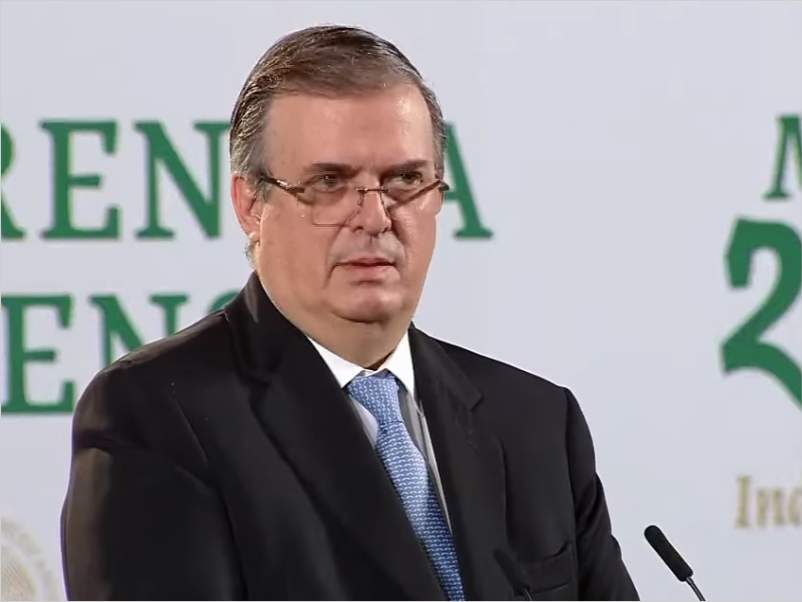
Tariffs on Asian products are intended to protect domestic employment and strengthen local industry, said Economy Secretary Marcelo Ebrard, according to information from Quadratin Mexico.
According to the official, the measures are not directed against any particular country, but rather respond to the need to reduce dependence on foreign markets in sectors where Mexico has sufficient productive capacity.
This strategy, he explained, seeks to prevent the loss of around 350,000 jobs, particularly in strategic branches of domestic industry.
During his participation in the morning conference, Ebrard explained that tariffs already existed on most products and that what was done was a selective adjustment, taking care to ensure that the impact on inflation was minimal.
According to estimates by the Ministry of Economy, the effect on consumer prices would be close to 0.2%, since many imported products have wide margins derived from inventories, subsidies, or tax returns in their countries of origin.
The Minister of Economy pointed out that allowing goods to enter below their reference price creates unfair competition that puts domestic industry at risk.
He warned that if this measure is not taken, Mexico could continue to lose jobs, as has happened in recent years, when there was a significant reduction in manufacturing sectors.
He said that among the sectors that will benefit from the tariff adjustments are footwear, textiles, clothing, steel, and automotive, which account for approximately one-third of the country's manufacturing employment.
In particular, he warned about the case of steel, where there is international overproduction of up to 60%, which allows this material to be sold in the Mexican market at prices that the domestic industry cannot match.
Ebrard stressed that the scope of the adjustments is limited, as they only impact around 8% of total imports, meaning that Mexico remains one of the most open economies in the world.
He assured that this is a preventive and targeted measure to avoid the dismantling of industries that have required decades of investment.
He explained that this policy complements Plan Mexico and the Economic Development Poles for Well-being, which seek to attract new investment and generate jobs, while the tariff adjustments aim to preserve existing sources of employment.
“If we don't act now, in a year's time we'll be wondering how to recover those jobs that will already have been lost,” he said.