Scientists Call for Removing Inactive Satellites to Curb Space Debris
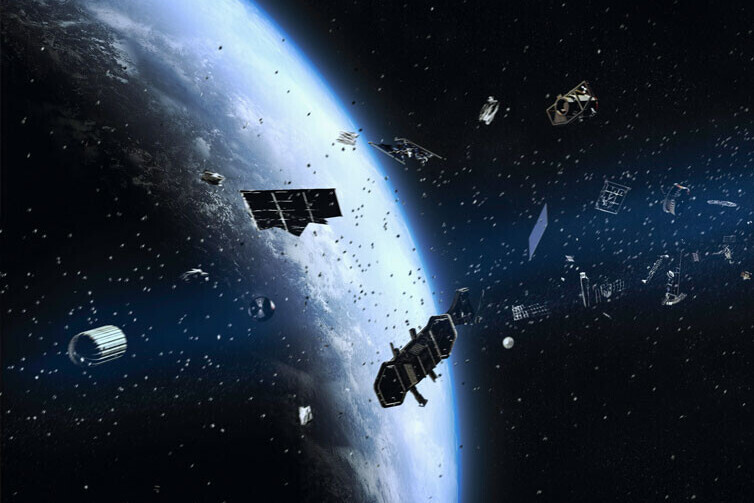
The rapid growth of man-made objects in Earth’s orbit is raising serious concerns among scientists, who warn that the risk of collisions between operational satellites and orbital debris is increasing. To address this problem, experts are urging stronger implementation of so-called graveyard orbits to relocate satellites that have reached the end of their service life.
When a satellite is no longer functional, there are two main disposal options: a controlled reentry into the atmosphere, where it burns up safely, or a transfer to a higher, stable orbit where it will not interfere with active spacecraft. These higher zones, known as graveyard or disposal orbits, are specifically designated to store inactive satellites and reduce congestion in critical orbital paths.
Heavily used orbits, particularly those supporting communications, navigation, and Earth observation systems, are becoming increasingly crowded. Objects in these regions travel at extremely high speeds, meaning that even small fragments can cause severe damage upon impact. A single collision can generate thousands of new debris pieces, significantly increasing the likelihood of further accidents.
This chain-reaction scenario is one of the greatest long-term threats to space operations, as it could eventually make certain orbital zones unsafe or unusable for future missions. Such conditions would affect not only commercial satellite operators but also scientific research, weather monitoring, and global connectivity services.
Although international guidelines exist to promote responsible satellite disposal, compliance is not always mandatory or consistently enforced. Scientists argue that stronger regulations are needed, including requiring end-of-life disposal plans during the design phase of spacecraft and improving coordination among space-faring nations and private companies.
In addition to graveyard orbits, new technologies are being explored to actively remove debris, such as robotic capture systems, nets, and propulsion devices designed to push objects into reentry trajectories. However, many of these solutions are still under development and not yet widely deployed.
Experts emphasize that preventing new debris and responsibly managing inactive satellites are essential steps to protect the orbital environment and ensure that space remains accessible and safe for future technological and scientific progress.