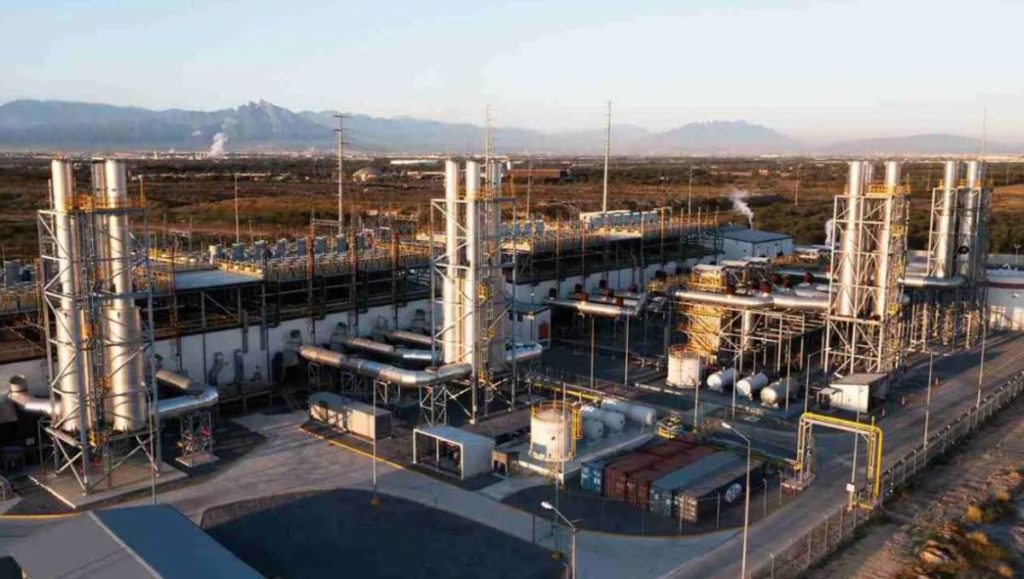
Mexico is affected by the global situation
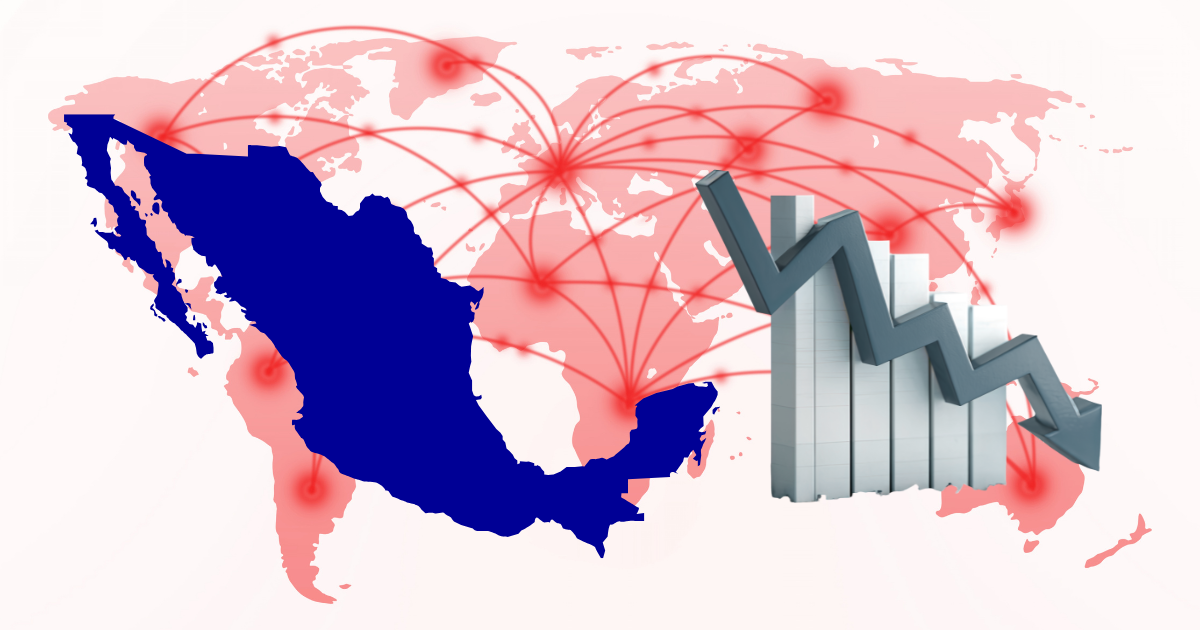
The Mexican economy ended the second quarter of 2026 with mixed signals; while aggregate supply and demand show some improvement, international oil prices are putting pressure on inflation and the financial markets, while manufacturing and industrial employment are weakening, according to a recent economic analysis by CIAL Insights, a division of CIAL Dun & Bradstreet, a leading company in advanced data analysis.
Aggregate supply grew 5.7% year-over-year in the second quarter, marking its best performance since 2022, while GDP rose 1.9% year-over-year, and imports rebounded by 13.8%. On the demand side, private consumption rose to an annual rate of 2.1%, government consumption to 2.9%, and investment to 3.5%, with public investment posting strong growth of 14.7%. Exports also grew by 13.8%, pointing to a GDP growth rate of 1.3% for 2026.
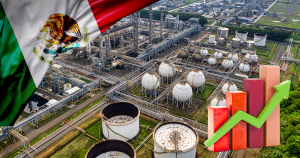
On the other hand, the rise in oil prices has added external pressure. The international environment is hampering Mexico, as higher interest rates in the United States are making external financing more difficult, thereby affecting public debt.
Manufacturing sales have weakened; between January and June, they fell to an annual rate of 1.3%, following four consecutive years of poor performance. The transportation equipment sector, which accounts for 32% of sales, declined by 6.9%, accompanied by declines in electrical equipment, plastics and rubber, and metal products. Although some sectors, such as petroleum derivatives and basic metals, showed increases, they were unable to offset the contraction in the industries with the greatest weight.
In addition, manufacturing employment is declining. In the first half of the year, it fell to an annual rate of 1.9%, marking a loss of 292,000 jobs since 2022. The transportation equipment sector fell by 4.7% and the plastics and rubber sector by 3.6%, while the computing, communications, and electronics segment increased by 4.4%, demonstrating that the contraction is not uniform but rather reflects a shift in the composition of industrial employment toward technology sectors.
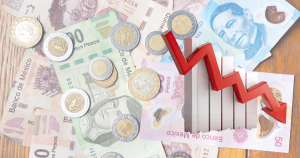
On the economic front, financial markets are facing additional pressures. The Fed has raised its interest rate to 4.00%, and expected inflation in the United States rose by 3.7%. In Mexico, the exchange rate closed at 17.24 pesos per dollar, down 1.62% for the week, with analysts forecasting a close of 17.80. The Mexican Stock Exchange is falling, reflecting global uncertainty and the impact of oil prices.