Nissan is awarded with Aguascalientes Low-Carbon Seal
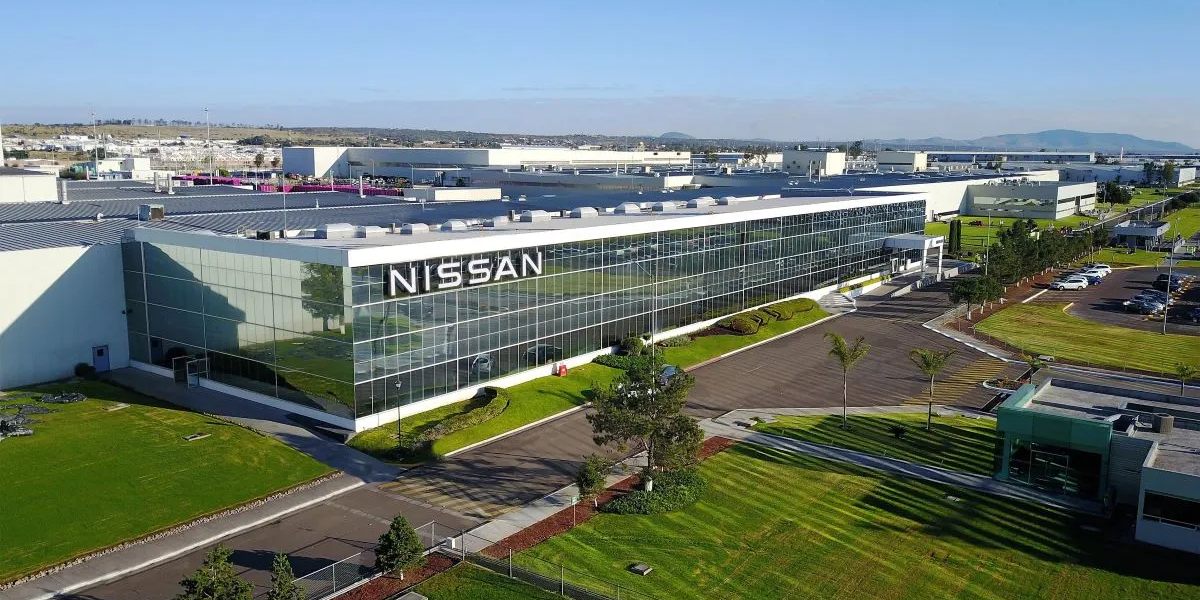
Nissan Mexicana has achieved a reduction of 1,463 metric tons of CO₂ through energy-efficiency and sustainability projects implemented in Aguascalientes, notably the installation of a solar farm at the Vehicle Distribution Center of its A2 plant.
As a result, the company was awarded the Aguascalientes Low-Carbon Seal, which is granted to companies and institutions that incorporate technologies and processes designed to reduce emissions by minimizing the environmental impact of their operations.
The photovoltaic project is part of Nissan's environmental strategy, which includes a manufacturing operation where more than 90% of the energy used currently comes from CO₂-free sources, according to company information.
The energy mix enables Nissan to produce more than 3.9 million vehicles in Mexico using carbon-emission-free energy.
The automaker in Aguascalientes is one of the country's main production facilities, so the adoption of renewable energy has a direct impact on industrial processes, the handling of finished vehicles, and operations associated with its manufacturing chain.
Nissa has implemented water and waste management measures within its industrial complexes, such as reusing more than 475,000 m³ of rainwater, thereby eliminating the need to send waste generated by its operations to municipal and state landfills.
These initiatives are part of the Nissan Green Program, a global strategy through which the company has been working to reduce emissions, use resources efficiently, promote the circular economy, and minimize the environmental impacts associated with its production processes.