Expectations Among Mexican Cattle Ranchers as the U.S. Reopens.
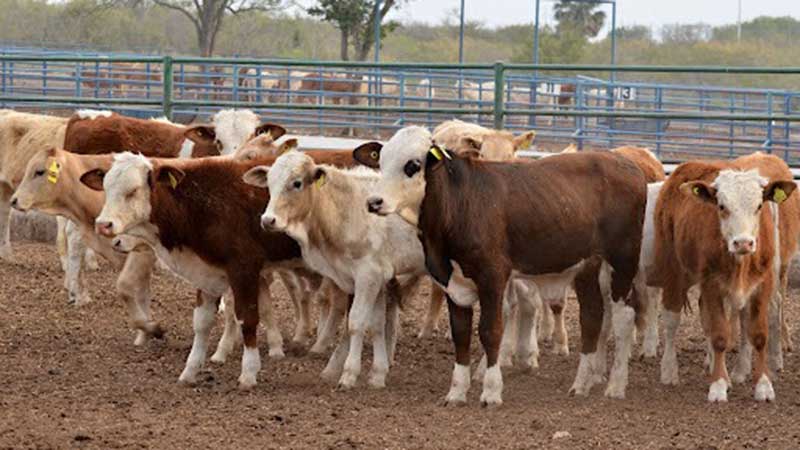
There are less than three weeks left before the U.S. border reopens to Mexican livestock, and Chihuahua—as Mexico’s leading exporter of cattle to the United States—is confident that this measure could mark the beginning of a recovery for the livestock sector, which was severely impacted by drought, trade restrictions, and the spread of the cattle borer.
Baja California, Baja California Sur, Sinaloa, and Sonora are recognized as the only Mexican states free of the corn borer, as authorities had previously reported 1,826 active cases of the pest in the country.
Alfredo Rodela, president of the Práxdis G. Guerrero Local Livestock Association, states with absolute certainty that producers, associations, and authorities are working to meet the health requirements demanded by our northern neighbor, just a few steps away from the expected reopening.
The head of the association stated that “Right now, we are hopeful that [...] the border here in Chihuahua will open for exports.” He also noted that they have been working with the relevant authorities—such as industry associations, the Union, the federal government, and the state government—and reported that coordination has been good.
Exports of Mexican livestock had been restricted after the first cases of the borer worm were detected in the country; however, despite attempts to resume trade for a time, exports had to be suspended again, which affected thousands of producers who typically depend on the U.S. market.
Rodela describes this conflict as “the worst drought” of the moment.
“We’ve already been dealing with extreme drought for several years. The cattle borer is on its way; they’re getting the better of us; they’re closing the border. Because of the drought, the cattle herd here in Chihuahua has been reduced by about 50%. They’re closing the border, and cattle prices are dropping to half their previous value. So, this is a very, very complicated situation,” he said.
Many livestock farmers found themselves having to keep animals—which would normally have already been exported—for a long time, in the hope that the border might reopen, thereby driving up feed and maintenance costs.
Rodela confirms the situation by sharing his perspective: “Some producers left the calves in the hope that the market would open up, and so we’re holding onto them. Normally, they were exported in the fall, at the beginning of winter, but last year they were kept through all of 2025.”