Jalisco Expects US$500 Million in Tech Investments
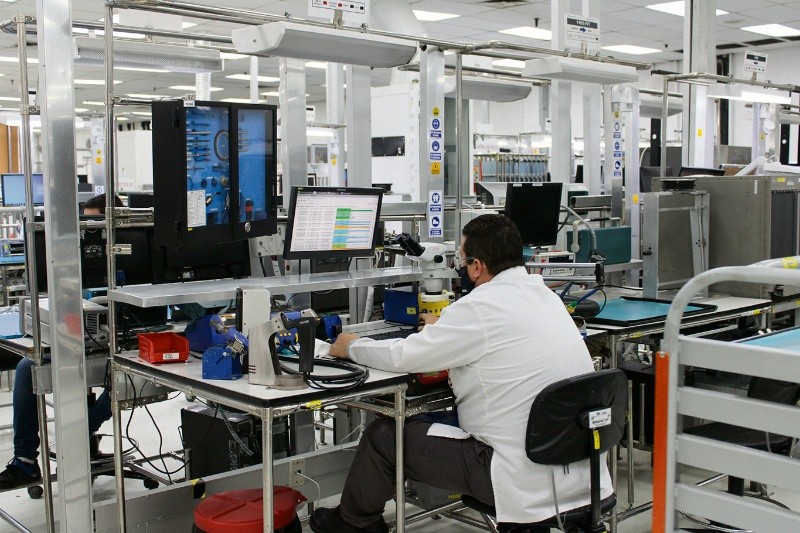
Jalisco’s technology industry expects to attract US$500 million in investment and generate approximately 8,000 to 10,000 jobs over the next year, driven by expansion plans among semiconductor and software development companies, according to Marco Estrella, president of the Western Regional Chapter of the National Chamber of the Electronics, Telecommunications, and Information Technology Industry (Canieti).
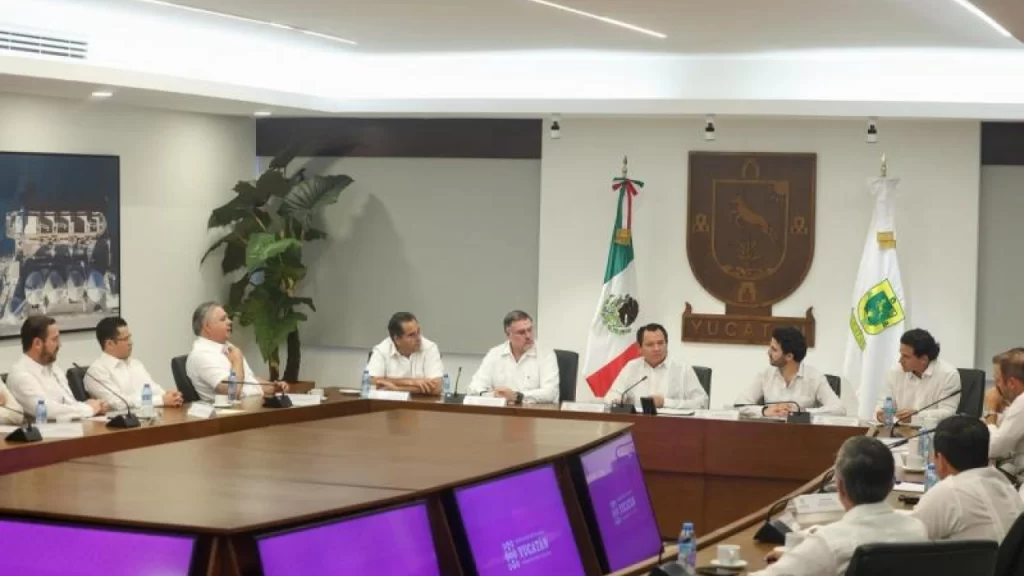
Following a visit to Silicon Valley, California, by representatives of Jalisco’s business community and government officials, Estrella Gómez noted that companies considering expanding their operations remain concerned about the availability of electricity, water, and skilled talent.
Regarding energy, Estrella said the sector needs reliable information on when additional power capacity will become available to support industrial growth. However, he emphasized that recent energy legislation reforms now allow for private investment and self-generation of electricity.
Regarding human capital, Estrella acknowledged that some companies have struggled to find workers with specific microcredentials.
“There are some very specific companies that have had a hard time finding certain microcredentials. What we’re doing is reaching out to them and asking what exactly they need, and then looking for a training institution that could offer a course—because we can no longer wait for them to modify a degree program—and we’re replacing that with microcredentials,” he said.
As part of this strategy, Canieti Occidente presented the results of its Highly Specialized Talent Training (TAE) program, developed in partnership with Jalisco’s Ministry of Innovation, Science, and Technology (SICyT) through the State Council for Science and Technology (Coecytjal).
Since its launch in 2020, the program has delivered more than 208 courses, providing over 5,100 training sessions and more than 6,900 hours of instruction, equivalent to approximately 188,900 person-hours of training.
Last year, more than 130 companies participated in the program, supported by 10 training organizations and 62 instructors. Women accounted for 40% of participants.
Canieti is also promoting a proposal to make dual education a requirement across all degree programs at the state’s technical colleges. The initiative is awaiting the signing of a government decree by Jalisco authorities.